Homes often shelter more than just their residents; hidden within walls, beneath floors, or tucked away in basements, unseen issues can lurk. One such unwelcome guest is sewage. It’s not only unsanitary but can also become a breeding ground for health hazards. Knowing where sewage might hide in your home is the first step toward safeguarding your living space.
Imagine walking through your home without realizing there’s a silent invader hiding just out of sight. The risks associated with hidden sewage aren’t something to ignore. From unpleasant smells to serious structural damage, undetected sewage can wreak havoc if left unresolved. By understanding the potential hiding spots, you can better protect your home and your health.
Basement and Crawl Spaces
Basements and crawl spaces are common landing zones for sewage, largely because they often house the plumbing systems that connect to the rest of the house. These areas can accumulate sewage due to blockages or leaks that go unnoticed for extended periods. Water naturally finds its way downwards, turning basements and crawl spaces into prime candidates for sewage accumulation, especially in homes with older plumbing systems.
Signs of sewage in these areas include:
– Dampness or moisture on the floors
– Unpleasant odors like rotting eggs or mildew
– Growth of mold or fungus on wall surfaces
– Cracks in concrete slabs or walls
To tackle potential sewage issues in these spaces, begin with regular inspections. Walk around your basement or crawl space with a flashlight, looking for any moisture or discoloration. If you detect an odor, note its location and severity—this can help identify areas that need more urgent attention. It’s also wise to ensure proper ventilation and dehumidification, as dry conditions help deter mold and mildew growth from sewage.
Scheduling a professional assessment annually is another effective method to catch any hidden problems before they escalate. Professionals have the equipment and expertise to spot issues you might miss, ensuring that your basement or crawl space remains a clean and safe environment.
Attic and Roof Spaces
You may not think of your attic as a place for sewage problems, but these areas can be surprising hosts. Faulty plumbing that runs through walls can lead to leaks, which often travel upwards through capillary action. The leakage might accumulate in hidden corners of the attic or even the roof space, especially in homes with poor insulation or roofing issues.
Recognizing hidden sewage in attics involves looking for:
– Wet or discolored patches on attic floors or ceilings
– Evidence of water damage on roof support beams
– A peculiar, musty odor in the attic area
Practical steps to maintain clean attic spaces start with regular inspections, similar to your basement. Use a moisture meter to check for wet spots that could indicate a leak. Pay attention to any recent roof work that might have disrupted seals around plumbing vents. Keep an eye on signs of pests like insects or rodents, as they might be attracted to damp conditions caused by leaks.
By keeping these potential sources of trouble in check, you’ll ensure that your attic and roof spaces remain free from hidden sewage hazards.
Inside Walls
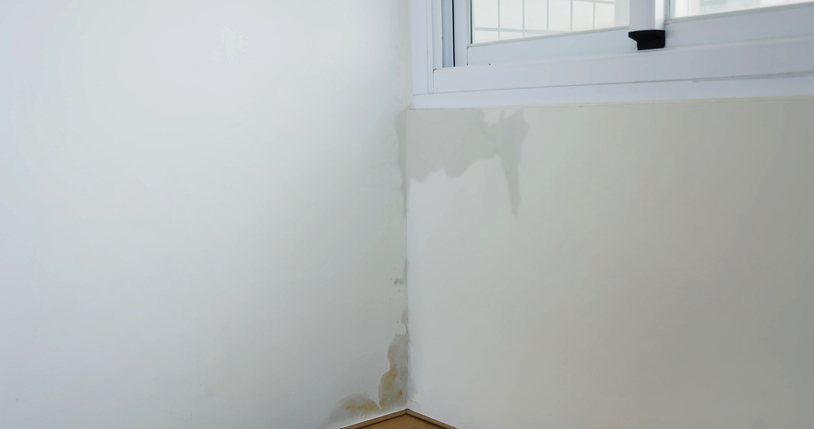
Hidden within the walls, sewage can create serious problems without immediate signs. Plumbing systems inside walls can spring leaks, leading to hidden sewage issues that are tricky to detect. Over time, these leaks can cause structural damage or even contribute to dangerous mold growth, making it important to spot them early.
Indicators of sewage problems inside walls include:
– Sudden, unexplained odors
– Discoloration or damp spots on walls
– Peeling paint or wallpaper
– Strange bubbling or bulging areas on the wall surface
Addressing sewage problems hidden within walls requires some detective work. Start by using your nose; any unusual smell could be a clue. If you notice damp patches or wall discoloration, take note of the locations. It might be necessary to remove a small section of the wall to examine the plumbing. Avoid trying to DIY plumbing repairs, as it’s safer and more effective to call professionals who can precisely locate and fix leaks without causing additional damage.
Underneath Flooring
Sewage can also find its way beneath flooring, creating damage that may not be immediately visible. Whether it’s tile, wood, or carpet, every flooring type is susceptible to issues if sewage seeps beneath. This often happens when there’s a leak in the flooring’s vicinity, such as a bathroom or kitchen plumbing problem, where water is more frequently used.
Signs to watch for include:
– Warped or lifted floorboards
– Persistent dampness when floors should be dry
– Mold growth along floor edges or corners
– Flooring discoloration or unusual stains
To inspect under the flooring, you might need to carefully lift a section to look beneath, as long as you don’t damage the material. Noticing signs of damage is a good reason to request a professional inspection. Using advanced tools, professionals can pinpoint the source of leaks and water accumulation without unnecessary disruption.
Outdoors and Landscaping Areas
Outside your home, sewage can create messy problems if not properly addressed. Backups can affect your lawns and gardens, compromising the beauty and health of your outdoor spaces. Issues often arise from blockages in external drains or septic systems, which can overflow into yard areas.
Visible signs to look for include:
– Wet patches or unusually lush vegetation
– Foul odors emanating from the ground or drains
– Gurgling sounds from outdoor drains during rainfall
To prevent sewage problems outdoors, regularly check areas around your house where water tends to pool. Ensure that drains and gutters are clear of debris to avoid blockages leading to overflows. Implementing regular maintenance, especially during heavy rain seasons, can protect your landscape from unexpected sewage surprises.
Protect Your Home from Hidden Sewage
Safeguarding your home from hidden sewage involves understanding and monitoring these potential problem areas. Regular inspections, combined with professional assessments, can prevent sewage incidents before they turn into larger, costlier problems. Awareness and proactive care are key to maintaining a clean, healthy living environment free from the unpleasantness that hidden sewage can bring.
Remember, the comfort and safety of your home depend on keeping it free from hidden issues like sewage. By staying vigilant and addressing concerns as they arise, you can enjoy your home confidently, knowing you’re protecting it from unforeseen sewage problems with professional support when needed.
Protecting your home from hidden sewage challenges is important for keeping things clean and safe. If you’re dealing with damage and unsure what steps to take next, take a look at your options for restoration in Vancouver. The team at DryWorx Water Damage Restoration is here to help get your home back to normal as quickly and carefully as possible.