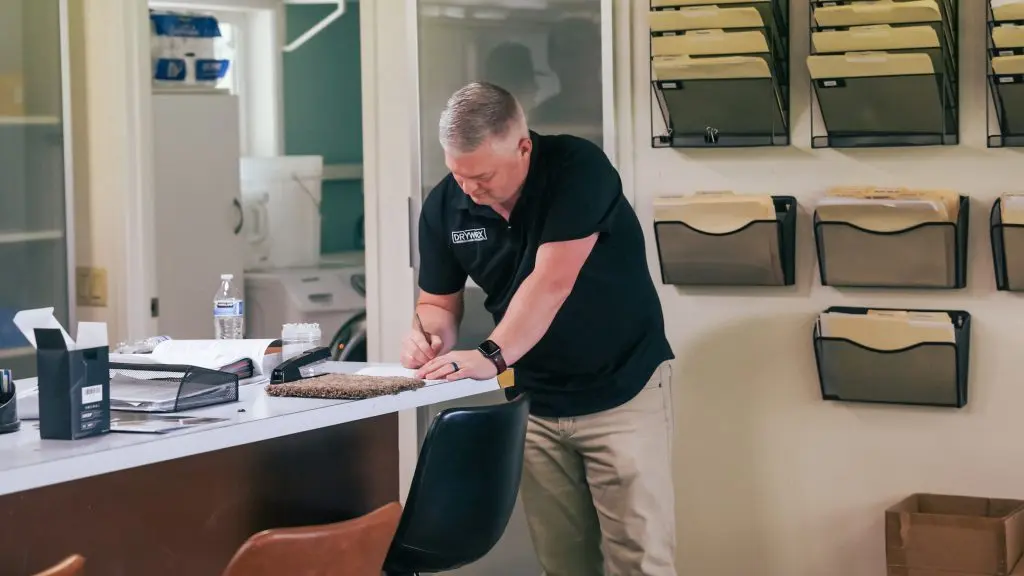
Mold Inspection Services
- 24/7 live calls Available
- On our way in 45 minutes or less
- We bill directly to insurance
- Locally owned and operated
Professional Mold Inspection Services
Mold growth is more than just an unsightly problem—it can threaten both your property and the health of everyone inside. When left unchecked, mold can spread quickly through walls, ceilings, crawl spaces, and HVAC systems, causing structural damage and poor indoor air quality. If you’ve noticed musty odors, visible discoloration, or recent water damage, it’s critical to act fast. DryWorx Water Damage Restoration is the company you can trust for professional mold inspection services.
We conduct a comprehensive visual inspection and, if necessary, perform mold testing to create a clear, strategic plan to eliminate mold from your property. Our goal is to identify the source, stop the spread, and guide you toward safe and effective remediation.
Request a Quote
Call now for 24/7 emergency response or request a free inspection and estimate to begin restoring your property today.
Our mold inspection process is as follows:
1. Consultation and Water History Review:
We start with what you have noticed — musty odors, visible discoloration, recent leaks or flooding, or symptoms that appear only inside the property. Mold almost always traces back to a moisture source, so understanding the building's water history tells us where to look before we start looking.
2. Safety and Containment Assessment:
Before a detailed inspection begins, we assess whether disturbing suspected growth risks releasing spores into the rest of the property. Our technicians wear protective gear, and where spore release is a concern we recommend containment first, so the inspection itself does not spread the problem.
3. Comprehensive Visual Inspection:
We examine the areas mold favors: bathrooms, basements, crawl spaces, attics, behind and beneath appliances, around windows and exterior walls, and throughout HVAC systems and ductwork. Visible growth is photographed and its extent mapped.
4. Moisture Mapping and Thermal Imaging:
Mold needs water, so we find the water. Moisture meters and thermal imaging cameras reveal damp drywall, wet subfloors, and active leaks inside wall cavities without cutting anything open — including moisture that a visual inspection alone would never catch.
5. Mold Testing and Sampling (When Warranted):
Where growth is suspected but hidden, where the species matters for health reasons, or where you need documentation for an insurance claim or a property sale, we collect air and surface samples for analysis by an independent laboratory.
6. Findings, Report and Remediation Plan:
You receive a clear account of what we found, where the moisture is coming from, and how far the growth extends, together with a written remediation scope if work is needed. If we find no mold, we tell you that plainly.
What Does the Mold Inspection Process Include?
Not all mold inspections are the same. Choosing a qualified restoration provider like DryWorx Water Damage Restoration means the moisture source behind the mold gets identified — not just the growth you can see. Our IICRC-accredited business employs WRT-certified technicians holding additional AMRT (Applied Microbial Remediation Technician), ASD, and TCST certifications, so the team that assesses your property is qualified to remediate whatever it finds.
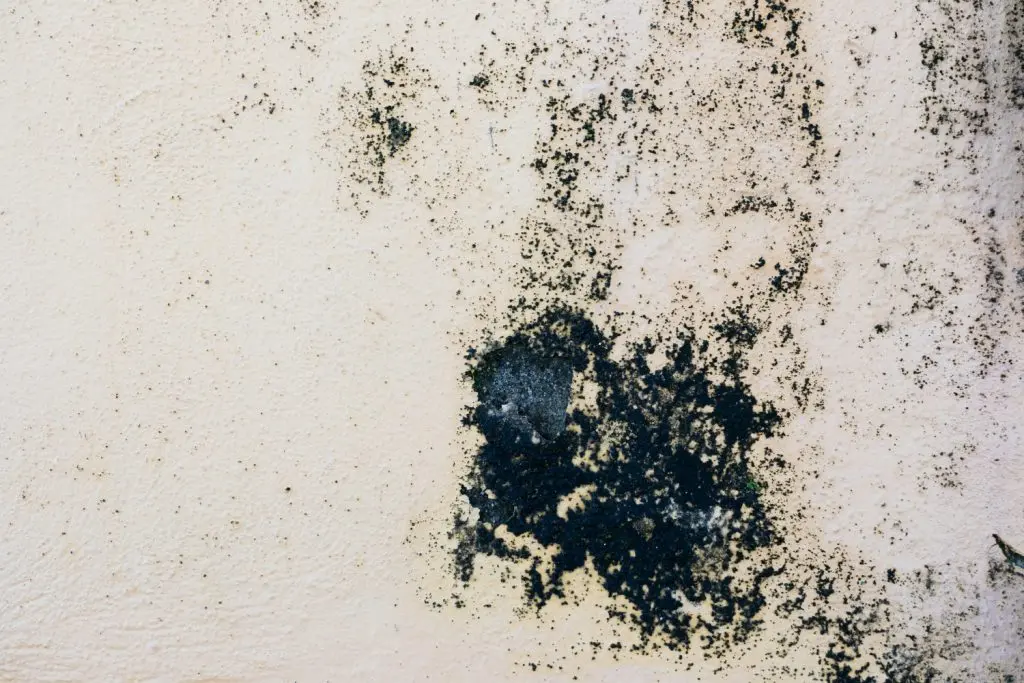
Is a Mold Inspection the Same as Mold Testing?
Mold inspection and mold testing are closely related. But they are not the same service.
Mold Inspection is the broader assessment. We examine the property visually, map moisture using meters and thermal imaging, trace the water source feeding the growth, and establish how far the problem extends. An inspection answers where the mold is, why it is there, and what removing it will involve.
Mold Testing is the narrower step of collecting air or surface samples and sending them to an independent laboratory to identify what is present and in what concentration. Testing is useful when growth is suspected but not visible, when the species matters for health reasons, or when you need documentation for an insurance claim or a property sale. Many inspections answer the question without it, and we recommend sampling only when the result will change what happens next.
Why Early Mold Inspection Is Critical
Mold does not stabilize on its own. As long as a moisture source remains, it keeps spreading through drywall, insulation, framing, and HVAC ductwork — and the longer it goes unidentified, the larger the eventual remediation. That is why an early professional assessment from a restoration contractor like DryWorx Water Damage Restoration matters.
Here’s why an early inspection matters:
- Mold Establishes Quickly: In damp conditions, mold can begin developing within 24–48 hours. An inspection soon after a leak or flood catches growth while it is still contained to one area.
- Most of the Problem Is Hidden: Visible mold on a wall is often the smallest part of the picture. Moisture mapping and thermal imaging find growth inside wall cavities, beneath flooring, and above ceilings that a visual check alone will miss.
- Protecting Indoor Air Quality: Spores travel through HVAC systems and affect the whole property, not only the room where the mold is growing. Identifying the source early limits exposure for everyone inside, particularly anyone with asthma, allergies, or a compromised immune system.
- Containing Remediation Costs: Remediation scope is driven by how far the mold has spread. Finding it early often means treating one room rather than several, and reduces the chance that framing or subfloor has to be removed and rebuilt.
- Supporting Insurance and Property Transactions: A documented inspection — moisture readings, photographs, and laboratory results where applicable — gives you evidence for a claim, a seller disclosure, or a contractor’s scope of work.
Top Mold Inspection Company
When you suspect mold, the useful first step is finding out what is actually there and what is feeding it. DryWorx Water Damage Restoration provides professional mold inspection across Portland, Salem, Vancouver, and Ridgefield, with 24/7 live calls and arrival within 45 minutes for water emergencies that put your property at risk of mold growth.
Our certified technicians follow a documented inspection process — visual assessment, moisture mapping, thermal imaging, and laboratory sampling where it is warranted — and give you the findings in writing. As a BBB-accredited company and a Sedgwick Award winner for outstanding CAT response, we are recognized for our professionalism and rapid disaster response. We also offer senior and military discounts and work directly for our customers—not the insurance company. If you have noticed musty odors, discoloration, or recent water damage, call us today to schedule an inspection.
FAQs
How much does a mold inspection cost?
Cost depends on the size of the property, how many areas need to be assessed, and whether laboratory testing is required. A visual inspection with moisture mapping and thermal imaging is priced differently from one that includes air and surface sampling, because samples carry independent laboratory fees.
Call the office for your area and we will explain what applies to your property before anything is scheduled, rather than quoting a figure that changes once we arrive.
How long does a mold inspection take?
Most residential mold inspections take between one and three hours, depending on the size of the property and how many areas need moisture mapping. Crawl spaces, attics, and multi-story buildings take longer, and a property with an active leak may need more time to trace the source.
If we collect samples for laboratory analysis, results come back separately from the visual findings, and we walk you through the report once the laboratory returns them.
Do I need a mold inspection if I can already see mold?
Often, yes. Visible mold tells you there is a moisture problem, but not how far it extends or where the water is coming from. Removing what you can see without addressing the source usually means it returns within months.
An inspection maps the full extent of the growth behind walls and beneath flooring, and identifies the leak, condensation, or drainage issue causing it, so the remediation scope is right the first time. If the affected area is genuinely small and the cause is obvious, we will tell you that rather than sell you an assessment you do not need.
What happens if mold is found during the inspection?
You receive a written account of what was found, where the moisture is coming from, and how far the growth extends, along with a recommended remediation scope.
Because DryWorx is an IICRC-accredited firm with AMRT-certified technicians, the same team can carry out the remediation itself: containment, removal of affected materials, antimicrobial treatment, and drying, followed by verification that the area is clear. You are under no obligation to use us for that work. The inspection findings are yours either way, and you are free to take them to another contractor.