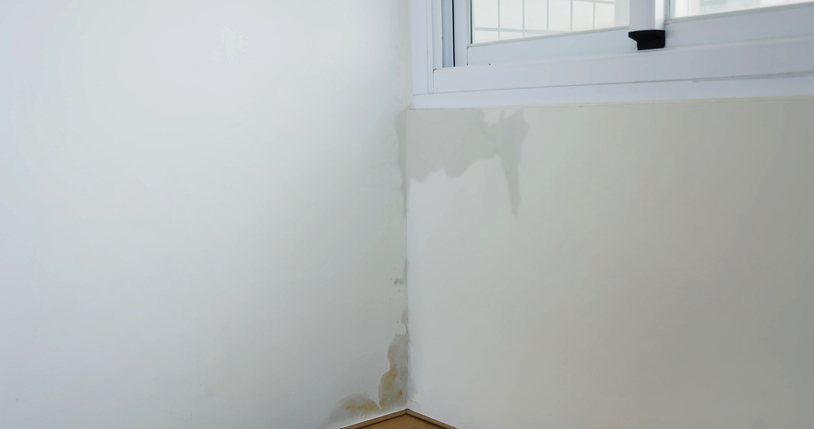
Late summer storms in Vancouver, Washington can come fast and heavy. When the rain pours down or hangs around longer than expected, the water surrounding your home can start to sneak into places it shouldn’t. Your foundation takes the biggest hit. It’s your home’s base, and when it’s in trouble, everything above it risks damage too. From shifting soil to small cracks that lead to big leaks, water damage under your house can go unnoticed until it becomes a real problem.
That’s why thinking ahead matters. Flooding doesn’t always look like a river running through your yard. Sometimes it’s slow. Silent. Hidden. But that’s exactly when it does the most harm. Preparing now helps you avoid expensive repairs, long-term moisture problems, and the stress that comes with them. Here are ways to protect your home’s foundation before summer ends and the water starts to rise.
Understanding How Flood Damage Occurs
Flood damage starts with too much water and nowhere for it to go. When your yard doesn’t drain properly or your home isn’t equipped to handle extra moisture, all that water starts pooling around the foundation. Once that happens, gravity pulls the water into small openings or cracks around the base of your house.
Here are some of the most common ways damage gets worse over time:
– Poor soil drainage: If the ground around your home holds water like a sponge, it stays saturated after storms and presses against your foundation. This adds pressure that can wear it down or cause new cracks.
– Clogged or missing gutters: When rainwater isn’t moved away from the house, it falls right next to the foundation and builds up.
– Uneven grading: The soil around your house should slope away from it. If it slopes the wrong direction, water moves toward your home instead.
– Overwatering or water features: Extra water from sprinkler systems or nearby landscaping features can keep soil saturated, especially when combined with poor drainage.
Once water finds its way into your foundation, it doesn’t just go away. Even a minor leak can cause major issues like weakened walls, mold growth, or warped flooring. If the water reaches crawl spaces or your basement, it can create conditions that lead to long-term damage.
In some cases around Vancouver, homeowners didn’t realize there was a problem until they lifted a carpet or noticed a strange smell. By that point, the damage had taken hold. That’s why understanding why and how this type of water damage happens is the first important step in stopping it.
Key Prevention Techniques
Here’s the good news—many of the steps that help prevent flood damage are simple and effective. You don’t need to do a total overhaul, just make sure you’re encouraging water to stay away from your home’s foundation.
Try these prevention strategies:
1. Check your grading
– Make sure the land around your home slopes gently away. Just a few inches of soil can change how water flows during a storm.
– Fill in low areas where water tends to gather near the foundation.
2. Gutters and downspouts
– Clean out leaves, dirt, or anything that blocks water from flowing.
– Downspouts should extend at least five feet away from your home to keep water from collecting near the base.
– Pay attention during rain to make sure the system isn’t overflowing or leaking.
3. Install a sump pump
– For homes with basements or low areas, sump pumps help by moving water out before it pools.
– Make sure yours has a backup battery in case the power goes out during a storm.
4. Waterproof your basement
– Use waterproof coatings on basement walls to help keep moisture out.
– Interior or exterior drainage systems work well for homes that see water on a regular basis.
– Seal cracks or holes around pipes that pass through the foundation.
These aren’t flashy upgrades, but they’re the kind of durable improvements that save you money and stress. Many problems can be spotted and fixed before they turn into big repairs. Even small fixes make a huge difference during light but frequent rainfall. Prevention might take effort, but damage control often costs a lot more.
Regular Maintenance and Inspections
Staying on top of routine maintenance gives you the best chance of keeping your foundation dry and trouble-free. Start by keeping an eye out for early signs—small cracks in the walls, water spots, and musty smells. The earlier you catch them, the simpler the fix.
Inspect your gutters, downspouts, and any drainage piping throughout the season, especially after big storms. Organic debris like leaves, twigs, or moss can block water flow, and that buildup can happen quickly in the Pacific Northwest’s wet climate.
Monitoring groundwater levels near your home is useful too. If you notice overly soft or shifting ground near the foundation, it might signal poor drainage or deep saturation. These clues often give you a heads-up before major issues appear inside.
It’s worth bringing in a professional inspector at least once a year, especially if your home has a history of water issues. Experts can catch subtle problems early and make informed recommendations for waterproofing or drainage improvements. Think of it like a routine home checkup to help you avoid more serious emergencies.
Professional Help and Residential Water Damage Restoration
Even the best prevention plan can fall short during intense weather or if an issue goes unnoticed for too long. That’s when it’s time to bring in professionals who know how to fix the damage and keep it from happening again.
If you see standing water around your foundation that won’t go away, or if there are visible cracks that keep growing, don’t wait. Homeowners are often tempted to tackle fixes on their own, but water problems can be more widespread than they look from the surface.
Working with trained specialists means you’ll get a full assessment, including areas you might not think to check. They can handle immediate concerns and suggest permanent fixes like drainage systems or foundation sealing. The goal is not just to clean up water but to help you prevent the same thing from happening again.
DryWorx Water Damage Restoration works with homeowners throughout Vancouver, Washington to handle residential water damage restoration projects of all sizes. Whether the water has already made its way inside or you’re trying to stop it at the source, our team has the tools and experience to do the job right.
Stay Ahead of Foundation Flood Problems
Preventing flood damage doesn’t require big renovations or expensive technology. It takes consistent upkeep, smart planning, and knowing when to call in a professional. In a place like Vancouver where heavy rain is part of life, there’s no good reason to wait.
Make sure water has a clear path away from your home. Keep your gutters clean, your soil correctly sloped, and your foundation sealed and inspected. These are the things that stop problems before they start.
Flooding may not always be obvious at first, but the long-term impact can be serious. Be proactive. Protect your foundation the way you’d protect the roof over your head. A solid base keeps everything else upright.
If you catch potential issues early and trust professionals to restore and protect your home when needed, flood damage doesn’t have to be inevitable. Keep your home strong, secure, and safe through whatever the forecast brings.
When it comes to protecting your home’s foundation from water damage, a little prevention can go a long way. Stay ahead of the wet weather by taking steps to keep moisture out before it becomes a bigger problem. If water has already started causing trouble, DryWorx Water Damage Restoration is here with professional residential water damage restoration services to help keep your home safe, dry, and structurally sound.