Noticed weird black spots creeping across your bathroom ceiling in Vancouver? You’re not alone. These little patches often show up near showers, over tubs, or along the corners of the ceiling. At first, they might look harmless. But they can be a sign of mold, and that’s not something to ignore.
Bathrooms stay damp for a long time, especially after hot showers or if airflow is weak. That dark patch you’re seeing could be more than just a water stain. Mold tends to grow where there’s moisture, and once it settles in, it spreads quickly. If it’s left untreated, it can damage your walls and ceilings, and worse, it can start affecting how you feel physically. That’s why knowing what you’re dealing with is important and acting sooner rather than later saves you a big headache later on.
What Are Those Black Spots?
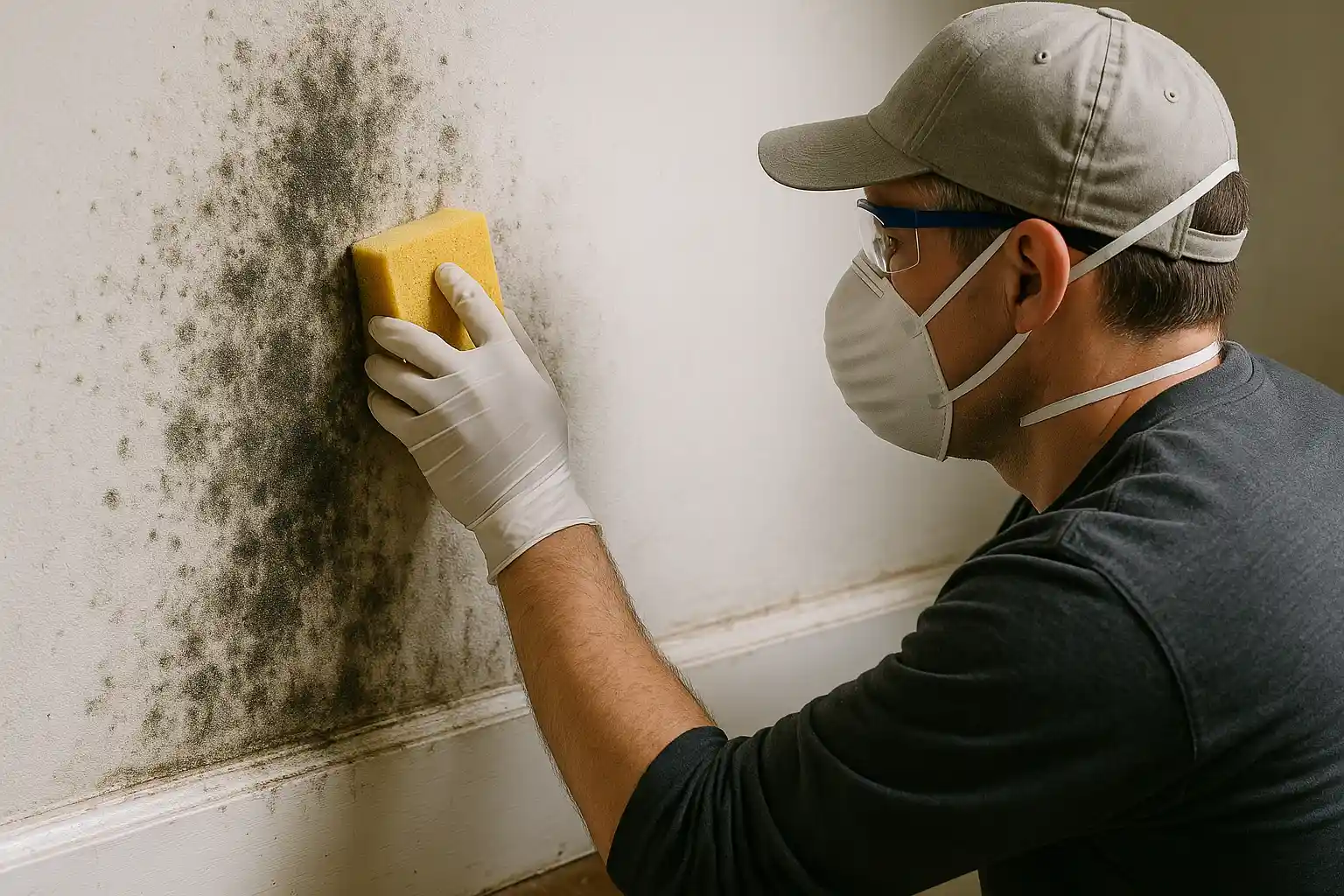
Black spots on your ceiling are most often mold. These spots may be flat or slightly raised and can look fuzzy or patchy. Sometimes they appear gray or even greenish, but black is the most common. In bathrooms, one of the usual suspects is a strain called Cladosporium, which easily grows on painted surfaces, tile, and ceilings.
Mold needs three things to grow: moisture, warmth, and a surface to live on. Bathrooms are perfect for all three. After a steamy shower, the ceiling stays warm and damp for a while. If there’s not enough air circulation, that moisture has nowhere to go. The humidity lingers, and pretty soon, mold spores floating in the air settle down and start growing.
Common reasons mold shows up in bathrooms include:
– Poor ventilation (especially if there’s no working fan)
– Leaky plumbing or old caulking around the shower or sink
– Long showers that produce lots of steam
– Water that splashes or drips and isn’t wiped up regularly
– Paint that isn’t mold resistant or meant for high-moisture areas
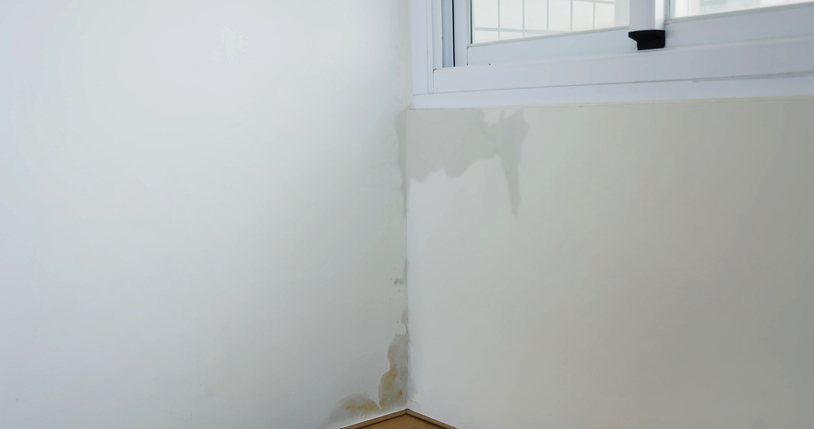
Let’s say you’ve got a bathroom window, but you rarely crack it open. Or maybe your exhaust fan sounds loud but doesn’t actually pull much air. Over time, that stale moisture seeps into the ceiling. You might not notice it right away, but mold works quietly. Once it’s started growing, it can dig into drywall, wood, or grout.
If you’re seeing spots near the ceiling corners or right above the shower, pay close attention. It might be time to take a closer look before the problem spreads.
Health Risks Associated With Mold
Mold doesn’t just look bad, it can also affect how you feel. The spores mold releases into the air are tiny, but when you breathe them in, they can mess with your health, especially if you already have allergies or breathing issues. Kids, older adults, and people with asthma tend to feel it the most.
Here are a few ways mold in your bathroom can cause problems:
– Constant sneezing
– Itchy eyes or throat
– Coughing or wheezing
– Headaches or fatigue
Sometimes, people don’t even realize mold is causing their daily symptoms. If it shows up in the bathroom, you might feel worse after a shower. That’s because the steam and heat lift mold spores into the air where they’re easy to breathe in. Over time, even someone who’s not sensitive to mold can start to feel the effects.
There’s also the risk to your home itself. Mold eats away at whatever it grows on. Left alone, it can weaken ceilings, ruin drywall, and stain walls permanently. And while you might clean the surface and make it fade for a while, it doesn’t take much for it to come back stronger if the root issue isn’t fixed.
For your health and your home’s condition, it’s better not to wait. If you even suspect it’s mold, the safest move is getting a professional inspection done. That way there’s no guesswork, and you’ll know exactly how serious the problem is.
Identifying Mold: When to Worry
Spotting mold can sometimes be tricky. It’s easy to confuse mold with mildew or other types of spots that show up in bathrooms. Mold usually looks velvety or fuzzy, while mildew is more powdery. The tricky part comes when the spots are small, making it hard to tell them apart by a quick glance.
To know if you should be on alert, pay attention to these signs:
– Growth that spreads quickly
– Dark spots that appear damp or musty
– Areas giving off a strong, moldy smell
– Circular spots that seem to multiply over time
Compare those spots with other areas in your house, especially if you notice them spreading. Mold often likes to move from ceilings to walls, especially when the ceiling isn’t treated. If you’re picking up strong, musty odors, that’s especially noteworthy. That smell is mold’s way of telling you that it’s thriving out of sight.
Preventative Measures
Preventing mold is all about managing moisture. If you get ahead of it, you can keep your bathroom healthier and mold-free. Here’s how:
1. Improve ventilation: Make sure your bathroom fan works well. An effective exhaust fan helps clear steam and moisture, throwing them outside instead of letting them hang around.
2. Fix leaks fast: Don’t let leaks linger. A leaky faucet or a drip under the sink doesn’t just waste water. It also creates prime spots for mold to grow.
3. Use mold-resistant paint: When it’s time to freshen up your bathroom, go for mold-inhibiting paint. This type of paint holds up better against humidity and resists mold growth much longer.
4. Keep it dry: Simply wiping down walls and ceilings after a shower can do wonders. Also, keep the shower curtain open, allowing air to circulate.
5. Regular check-ups: Check for signs of mold under the sink, around the shower, and near any windows. Getting ahead of a problem before it spreads makes it easier to handle.
With these measures, your bathroom stays less inviting for mold, leading to a healthier space for everyone at home.
Professional Mold Remediation Services
If home solutions aren’t working, or if mold keeps coming back, calling in professionals is the safest step. They find and treat the source of the problem quickly and thoroughly.
When a crew comes in, they assess your space first. They’ll inspect behind tiles, under the sink, and along the ceiling to understand how far the mold has spread. Once the issue is scoped out, they’ll use the right gear to safely remove the mold and decrease the chances of spores moving around the home.
After removal, most professionals treat the surfaces with solutions that prevent future growth. They may also point out places that need fixing or updating to stop more moisture issues going forward. That could include replacing fans, repairing leaks, or sealing tile grout.
Hiring mold remediation experts means you’re not guessing anymore. You’re getting a full picture and a long-term fix—one that puts your health and home’s condition first.
Ensuring a Mold-Free Bathroom
Keeping mold away means staying alert and proactive. Rinse and dry the shower area often. Open windows when it’s nice outside. Keep the bathroom fan running during and after showers. These small steps help reduce lingering moisture.
Keep an eye on places that collect water, like underneath sinks or around the toilet base. If anything looks damp for too long, find out why and fix it fast. A small change today can spare you a big headache later.
A well-maintained bathroom doesn’t just look better. It feels better too. Make mold prevention a regular part of how you care for your home. And if something looks or smells off, don’t wait. Get professionals involved before minor damage becomes major. That way, the air you breathe stays clean and your ceiling stays spotless.
Don’t let mold take over your bathroom and impact your health. For effective and swift solutions, turn to a trusted mold remediation company like DryWorx Water Damage Restoration. With our expertise, we can address and eliminate mold concerns in Vancouver before they become serious. Contact us today to ensure your home remains a safe and healthy environment.