Water Damage Repair | Portland | Water Damage | Water Damage Restoration
Finding mold on your walls is never a fun surprise. Maybe it showed up as a few dark spots near the ceiling, or maybe you noticed a musty smell before you saw anything at all. Either way, if you’re wondering how to remove mold from walls, the good news is that small, surface-level mold is often something you can handle yourself. The trickier part is knowing when it’s actually a bigger problem hiding behind the drywall.
Let’s walk through what to do, step by step, and how to tell the difference.
First, Figure Out What You’re Dealing With
Not all wall mold is created equal. A small dark patch on a bathroom wall after a humid summer is very different from mold spreading across an entire wall after a slow plumbing leak.
Before you start cleaning, take a moment to look for:
- Size of the affected area (a small spot versus something spreading across several feet)
- Whether the wall feels soft, damp, or bubbled
- A musty odor that lingers even when nothing is visible
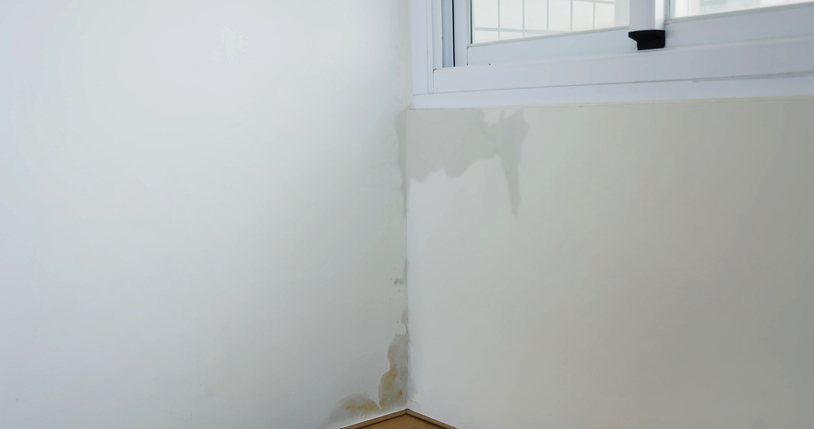
- Water stains, discoloration, or peeling paint nearby
If the wall is soft, warped, or clearly wet, that’s usually a sign of an active moisture problem, not just surface mold. We’ll come back to that.
Removing Mold From Hard, Painted Walls
If you’re dealing with a small patch on a painted, sealed wall, here’s how to tackle it.
Gear up first. Gloves, goggles, and a mask go a long way toward protecting you from spores, especially once you start scrubbing. According to the EPA’s mold cleanup guidelines, proper protective equipment is essential before disturbing any mold growth.
Open a window. Good airflow helps clear spores out of the room instead of letting them settle somewhere else.
Mix a cleaning solution. For painted walls, a mix of water and mild dish soap works well for light mold. For tougher spots, a solution of water and a small amount of household cleaner labeled for mold is usually enough. Skip the bleach on unpainted or unsealed drywall since it won’t reach mold that has grown beneath the surface.
Scrub gently. Use a soft brush or sponge and work the solution into the affected area. Avoid scrubbing too hard on painted drywall, since you can damage the paint and expose the material underneath.
Rinse and dry completely. Wipe the wall down with a clean, damp cloth, then dry it fully with a towel or fan. This step matters more than people expect. Leaving any dampness behind gives mold everything it needs to return.
Check the paint. If mold has stained through the paint or the surface still looks discolored after cleaning, a coat of mold-resistant paint can help once the wall is completely dry.
When Mold Has Gotten Into the Drywall
Here’s the part a lot of cleaning guides skip. Drywall is porous, which means mold doesn’t just sit on top of it. It can grow into the paper backing and the material itself, and once that happens, surface cleaning won’t fully solve the problem. You might wipe away what you can see, only to have it return within a few weeks because the mold underneath was never addressed.
Signs you’re dealing with this include:
- Mold that keeps coming back in the same spot
- A wall that feels soft or bubbled
- A musty smell with no visible mold anywhere
- Mold spreading across a large section of wall rather than a small spot
In these cases, the drywall may need to be cut out and replaced, and the moisture source behind it needs to be identified and fixed. The IICRC’s mold remediation standard (S520) outlines why structural materials like drywall often require professional assessment. Otherwise, you’re just cleaning the same spot over and over.
What Actually Causes Wall Mold
Cleaning the mold you see is only half the job. If you don’t address what caused it, it’s going to come back. Common culprits include:
- Hidden plumbing leaks inside the wall
- Poor ventilation, especially in bathrooms and kitchens
- Roof leaks that let water travel down into interior walls
- High indoor humidity without enough airflow
If you’ve cleaned the same wall more than once, it’s worth asking what’s feeding the mold rather than just treating the symptom again.
When It’s Time to Call a Professional
Reach out for professional help if you notice any of the following:
- Mold covering a large area of wall
- Soft, damp, or bubbled drywall
- Mold that keeps returning despite repeated cleaning
- A musty smell with no visible source
- Anyone in the household dealing with asthma or allergy symptoms that flare up indoors
These are usually signs of moisture trapped inside the wall, which means the real fix involves more than a spray bottle and a brush. The CDC recommends addressing the underlying moisture source before any cleanup begins.
How DryWorx Water Damage Restoration Can Help
At DryWorx Water Damage Restoration, we’ve spent more than a decade helping homeowners and businesses in Ridgefield deal with exactly this kind of situation. Our IICRC-certified technicians know how to find the moisture source behind a mold problem, not just clean up what’s visible, using proven processes and advanced equipment to get to the root of it.
We’re proud to be a BBB-accredited company, and we were recognized with a Sedgwick Award for our CAT response, which reflects how seriously we take fast, dependable service when disaster strikes. Whether it’s mold remediation, water damage, fire and smoke restoration, or storm damage repair, our team approaches every job with the same mix of expertise and genuine care.
The Bottom Line
Small, surface-level mold on a painted wall is often something you can clean up yourself with the right approach. But if mold keeps coming back, the wall feels soft or damp, or you’re noticing a musty smell without a clear source, it’s worth having someone take a closer look before the problem grows.
If that sounds like your situation, contact DryWorx Water Damage Restoration today. We’ll help you figure out what’s really going on behind your walls and get your home back to normal.