When water gets into your home, the first question most people ask is how long the damage will last. Water damage drying time is not the same for every property. A small leak on a tiled floor and a soaked subfloor after a pipe burst can be days or even weeks apart. In Vancouver, WA, where wet winters and humid air slow drying down, knowing what to expect helps you make better decisions and avoid mold.
Here’s what actually determines how long drying takes and how to know when your home is truly dry.
How Long Does Water Damage Take to Dry?
With professional equipment, many residential water losses reach their drying goals in roughly three to five days. That is a general range, not a promise. Thick or dense materials like hardwood flooring, subfloors, concrete, and insulation inside wall cavities can take considerably longer, and severe or long-standing water intrusion can extend the timeline further.
Without proper equipment, surfaces may feel dry within a day or two while the material underneath stays wet. That is why professional structural drying services rely on measured moisture readings rather than how a room feels.
What Affects Water Damage Drying Time
The Materials That Got Wet
Porous materials such as drywall, carpet padding, and insulation absorb water quickly and release it slowly. Dense materials like solid wood and concrete hold moisture deeper and need more time. Some materials, like saturated insulation or padding, are often better removed than dried.
How Much Water and How Long It Sat
A few hours of exposure is very different from water that has been sitting for days. The longer water stays in place, the deeper it travels into framing, flooring, and wall cavities, and the longer the drying process becomes.
Humidity and Airflow in the Pacific Northwest
Drying works by moving moisture out of materials and into the air, then removing it from the air. When outdoor humidity is high, as it often is during our rainy season, opening windows can actually add moisture instead of removing it. Controlled airflow and equipment matter more here than in drier climates.
Equipment and Response Time
Air movers and commercial dehumidification equipment can pull moisture from a structure far faster than household fans. Just as important is how quickly drying starts. Acting within the first 24 to 48 hours usually shortens the overall timeline and reduces the amount of material that needs to be replaced.
Why Water Damage Drying Time Matters for Mold
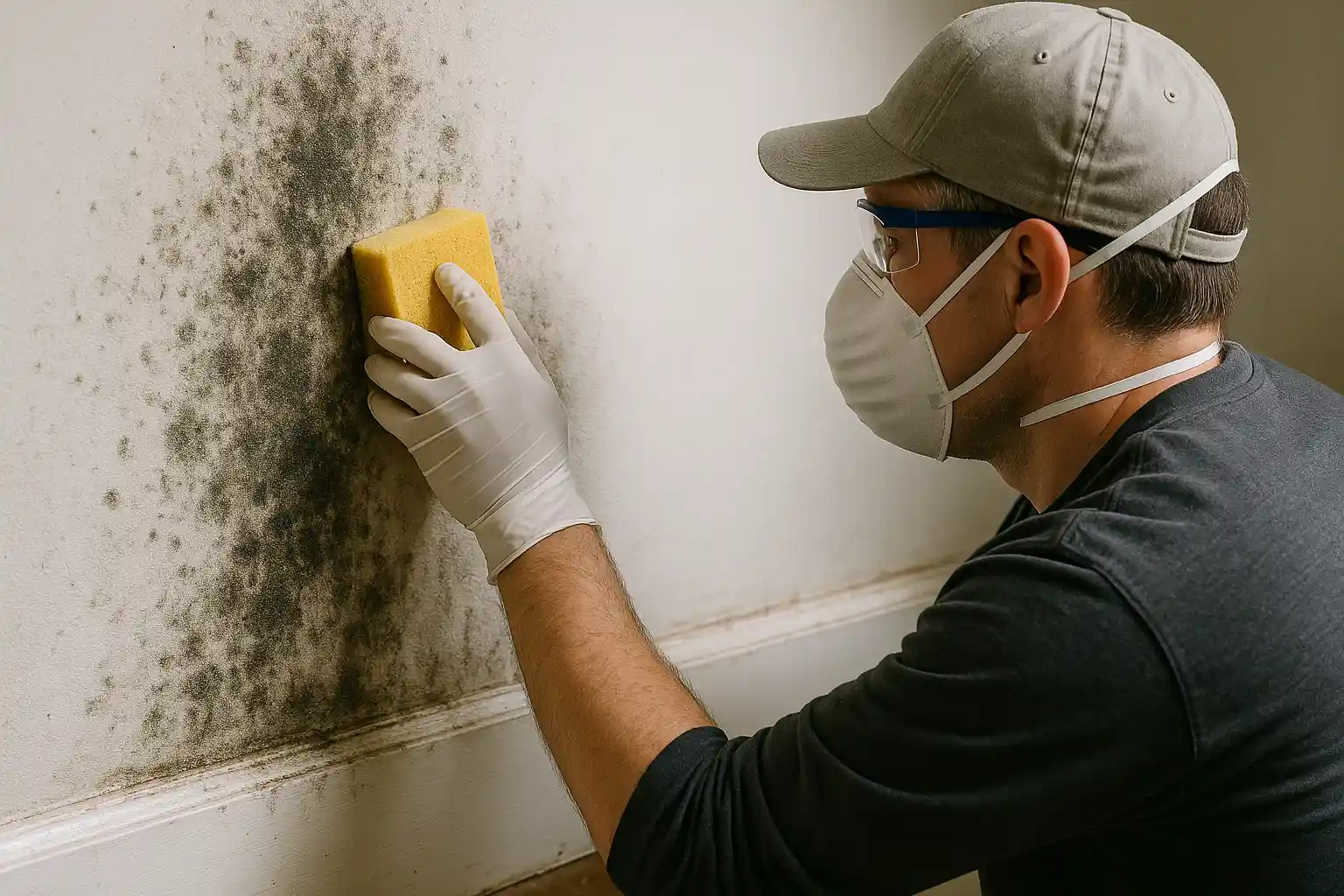
Moisture that lingers is what turns a water loss into a mold problem. The EPA advises that mold can begin to grow on damp materials within 24 to 48 hours, which is why drying quickly and thoroughly is so important. You can read more in the EPA’s guide to mold, moisture, and your home.
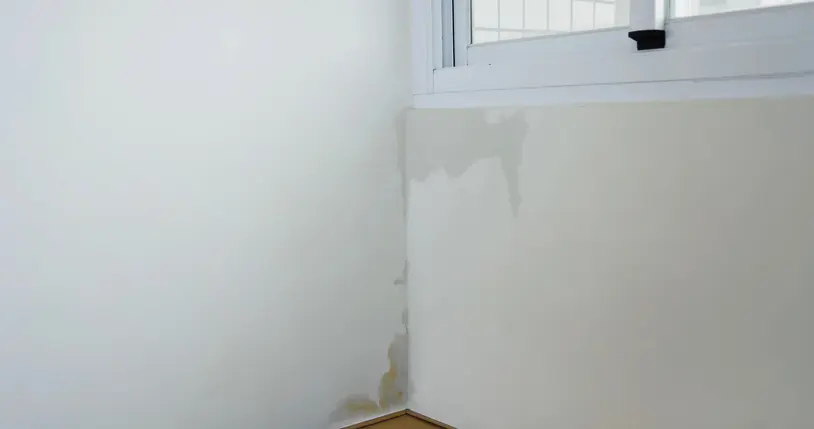
The risk is highest in places you can’t see, such as inside walls, under flooring, and behind cabinets. A room that looks and feels dry can still hold trapped moisture, which is why guessing is risky.
How Professionals Confirm Your Home Is Dry
A properly managed drying job does not end when the equipment has run for a set number of days. Technicians take moisture readings at the start, monitor them daily, and compare them against the readings of unaffected materials in your home. Drying is complete only when the wet materials reach those target levels. This approach follows industry practices set by the IICRC, the standards body behind water damage restoration certification.
Tools like moisture meters and thermal imaging inspection help locate hidden moisture behind walls and under floors without unnecessary demolition, so nothing stays wet by accident.
What You Can Do While You Wait
Some steps can help while you arrange professional support:
- Stop the water source if it is safe to do so.
- Turn off electricity to affected areas if there is any risk of contact with water.
- Remove standing water and move furniture and belongings out of wet areas.
- Do not cover or seal wet materials, and avoid using a household vacuum on water.
- Take photos of the damage for your insurance claim.
These steps help, but they do not replace proper drying. Surface drying alone rarely reaches the moisture inside your walls and floors.
When to Call a Professional
Water damage drying time is easy to underestimate. Reach out for professional help if:
- The water has been present for more than 24 hours
- Walls, subfloors, or hardwood floors were soaked
- The water came from a sewage line, flooding, or an unknown source
- You notice a musty smell after the area seems dry
- Floors feel soft, warped, or spongy
- You are unsure whether everything has fully dried
How Dryworx Helps Vancouver, WA Homeowners
At Dryworx, we provide complete water damage restoration for homes and businesses across Vancouver, Ridgefield, Portland, and Salem. Our IICRC-accredited team responds 24/7, documents moisture levels from start to finish, and uses professional-grade drying equipment to bring your property back to a safe, dry condition.
We also bill directly to insurance and help coordinate the paperwork, so you can focus on your home instead of the claim process.
Water damage drying time depends on your materials, the amount of water, and how fast you act. If your home has been affected, do not wait for the problem to show itself. Contact Dryworx today for a free inspection and estimate, and we will show you exactly what is wet, what needs to happen, and how long it will take.