Storm season in Vancouver, Washington often kicks into gear by August. The skies can shift quickly, bringing sudden downpours, strong wind gusts, and fallen branches or debris. These fast-moving changes in weather can be tough on homes that aren’t ready for them. Sometimes, all it takes is a loose shingle or clogged drain to let in enough water to cause thousands of dollars in damage.
Many homeowners don’t realize how far-reaching even a minor storm can be. One overlooked window crack or a fragile section of siding can lead to water sneaking behind the walls. Once it’s in, it spreads quickly. Add in power outages or fallen trees, and things get overwhelming fast. Prepping your house before the storms hit doesn’t take long and can shield you from a lot of trouble down the road.
Evaluate Your Property’s Vulnerabilities
Every home has parts that are more likely to take a beating during a storm. Finding those points before the bad weather shows up is a great first step.
Start high by looking at your roof. Are there any missing or curling shingles? Signs of wear could mean water will find a way through. It’s easy to forget about the roof until there’s a leak dripping from your ceiling. While you’re up there, check that flashing around chimneys or vents is secure and free of gaps.
Next, take a walk around the outside of your home. Look closely at your windows. Are the seals tight? Can you spot any cracks in the glass or frame? Even small gaps can allow rain and wind to sneak through. If you’ve got basement windows, make sure the ground slopes away from them to reduce water pooling there.
Don’t skip the doors. Make sure they seal firmly, and there aren’t any visible gaps at the bottom, which can lead to flooding during heavy rain. Garages with old or damaged doors might also be weak spots.
Common vulnerabilities include:
– Loose or damaged shingles or roof tiles
– Cracked or poorly sealed windows and doors
– Small foundation cracks that collect water
– Gutters that overflow or pull away from the roofline
– Low spots around the yard where water tends to settle
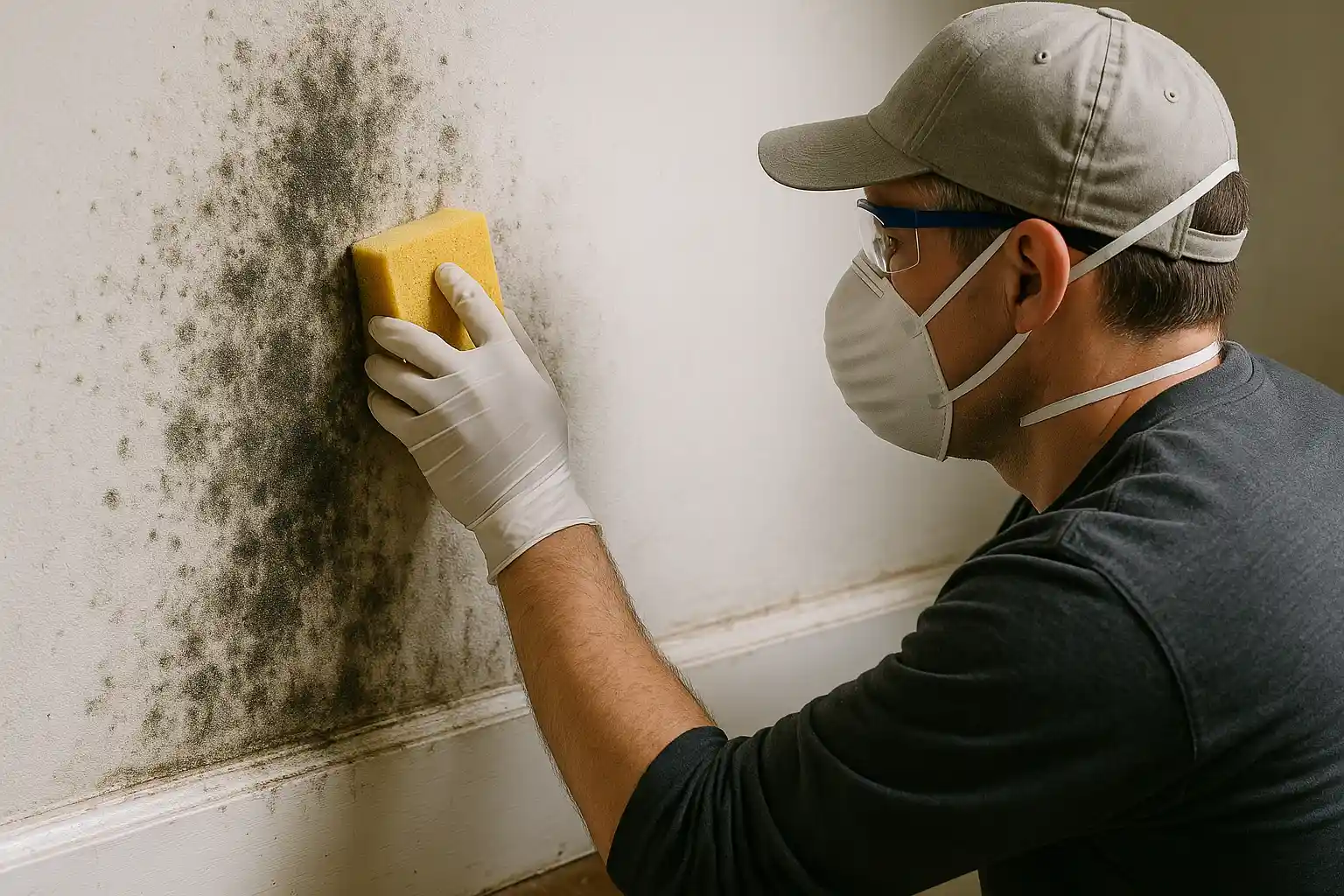
A homeowner in Vancouver recently ignored a gutter pulling slightly away from their roof. After a strong August thunderstorm, that section pulled entirely free and dumped water right along the edge of their home. A simple fix a few weeks earlier could’ve saved them from drywall damage and mold cleanup in their living room.
Storm-Proof Your Home Exterior
Once you’ve found the weak spots in your home, the next step is to storm-proof them. It doesn’t take a full renovation to make a big difference.
Items around your yard can transform into hazards during a windstorm. Loose patio furniture, umbrellas, garden tools, and even potted plants can become projectiles. If a strong gust sends them flying, windows can break or siding can dent. Store anything light or breakable inside your garage or shed if a storm is on the way.
Take a look at any trees near your home. Long limbs hanging over your roof or too close to windows need to be trimmed. Heavy branches falling during a storm cause more than just cosmetic damage.
Your gutter system is your house’s first line of defense against heavy rain. Clear out leaves, twigs, and debris that might block water from flowing. When gutters are clogged, water spills over the sides, and instead of draining away, it goes straight down your siding or pools near your foundation.
Here’s a short checklist to go through:
1. Store lightweight outdoor items inside or tie them down securely
2. Trim tree branches that hang close to your house or power lines
3. Clean out gutters and downspouts so water can drain freely
4. Tighten or replace loose shutters, railings, and fence panels
5. Seal up identified cracks around windows or doors with weather stripping or caulk
Spending a weekend on these tasks could prevent months of stress and repairs once August storms hit. Your future self will thank you.
Prepare for Power Outages
When storms roll through, they often lead to power outages. Having a game plan makes these situations far more manageable. Start by gathering a few key supplies. Flashlights are a must-have. Make sure you have extra batteries stored somewhere easy to reach. Candles are useful too, but be careful where you light them. A sudden gust could knock one over, turning your lighting solution into a fire hazard.
Non-perishable foods are good to have when power might be out for a while. Stock up on items that don’t require cooking, like canned goods, crackers, or dried fruit. An emergency stash of bottled water is smart, especially if storm conditions disrupt water services.
Consider whether a portable generator would be helpful for you. These handy devices can keep your fridge and a few lights running. It’s a big help during extended outages, keeping perishable food from spoiling and making sure you’ve got some basic comfort.
Develop an Emergency Plan
Having an emergency plan lets everyone in your household know exactly what to do when a storm hits. Start by talking about the possibility of a serious storm and what each person should do. Decide on a safe area in your home where everyone can gather, away from windows and large trees.
Communication is important. Sometimes cell service is spotty during a storm, so agreeing on a meeting point or a way to reconnect if anyone gets separated helps keep everyone safe. Write down important phone numbers and keep them somewhere obvious.
An emergency kit can be a lifesaver. Use a backpack or sturdy tote to store items like a first-aid kit, blankets, a weather radio, and your stash of food and water. Important documents such as insurance policies, passports, and medical records should be packed as well. Make sure everyone knows where to find this kit.
Get Professional Help with Storm Damage Restoration
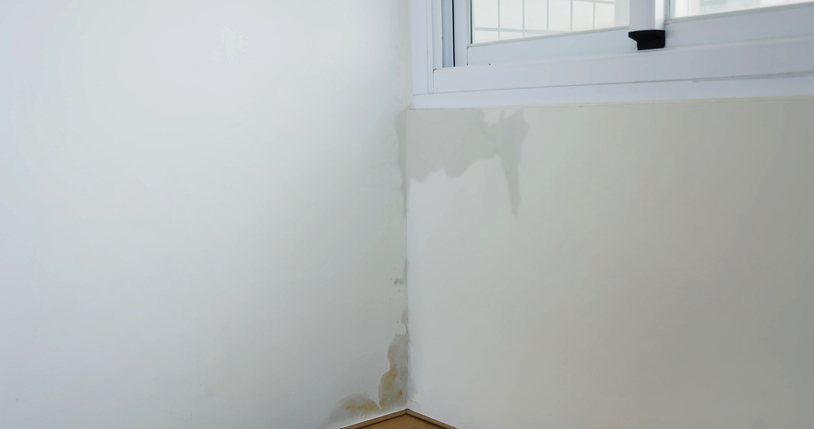
When storms have done their worst, taking quick action to fix any damage is key. Professional restoration can stop small issues from turning into major ones. Not every problem is easy to see. Water might sneak into your walls or attic, and you won’t know it’s there until mold starts to spread or materials weaken.
Hiring someone who knows what to look for can make a big difference. They can spot things you might miss and already have the right tools for restoration. The longer damage sits unaddressed, the bigger the risk, whether it’s hidden rot, mold, or structural problems. Getting professional help early keeps your home safe and your recovery smooth.
Stay Ahead of August Storm Season
Getting ready for storms doesn’t have to feel overwhelming. A little effort today can make all the difference when the skies turn dark. Taking time to prep your home will help protect what matters most.
Find those weak spots, clean up the yard, and check the roof before the clouds roll in. Stock the basics so you’re not scrambling when the lights go out. Talk with your family and have a plan everyone understands. When it’s time to pick up the pieces, bringing in experts for storm damage restoration can save a lot of time and money.
By staying one step ahead, you’ll face the season with confidence. It’s peace of mind you can’t put a price on.
If your home has taken a hit after a recent storm, professional support can make a big difference. DryWorx Water Damage Restoration offers reliable storm damage restoration to help get things back to normal quickly and safely. Let us take care of the mess so you can focus on moving forward with peace of mind.