Water damage is one of the most urgent threats that homeowners and businesses in Vancouver, WA face. From heavy Pacific Northwest rains that overwhelm gutters to sudden pipe bursts in older homes, water can infiltrate building materials within minutes. Without a swift, structured response, standing water and excess moisture lead to mold growth, structural weakening, and health hazards. This comprehensive guide unpacks each phase of professional water damage restoration—from emergency inspection to final rebuild—so property owners know exactly what to expect when disaster strikes.
Understanding Water Damage in Vancouver WA
In Vancouver’s humid climate, every storm or plumbing failure carries the risk of water intrusion. Even minor leaks behind walls can saturate drywall, insulation, and framing. As moisture wicks into porous materials like wood and paper, it creates ideal conditions for mold spores to germinate within 24–48 hours. Swift assessment and mitigation are crucial to stopping damage escalation and restoring indoor air quality.
Common Causes of Water Damage in the Pacific Northwest
Vancouver’s proximity to the Columbia River and frequent winter storms places properties at risk of flooding, roof leaks, and foundation seepage. Aging plumbing lines in historic neighborhoods can fracture under cold snaps, while malfunctioning water heaters or appliances generate hidden leaks that go unnoticed for days. Blocked gutters and downspouts direct rainwater toward crawlspaces, and sewer backups introduce contaminated water that demands specialized handling.
Initial Response and Assessment
The restoration journey begins with a 24/7 emergency call to a certified water damage specialist. Rapid response teams arrive on-site within 90 minutes to assess the situation, stabilize the property, and prevent secondary damage. Their initial tasks include identifying the water source, classifying the damage, and mapping out a restoration plan that will guide equipment deployment and repairs.
Emergency Inspection and Rapid Response
Upon arrival, technicians conduct a thorough walkthrough, documenting visible damage such as standing water, ceiling stains, and warped flooring. They also inspect electrical hazards, shut off affected circuits, and secure the site for safe mitigation. This immediate containment step reduces the risk of slip-and-fall injuries and protects valuable contents.
Classification of Water Damage
Water is categorized by contamination level, which directs safety protocols and equipment choices:
| Category | Description | Common Sources |
| 1 | Clean water from sanitary sources; minimal health risk | Broken supply lines, leaky faucets |
| 2 | Gray water contains chemicals or organic matter | Dishwasher overflows, washing machine |
| 3 | Black water is highly contaminated; health hazard present | Sewage backups, river flooding |
Accurate classification ensures technicians wear the proper personal protective equipment (PPE) and apply the correct antimicrobial treatments during cleanup.
Water Extraction and Removal
Once the damage is assessed and documented, the next phase involves physically removing all standing water. High-capacity pumps and industrial wet/dry vacuums extract water from carpets, hardwood floors, and even deep pockets beneath floorboards. Technicians strategically perform controlled flood cuts in drywall to access water trapped behind walls and facilitate drainage.
The water extraction stage often eliminates more than 90% of excess moisture, but residual water can persist in structural cavities. Specialized moisture meters and thermal imaging cameras scan walls, ceilings, and subflooring to uncover hidden saturation that, if left untreated, leads to mold or rot.
Drying and Dehumidification Process
Even after visible water is gone, building materials retain moisture. The drying and dehumidification stage is critical for lowering humidity levels and preventing secondary damage. This multi-day process relies on a calibrated combination of air movers and dehumidifiers to evaporate moisture and capture it from the air.
Air Movers and Controlled Airflow
High-velocity air movers create targeted airflow across wet surfaces, accelerating evaporation. Technicians position multiple units at varying heights to direct dry air into wall cavities and under subfloors. Controlled airflow patterns—designed using psychrometric principles—ensure even drying and avoid pockets of trapped moisture.
Vancouver homeowners commonly search for water damage restoration Vancouver Wa services after storms or plumbing emergencies. Engaging a local restoration team ensures equipment and techniques are optimized for the region’s high-humidity environment.
Low Grain Refrigerant and Desiccant Dehumidifiers
Dehumidifiers pull water vapor from the air, condense it, and deposit it into collection tanks or drainage lines. Low Grain Refrigerant (LGR) dehumidifiers excel at lowering relative humidity in enclosed spaces, while desiccant dehumidifiers absorb moisture chemically—ideal for colder or highly contaminated environments. Technicians monitor humidity readings hourly, adjusting equipment placement and operating parameters to maintain an optimal drying profile.
Cleaning, Sanitization, and Mold Prevention
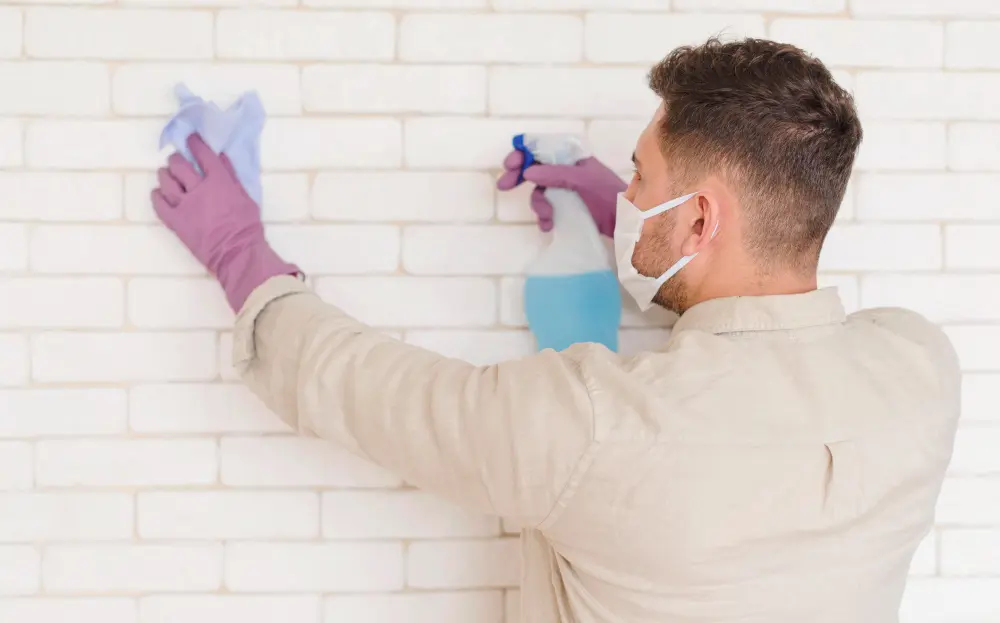
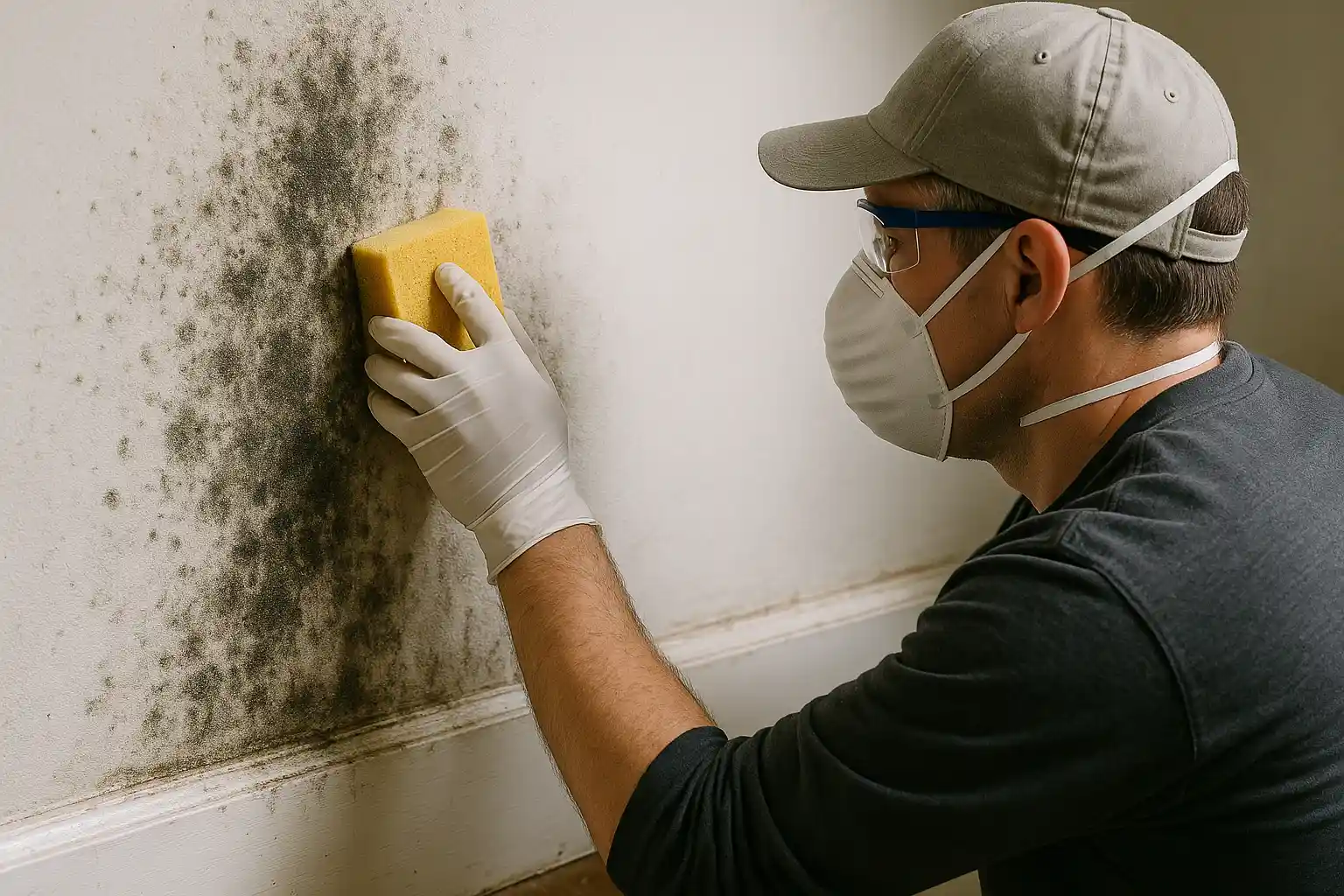
After structural drying reaches pre-loss moisture levels, the focus shifts to sanitation. Clean water incidents may require surface disinfection, whereas gray or black water events demand full antimicrobial remediation. Technicians apply EPA-registered disinfectants to kill bacteria, viruses, and mold spores. Porous materials like carpets and upholstered furniture often undergo HEPA vacuuming and specialized cleaning solutions to remove contaminants without damaging fabrics or finishes.
Strict mold prevention protocols include surface encapsulation, application of mold inhibitors, and continuous air scrubbing. Air scrubbers filter particulates and odor molecules, restoring indoor air quality and ensuring a safe environment for occupancy.
Repairs, Reconstruction, and Finishing
With the property sanitized and fully dried, restoration professionals move into repairs and reconstruction. Minor projects—such as drywall patching, painting, and trim replacement—can be completed within days. More extensive rebuilds may involve installing new subflooring, replacing sheetrock over flood cuts, and refinishing hardwood floors. Skilled carpenters, painters, and floor installers work in coordination to restore both structural integrity and aesthetic continuity.
Throughout reconstruction, technicians document progress, capture moisture logs, and update insurance adjusters to streamline claim approvals. This level of transparency ensures that property owners avoid surprise costs and return to normalcy faster.
Restoration Timeline
Understanding a typical restoration timeline helps property owners plan for displacement, budget expectations, and communication with insurers. While each scenario differs, the following table outlines average phase durations:
| Phase | Typical Duration |
| Emergency Response & Inspection | 0–1 day |
| Water Extraction | 1–2 days |
| Structural Drying & Dehumidification | 2–5 days |
| Cleaning & Sanitization | 1–2 days |
| Repairs & Reconstruction | 3 days–3 weeks (varies) |
| Final Quality Inspection | 0–1 day |
Total project length can range from a few days for minor leaks to several weeks for major flood events that require extensive repairs.
Advanced Technology and Industry Standards
Modern restoration relies on a suite of specialized instruments. Moisture meters, hygrometers, and thermal imaging cameras pinpoint residual humidity and concealed water. Psychrometers track temperature and relative humidity, guiding technicians in balancing airflow and dehumidification. Certified by the Institute of Inspection, Cleaning and Restoration Certification (IICRC), practitioners adhere to ANSI/IICRC S500 standards to ensure consistent results and compliance with best practices.
Insurance Claims and Documentation
Water damage restoration often intersects with property insurance. Professional restoration firms provide detailed documentation packages—complete with moisture logs, photographic evidence, and equipment runtime reports—to support claim processing. By partnering directly with insurers, technicians help expedite approvals and minimize out-of-pocket expenses for policyholders.
Preventing Future Water Damage
Long-term protection depends on proactive measures. Routine plumbing inspections uncover slow-leaking pipes before they become emergencies. Properly maintained gutters, downspouts, and grading redirect rainwater away from foundations. Installing a sump pump with battery backup safeguards basements during power outages. Smart water sensors placed near appliances and in crawlspaces deliver instant leak alerts, empowering homeowners to act before moisture spreads.
For a detailed evaluation of moisture levels and a customized prevention plan, contact us to schedule a free inspection with our certified technicians.
Why Choose DryWorx Restoration?
Every restoration project demands local expertise, rapid mobilization, and strict adherence to industry standards. All of these phases and advanced moisture control techniques are performed by highly trained technicians at DryWorx Restoration, who combine IICRC certification with years of Pacific Northwest experience. From emergency mitigation to final rebuild, DryWorx Restoration delivers efficient, transparent solutions tailored to Vancouver’s unique climate and building structures.
Frequently Asked Questions
What are the key steps in the water damage restoration process?
The essential steps include emergency response and inspection, water extraction, structural drying and dehumidification, cleaning and sanitization, and final repairs and reconstruction. Each phase builds on the last to restore structural integrity and indoor air quality.
How long does water damage restoration typically take in Vancouver, WA?
Restoration timelines vary based on damage severity. Most projects complete water extraction and drying in 3–7 days, while reconstruction can add 3 days to 3 weeks. Minor leaks may be resolved in under a week, while major floods require longer rebuild phases.
Will my homeowner’s insurance cover water damage restoration?
Coverage depends on policy details and the damage source. Standard homeowners insurance generally covers sudden, accidental water damage (like burst pipes) but excludes flood damage from external sources. Always review your policy and consult your insurance agent.
What is involved in the drying and dehumidification process?
Drying uses high-velocity air movers to evaporate moisture, while dehumidifiers remove water vapor from the air. Professionals monitor humidity and temperature to optimize drying rates and prevent mold growth. Equipment is strategically placed to reach concealed wet areas.
When should I call a professional restoration company?
Contact a professional immediately after identifying water damage signs—such as warped flooring, musty odors, or visible standing water. Early intervention within the first 24–48 hours prevents mold, structural damage, and higher restoration costs.
Post Tags: