Sewage overflow is one of those problems you hope never happens but need to be ready for just in case. It’s messy, it’s stressful, and it can cause serious damage to your home. If you’re in Vancouver, Washington, you’re not a stranger to the plumbing challenges that come with older sewer lines and shifting summer temperatures. Blockages or cracks can show up without much warning, and before you know it, you’re dealing with backed-up drains or worse, sewage spilling inside or around your property.
Summer tends to put more pressure on residential plumbing systems. More outdoor water use, clog-prone habits like flushing wipes, and tree root invasions all make problems more likely. The faster you act when something goes wrong, the better your chances of limiting damage. This article walks through the first things you need to do when you’re facing a sewage overflow, so you can stay calm, protect your household, and get things back on track.
Immediate Steps To Take During A Sewage Overflow
If sewage is backing up into your home, take action fast. The smell, the mess, and the danger to your health all need to be treated seriously. Start by protecting yourself and others before anything else.
Here’s what to do right away:
1. Get everyone out of the contaminated area
Keep children, pets, and anyone with weakened immune systems away from the mess. Sewage carries bacteria and viruses, so limiting exposure is key.
2. Shut off your water supply
If it’s safe to do so, turn off your home’s main water valve. This can reduce further backup and stop added water from worsening the problem.
3. Avoid touching contaminated water
Don’t try to soak it up or sweep it away by yourself. Sewage-soaked items, even floors, can spread germs. Avoid walking through the area to keep the mess from spreading through the house.
4. Turn off electricity in affected areas
If water and electricity are in the same place, don’t take any chances. Shut off power at the breaker for those specific rooms, only if you can do so safely.
5. Keep windows open for ventilation
Letting fresh air in can help reduce lingering odor quickly and improve airflow, but don’t rely on fans or air conditioners if they’ve been exposed to sewer gases or splashes.
One situation we’ve seen in Vancouver started with a slow drain and ended in a bathroom overflow due to tree roots cracking a main line. The homeowner heard gurgling in the shower but didn’t think much of it. Overnight, sewage came up through the toilet, spreading across the floor and damaging the baseboards and drywall. Had action been taken sooner, it would have been a lot easier to manage.
Even small signs like strange sounds or slow draining are worth checking out. If sewage backs up, act quickly and avoid contact.
Contacting Professionals For Residential Restorations
Once you’ve done what you can to protect your home and family, reach out to professionals right away. Sewage damage isn’t just surface water. Contaminants can soak deep into walls, flooring, and personal belongings.
Bringing in a licensed restoration crew early limits damage and keeps long-term costs in check. It can be tempting to handle cleanup yourself, but without the right protective gear, tools, or experience, it’s easy to overlook hidden threats and make the problem worse.
Restoration experts arrive on-site prepared to tackle every layer of the damage. They can:
– Inspect hidden spaces like behind walls and under flooring
– Use extraction tools to suck out contaminated water safely
– Help you figure out which materials can be cleaned and which need replacing
– Disinfect all affected surfaces and treat for odors
– Start drying everything out to stop mold from forming
Sewage affects more than just what you see. Soaked insulation, damp drywall, and waterlogged floors are common issues. Repairs need to be done properly to make sure your home is fully safe again.
Delays often lead to more damage, so acting quickly is key. Even if the overflow seems small, professional help helps turn things around faster and with fewer setbacks.
Mitigating and Preventing Future Sewage Overflows
No one wants a repeat of a sewage overflow. It’s better to prevent than to repair. A few smart steps can help keep things from happening again.
Start with watching what goes down the drain:
– Don’t flush items like wipes, paper towels, or anything labeled “flushable”
– Avoid dumping grease or food scraps into the kitchen sink
– Use drain screens or strainers, especially in high-use areas
Schedule regular plumbing checkups, especially before summer rolls around. A plumber can spot roots growing into pipes, buildup that’s starting to block flow, or shifts in pressure that could become a problem down the line.
Partnering with professionals helps you stay ahead of plumbing surprises. They use tools like cameras to inspect drains and equipment to detect weak spots in your system. These checks go further than a basic home inspection and ultimately help keep your lines safe and working the way they should.
Making these habits part of your routine boosts your home’s protection and gives you a heads-up before damage hits.
Cleaning and Sanitizing the Affected Area
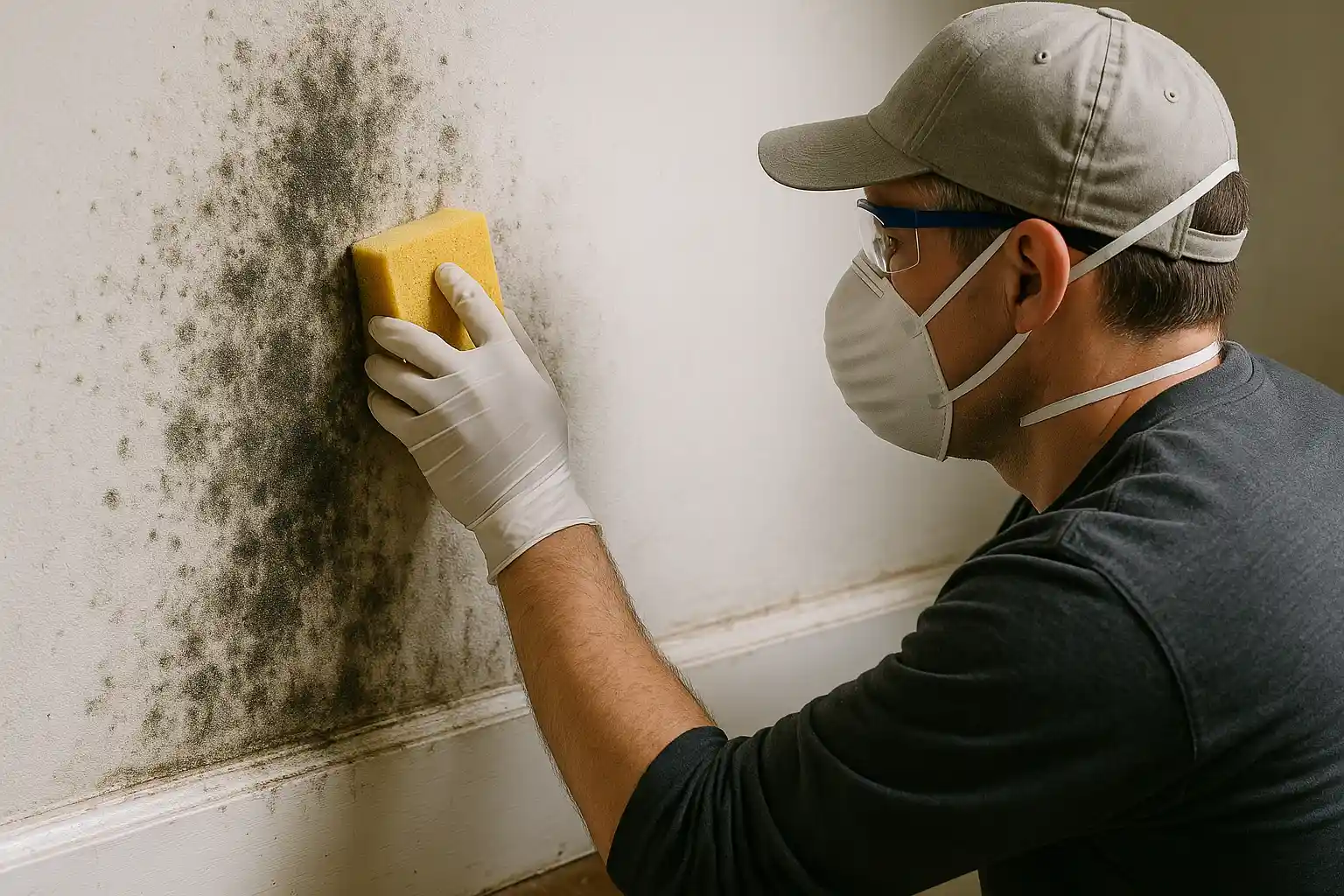
After a sewage overflow, getting the area cleaned up right is a priority. It’s more than just removing water. Germs and health risks stick around in carpets, drywall, and fabrics long after the visible mess is gone.
Professional cleanup teams go far beyond typical cleaning methods. They handle jobs like:
1. Water extraction
Using heavy-duty vacuum systems, they remove all standing sewage quickly.
2. Safe disposal
Stuff like carpeting, soaked drywall, and insulation that can’t be saved will be removed and discarded following health safety guidelines.
3. Scrubbing surfaces
All affected materials get cleaned using cleaners strong enough to remove bacteria but safe for residences.
4. Disinfecting
Disinfectants kill off germs that could linger and lead to illness.
5. Drying out the structure
Dehumidifiers and air movers dry every inch of affected areas to prevent mold from forming later.
This kind of work is especially important in Vancouver, where summer heat mixed with damp spaces makes mold more likely. Skipping steps during cleanup creates more problems later.
It’s smart to bring in folks with the right tools and training for something this serious. Sewage contamination is risky business, and thorough cleaning is a must.
Bringing Back Normalcy After a Sewage Overflow
Once cleanup is complete, it’s about getting your home back in order. That may include repairs or replacements for items like ruined flooring, baseboards, or drywall. Start with the most used spaces to make your daily life easier while the rest gets handled.
After repairs, don’t forget about keeping an eye on things. Signs like:
– Lingering smells or mildew odors
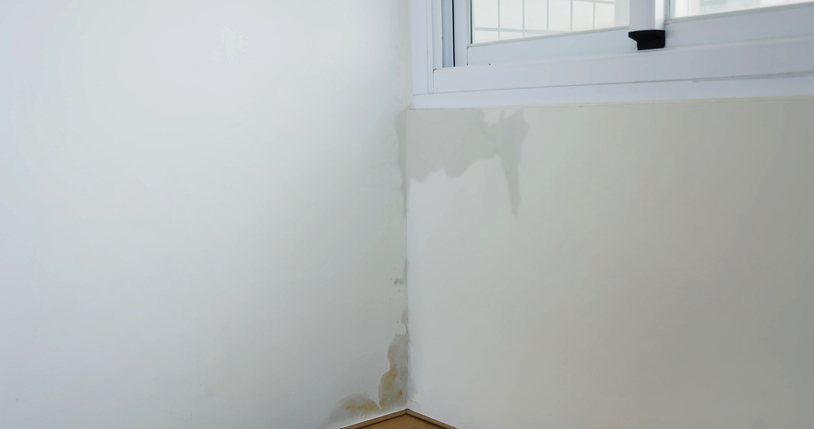
– Discoloration on walls or floors
– Strange sounds in the plumbing system
could point to problems hiding below the surface.
Preventative upkeep is part of getting life back to normal. Set reminders for seasonal plumbing maintenance. Check drains regularly. Make sure your system can keep up with daily use—especially in warmer months when water usage often goes up.
Having a plan reduces your chances of going through the same kind of mess again and helps keep your home running smoothly.
Why Fast Action Makes All the Difference
A sewage overflow brings stress, mess, and risk. The way you respond after it starts can make things smoother or harder down the line. Acting right away helps protect your family and your property.
Working with trained professionals means the cleanup gets done safely and completely. From extracting water and removing unsafe material to disinfecting surfaces and drying everything out, their help makes recovery faster and more thorough.
Being ready ahead of time matters too. On top of keeping up with plumbing checks, it helps to have an emergency contact ready. Knowing who to call and where to shut off the water means you can respond faster and avoid more damage.
Stay aware, stay safe, and give your home the support it needs to avoid another overflow. Taking care of things early on makes all the difference.
Protecting your home from future sewage issues takes quick action and the right support. When you’re ready for expert help, turn to DryWorx Water Damage Restoration. Our team is here to handle thorough residential restorations so your home stays safe, clean, and free from hidden damage after an overflow.