Flash floods aren’t rare during summer in Vancouver, Washington. All it takes is one heavy downpour mixed with clogged drains or backed-up storm systems, and your basement could be facing more water than you ever want to see indoors. In neighborhoods where the ground doesn’t absorb water fast enough or where elevation plays against homeowners, floodwater finds the path of least resistance and that path often leads straight into your basement.
If you’ve lived in the area for a while, you’ve probably seen what flash flooding can do. Maybe a neighbor had to rip out soaked flooring or toss out water-damaged furniture. Protecting your basement from these sudden events doesn’t just prevent damage. It saves time, money, and a lot of future stress. Understanding the risks and preparing now can help keep your home safer when summer storms strike.
Understanding Flash Floods
Flash floods happen fast. In most cases, the rain doesn’t need to last all day to cause trouble. A short but intense storm can dump more water than the ground or city systems can handle. When that water starts rushing downslope or pooling in low-lying areas, nearby basements take a hit. Summer is when this happens most often. Hot, dry conditions during the day can turn into thunderstorms in the evening. Once the rain starts falling faster than the soil or drains can absorb, the water has nowhere to go but sideways or down.
Vancouver has its fair share of steep terrain and neighborhoods built near creeks or gulches. In these areas, the risk climbs even higher. Some older homes don’t have enough outside drainage or waterproofing, especially homes with basements built before certain building codes added specific protections. Even newer homes can face problems if gutters get clogged or yard grading isn’t done right.
What adds to the challenge is how quickly flash floods move. A basement can go from dry to soaked in under an hour. Wall cracks, poor sealing around windows, or drains that can’t keep up may lead to water creeping or pouring in. The suddenness leaves little time to react, which is why knowing what can happen and spotting any weak spots in advance matters.
Assessing Your Basement’s Vulnerability
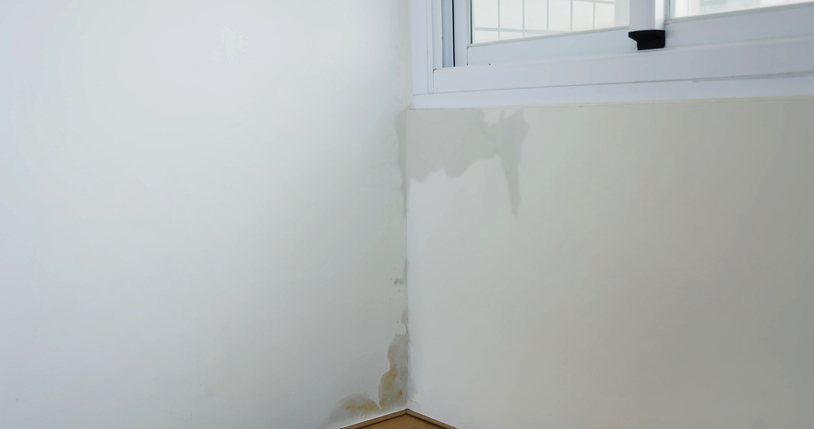
If you’re not sure whether your basement can hold up during one of these floods, it’s time to take a closer look. Start by walking the interior and exterior of your basement after a rainstorm. Even a small puddle forming near the foundation can be a red flag. Look for signs like damp walls, dripping near joints, old water marks, or crumbling concrete. These are all clues that past water got in and might do it again.
Here are a few common warning signs and weak points to pay attention to:
1. Small cracks in concrete walls or floors
2. A musty or damp smell, especially near corners or behind stored items
3. White chalky streaks known as efflorescence, left behind when basement walls seep moisture
4. Rust on appliances or metal fixtures stored in the basement
5. Mold or mildew in places you didn’t expect
6. Water pooling near the foundation after rain
On the outside, check the soil grading. It should always slope away from the house so rainwater naturally drains into the yard rather than toward your home. Gutters and downspouts should aim at least six feet away from the base of your foundation. If they lead right into the ground or pool near the edge, that water could end up inside.
Spending time inspecting before the season picks up gives you a chance to discover weak points early. If you spot anything suspicious, don’t ignore it. Small water entry points can turn into major problems during fast-moving storms. Even a tiny leak today might let in gallons tomorrow if the conditions change.
Prevention and Protection Strategies
Keeping your basement dry during flash floods takes some planning. Start with basic waterproofing measures. Seal any visible cracks in walls and floors with the right sealants. This blocks water and helps the rest of your protection efforts work better. Next, consider installing a sump pump. This machine can quickly remove built-up water, keeping your basement from flooding. A backup for your sump pump, usually battery-powered, will keep it running even during a power outage.
You may also want to add a backwater valve, which prevents sewage from coming back into your basement during heavy rains. In neighborhoods that experience strong downpours, this can make a big difference. Outside, choose landscaping that helps. Go with native plants with deep roots and lay down thick mulch. These slow the movement of water and reduce how much flows toward your basement. Make sure the soil slopes away from your home.
Pay attention to your gutters and downspouts too. Keep them clean and make sure all water flows away from your foundation. Downspout extensions can help send water farther out into the yard. You might even add rain barrels to collect water runoff and reduce the amount that could drain toward your home.
Emergency Preparedness
It helps to stay calm and coordinated when heavy rain hits. Having an emergency flood plan ready goes a long way. First, set up a plan to communicate with your family. Everyone should know the meeting spot and emergency contact numbers. Then, prep your emergency supply kit with flashlights, batteries, first aid supplies, drinking water, and a stock of ready-to-eat food.
If you get a flash flood warning, don’t wait. Move valuable items upstairs if you can. Unplug electronics and pay careful attention to how water is flowing around your home. Look at drains and step-down window wells to see if water begins to gather. If water starts entering, take pictures of the damage. These can help you speed up the process when filing insurance claims later on.
Partnering with Professionals
It’s a smart move to bring in professionals before and after a flood risk, not just when disaster has already hit. Expert help makes sure problems get fixed the right way the first time. They can assess your basement, find leaks or faulty parts, and recommend exactly what should be done. For people living in Vancouver, professional water damage restoration can also cut down recovery time and reduce the long-term cost of repairs.
When hiring a local team, try to pick one with a strong record serving homeowners in the area. Ask neighbors about their experiences. Go with someone who offers emergency services and has real experience handling systems in Vancouver’s older and newer buildings. That kind of firsthand knowledge of the region’s weather and sewer systems can make a difference in keeping your home dry.
Keeping Your Basement Safe Through Every Season
Flood prevention doesn’t end when the storms do. To avoid surprise damage, take steps all year. Keep gutters and downspouts clean and firmly in place. During dry spells, check your sump pump and backwater valve to be sure they still work. Look for new cracks in the foundation and have them sealed before they grow. Staying ahead of problems usually means cheaper fixes and less hassle.
Every season should include a quick inspection. In spring and fall, trim plants and clean up yard debris to improve drainage. When summer begins, recharge sump pump batteries and make sure your drains are clear. A little preparation during the off-season keeps things from getting out of hand during the first big wave of summer rain.
Even in a place like Vancouver that’s no stranger to heavy summer storms, you can protect what matters by being watchful and prepared. Keeping your basement dry takes work, but done properly, it saves you from bigger repairs later on. With the right steps, support, and focus, your home can stay ready—even when the forecast isn’t.
Protecting your home from flash floods may seem overwhelming, but it’s manageable with the right steps and support. By staying proactive and tackling challenges head-on, you can minimize potential damage. For added peace of mind, consider our trusted water damage restoration in Vancouver services. DryWorx Water Damage Restoration is here to help keep your basement and home safe, no matter what the forecast holds.
Secure your home from unexpected flash floods by taking proactive steps today. DryWorx Water Damage Restoration is committed to helping keep your basement and entire property safe with expert guidance and support. Trust our effective solutions for peace of mind and minimize potential risks. Explore our comprehensive storm damage restoration services in Vancouver to find the best protection for your home.