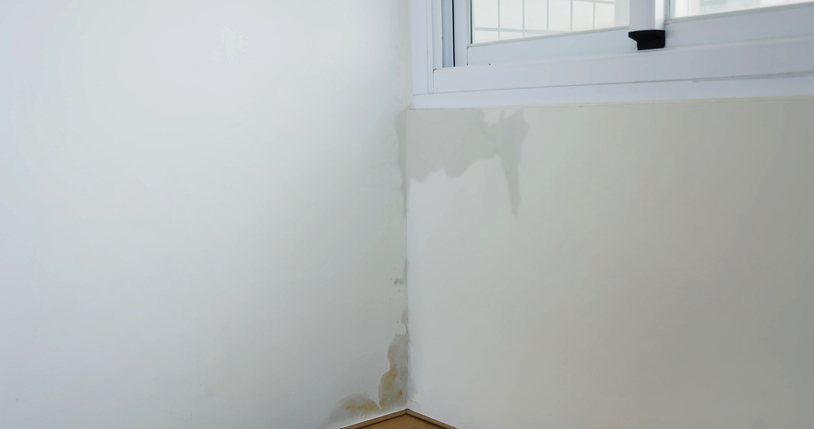
Keeping window sills and tracks mold-free is an important part of maintaining a healthy home. Mold can start as tiny, unnoticeable patches but quickly become a bigger problem if ignored. These areas are particularly prone to mold growth because they can trap moisture, which creates an ideal environment for mold to thrive. This not only affects the look of your windows but can also lead to health issues for those living in the home. Regular cleaning and maintenance help prevent these unwelcome spots from taking hold, keeping your home both healthy and pleasant to be in.
In Vancouver, Washington, the climate adds an extra layer of challenge. The area’s humid weather conditions make window sills and tracks even more susceptible to mold buildup. As windows get wet and dry with the passing rains, they can offer mold the perfect breeding ground. Understanding how to combat and remove mold effectively keeps window areas clean and safe, providing peace of mind for homeowners who love their homes fresh and free of harmful growth.
Identifying Mold on Window Sills and Tracks
Recognizing mold on your window sills and tracks is sometimes straightforward but can be tricky if it starts in hidden spots. Mold often appears as dark spots or streaks that might look brown, green, or black. They can be fuzzy or flat, depending on the type of mold. Sometimes, you might notice a musty smell even before you see any visible signs.
Here are a few common signs and places to check for mold:
– Spotting: Look for discoloration on the edges and corners of window sills. Black or green patches are typical indicators.
– Odor: If there’s a persistent musty smell near a window, check around for unseen mold.
– Water Damage: Check for warping or water stains, as these often accompany mold growth.
The usual causes of mold in these areas include condensation and water leaks that aren’t quickly dried up. Without proper airflow, dampness lingers, making it easy for mold to grow. Sometimes, poor caulking or sealant can allow rain to seep in, compounding the problem. To catch mold early, it’s wise to regularly inspect areas that stay damp or have less airflow. Hidden spots like under the tracks or in the corners can easily host mold if they aren’t routinely checked.
Vancouver’s humid climate doesn’t make it any easier, so staying alert to these signs can help you address small issues before they grow into bigger ones. By keeping an eye out and understanding what to look for, you can keep your windows clean and mold-free.
Steps For Safe Removal Of Mold
When it’s time to tackle mold, safety should be your top priority. Mold spores can cause health issues, so it’s important to prepare properly before you start cleaning. Use gloves, goggles, and a mask to protect yourself from inhaling spores or coming into contact with mold. Wear old clothes that you can wash immediately after the cleanup.
To remove mold from window sills and tracks, follow these steps:
1. Gather Supplies: Have a bucket, scrub brush, mild detergent, and clean cloths on hand. For severe cases, you might need a household cleaner specifically designed for mold.
2. Ventilate the Area: Open windows to promote airflow while cleaning.
3. Apply Soap Solution: Mix water with a mild detergent or an environmentally-friendly cleaner, then apply it to the moldy areas and let it sit for a few minutes.
4. Scrub Gently: Using a soft brush, scrub the mold spots gently to avoid spreading the spores.
5. Rinse and Dry: Use a damp cloth to rinse away any soap residue, and dry the area thoroughly.
Consider eco-friendly solutions such as vinegar or baking soda that can be effective against mold while being gentle on the environment. Avoid mixing chemicals like bleach and ammonia, which can be harmful.
Preventing Future Mold Growth
Once the mold is gone, taking steps to prevent its return is key. The best way to keep your window sills and tracks mold-free is to maintain a dry, well-ventilated environment. Simple actions can make a big difference:
– Control Moisture: Wipe down windows after it rains, and run a dehumidifier in damp rooms. Growth does not thrive in dry places.
– Use Mold-Resistant Products: Apply mold-resistant sealants and paints to window areas to add an extra layer of protection.
– Regular Cleaning: Establish a routine for cleaning windows and tracks to prevent dust and dirt from accumulating, which can provide a base for mold.
Regular maintenance is important. Fix any leaks or condensation issues around windows promptly. Replace old, failing window seals to block out unwanted moisture. By staying one step ahead, you can keep your space mold-free.
When To Call a Mold Remediation Company
Sometimes, despite your best efforts, mold might persist. If you notice more extensive damage or suspect hidden mold, it’s best to consult professionals. Large areas of mold or mold that recurs even after cleaning should be examined by experts. Here are some reasons to call in professionals:
– Health Concerns: Persistent or severe mold problems can impact air quality.
– Hidden Mold: Professionals can spot and address mold in non-obvious places.
– Extensive Damage: Large mold infestations may require specialized equipment and expertise.
If you’re unsure about the severity of your mold problem, get an assessment from a local remediation company. They’ll provide guidance and take the necessary steps to ensure your home remains safe and comfortable.
Keeping A Healthy Home
By staying vigilant and addressing mold early, you help ensure a healthy and safe home environment. Regular checks and proactive maintenance can prevent tiny spores from turning into big problems. Embrace these preventive steps to keep your living space fresh and free from unhealthy mold, offering peace of mind and a comfortable home for you and your family.
If window mold keeps coming back no matter how often you clean, it might be time to bring in professional help. A qualified mold remediation company can handle the problem safely and thoroughly before it spreads. DryWorx Water Damage Restoration is here to help protect your Vancouver home and keep it comfortable year-round.