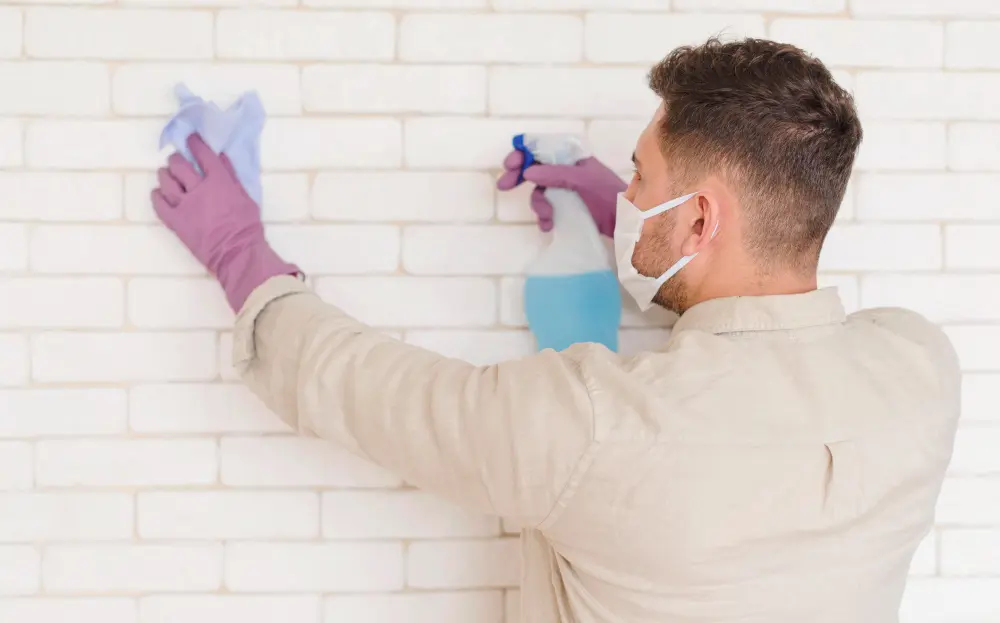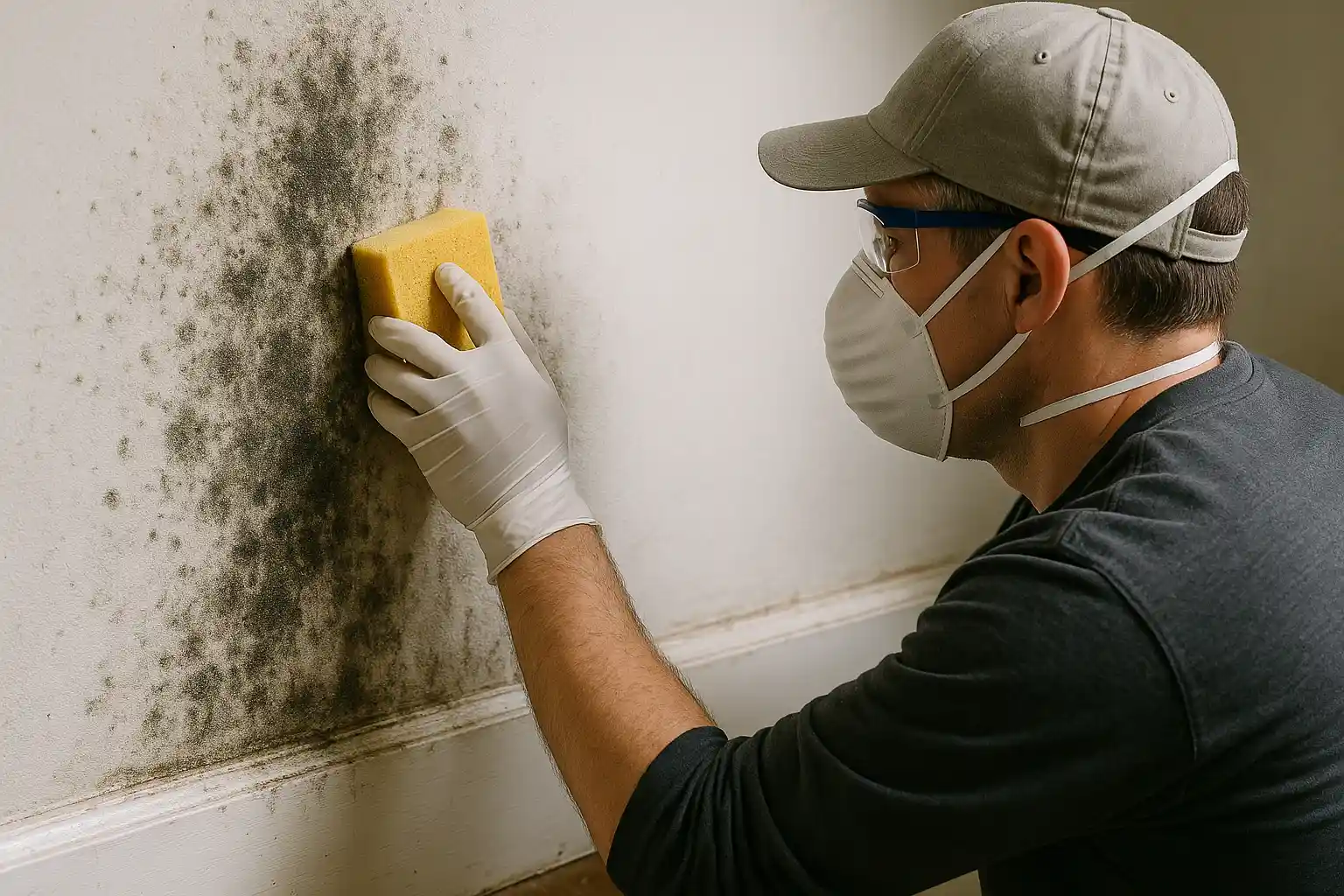
Mold growing under vinyl flooring after a leak can be a sneaky and stubborn issue. Vinyl is popular for its durability and waterproof nature, but when water seeps underneath following a leak, it creates a perfect environment for mold growth. This problem can gradually affect the integrity of your floor and potentially pose health risks to those in the space. Addressing mold the moment it appears is an absolute must to prevent long-term damage and ensure a healthy, safe environment for everyone.
The importance of acting swiftly when dealing with mold cannot be overstated. Allowing mold to fester under your floors compromises air quality and might lead to costly repairs down the line. Remediation plays a key role in resolving underlying issues and protecting the health of everyone in your home or business. For folks in Vancouver, where the climate can promote mold growth, being proactive is even more critical.
Recognizing Signs of Mold Under Vinyl Flooring
Spotting mold under vinyl can be tricky since it’s often hidden out of plain sight. Knowing what to look for can make all the difference in catching a budding issue before it spirals. Here are common signs that might point to mold lurking beneath your flooring:
– Musty Odors: Unpleasant smells without an obvious source could indicate a mold problem.
– Discoloration: Any strange stains or dark spots appearing on the vinyl or nearby walls might be mold.
– Warping or Lifting: If your floor seems uneven or is starting to peel, it might mean water has seeped through, inviting mold.
– Increased Allergies: If family members or employees suddenly experience unexplained allergic reactions, mold might be the culprit.
Leaks are a common precursor to these issues, leading to trapped moisture under the surface that encourages mold growth. Quick detection is key to addressing these concerns effectively. The sooner you identify the signs, the easier and less expensive the remediation process will be. Remaining vigilant and routinely checking for changes will help you stay ahead of potential problems.
Effective Steps for Mold Remediation
When mold is lurking under your vinyl flooring, tackling the issue methodically ensures it’s properly resolved. Here’s a practical guide to addressing mold under vinyl:
1. Assess the Situation: Before starting any remediation, identify the extent of the mold. This typically involves lifting parts of the vinyl to look underneath, a task best carried out with protective gear to avoid inhaling spores.
2. Gather Necessary Equipment: You’ll need gloves, masks, and eye protection, as well as tools like pry bars and scrapers to carefully remove affected flooring. Cleaners with mold-killing agents are essential.
3. Remove Affected Areas: Begin by removing sections of the vinyl flooring around the mold-affected zones. Be gentle during this process to prevent worsening the problem or damaging more flooring than necessary.
4. Clean and Disinfect: Once the mold is exposed, clean the area thoroughly using mold removal products. Disinfect to ensure all mold cells are eradicated and follow with a drying process to remove any remaining moisture.
5. Repair and Restore: Replace the removed flooring with new vinyl, ensuring it’s sealed to prevent future water penetration. Verify that there are no persistent leaks before installation.
Having a professional manage this process ensures thoroughness and reduces health risks. They have the tools and know-how to efficiently restore floors without spreading mold spores further.
Preventative Measures to Avoid Future Mold Issues
Once you’ve managed the immediate problem, taking preventative measures will help avert future occurrences. Routine inspections become key to sustaining a mold-free environment.
– Regular Inspections: Regularly check for leaks in areas like kitchen sinks and bathrooms. Keeping a keen eye out allows for early detection of moisture build-up.
– Timely Repairs: Address leaks or water issues promptly to stop new mold spores from taking root in your flooring. Swift action protects your home investment and health.
– Improving Ventilation: Ensure your home is well-ventilated. Use fans or dehumidifiers in areas prone to dampness. Proper humidity control prevents mold from thriving.
By combining these proactive steps with your awareness of mold’s warning signs, your living space will remain safe and comfortable.
Maintaining a Mold-Free Environment in Vancouver
Vancouver’s wet climate can often elevate mold concerns, making vigilance even more vital. Frequent rainfall adds another layer of complexity, necessitating local solutions for optimal results.
– Understand Local Challenges: Mold loves moist environments common in Vancouver. Identifying how local weather influences indoor conditions is crucial.
– Seek Local Assistance: Engage with local professionals familiar with Vancouver’s mold challenges. Their expertise is tailored to the region’s specific conditions.
Having ongoing professional support and performing regular checks are effective ways of maintaining a healthy living environment. Leveraging local knowledge can be particularly beneficial in addressing mold worries unique to Vancouver.
Ensuring a Clean and Safe Living Space
It’s crucial to address mold issues as soon as they arise, as this will keep your home both safe and pleasant. Prompt action not only prevents larger expenses but also protects the health of everyone in the house. Regular checks and a proactive mindset significantly contribute to a healthy home.
Incorporating professional advice and consistent practices makes it easier to maintain a mold-free home. Taking these steps ensures your floors and air quality stay pristine, fostering a safe place for you and your loved ones.
Don’t let mold under your vinyl flooring jeopardize your health and home. For effective solutions tailored to Vancouver’s climate, trust the team at DryWorx Water Damage Restoration. Our specialists are experts in mold remediation services, ensuring thorough removal and preventing future occurrences. Reach out today to maintain a safe, dry, and healthy living space all year round.