Sewage Clean up Vancouver WA demands swift, methodical response to protect health, property, and peace of mind. This guide outlines every stage of Sewage Clean up Vancouver WA—from initial assessment to full restoration—so homeowners and property managers understand what to expect. With detailed insights into equipment, safety protocols, and best practices, readers will grasp why professional teams handle wastewater emergencies. By following these recommendations, Vancouver residents can minimize risks, control costs, and restore their homes to a safe, habitable condition.
What is Vancouver’s wastewater system?
Vancouver’s municipal wastewater infrastructure spans nearly 791 miles of sewer mains and 48 pump stations, managed collaboratively by the City of Vancouver Public Works and the Clark Regional Wastewater District. These pipelines convey sanitary sewage from residential, commercial, and industrial zones to two treatment facilities recognized for environmental excellence. The treatment plants use primary, secondary, and tertiary processes—screening, biological oxidation, and disinfection—to ensure effluent meets state discharge standards overseen by the Washington Department of Ecology. Understanding this network clarifies why backups occur when lines become blocked or overwhelmed by storm flow.
Municipal teams conduct routine inspections using CCTV pipe cameras and flow meters to detect cracks, root intrusion, and sediment buildup. Pump stations lift sewage through gravity-fed mains, reducing the risk of surface flooding. However, aging pipes, unauthorized connections, and extreme weather events can strain the system, leading to backups in basements, crawlspaces, and finished areas. Recognizing the scale and complexity of Vancouver’s wastewater system underscores the importance of professional intervention when sewage escapes its intended channels.
How does the sewage clean up Vancouver WA process work?
Immediately after a sewage event, a trained restoration crew implements the Sewage Clean up Vancouver WA protocol to contain hazards and restore safety. Teams follow a structured workflow that includes assessment, extraction, removal, cleaning, drying, and repair. This systematic approach minimizes health risks from bacteria and viruses, prevents secondary water damage, and helps property owners comply with local health and disposal regulations. A transparent process ensures clear communication about scope, timing, and costs throughout the project.
Every step leverages specialized gear—from high-capacity pumps and HEPA-filtered vacuums to EPA-registered disinfectants and industrial dehumidifiers. Technicians wear full-body PPE, including respirators and chemical-resistant suits, to block contact with Category 3 wastewater. By adhering to IICRC S500 standards for water damage restoration and S520 for mold remediation, professionals guarantee that the cleanup meets rigorous guidelines for safety and effectiveness.
Initial assessment and safety precautions
The cleanup begins with a thorough site inspection. Technicians identify the sewage source—be it a sewer line backup, a cracked pipe, or external flooding—and determine the wastewater category. Category 3 (“black water”) poses the highest health risk due to pathogenic bacteria, viruses, and parasitic organisms. The crew isolates the contaminated zone using plastic sheeting, containment barriers, and negative air chambers to prevent cross-contamination. Electrical hazards are addressed by shutting off power to affected circuits before any water removal.
At this stage, project managers document conditions with photos and moisture readings to inform insurance claims and restoration plans. A detailed work scope outlines material removals, equipment needs, disposal protocols, and safety measures. Homeowners receive an itemized estimate describing labor hours, crew size, and specialized equipment costs. Clear communication at this juncture ensures clients understand each phase and associated responsibilities.
Water extraction
With safety protocols in place, technicians deploy submersible pumps, trash pumps, and HEPA-filtered extraction vacuums to remove standing sewage. Powerful pumps clear deep water fast, while wand attachments on vacuums capture slosh-level residue from floors, grout lines, and subfloor cavities. The extracted liquid is contained in DOT-approved holding tanks for proper disposal at licensed wastewater treatment plants. Rapid extraction reduces the chance of structural materials soaking up contaminants and accelerates subsequent cleaning stages.
Monitoring moisture levels with thermal imaging cameras and moisture meters guides real-time adjustments. If sewage has penetrated porous surfaces or subfloor spaces, technicians use specialized injecti-dry systems to flush and extract trapped fluids. This dual-action technique flushes contaminants from deep within materials, then vacuums them out, ensuring a more thorough removal than surface vacuuming alone.
Removal of contaminated materials
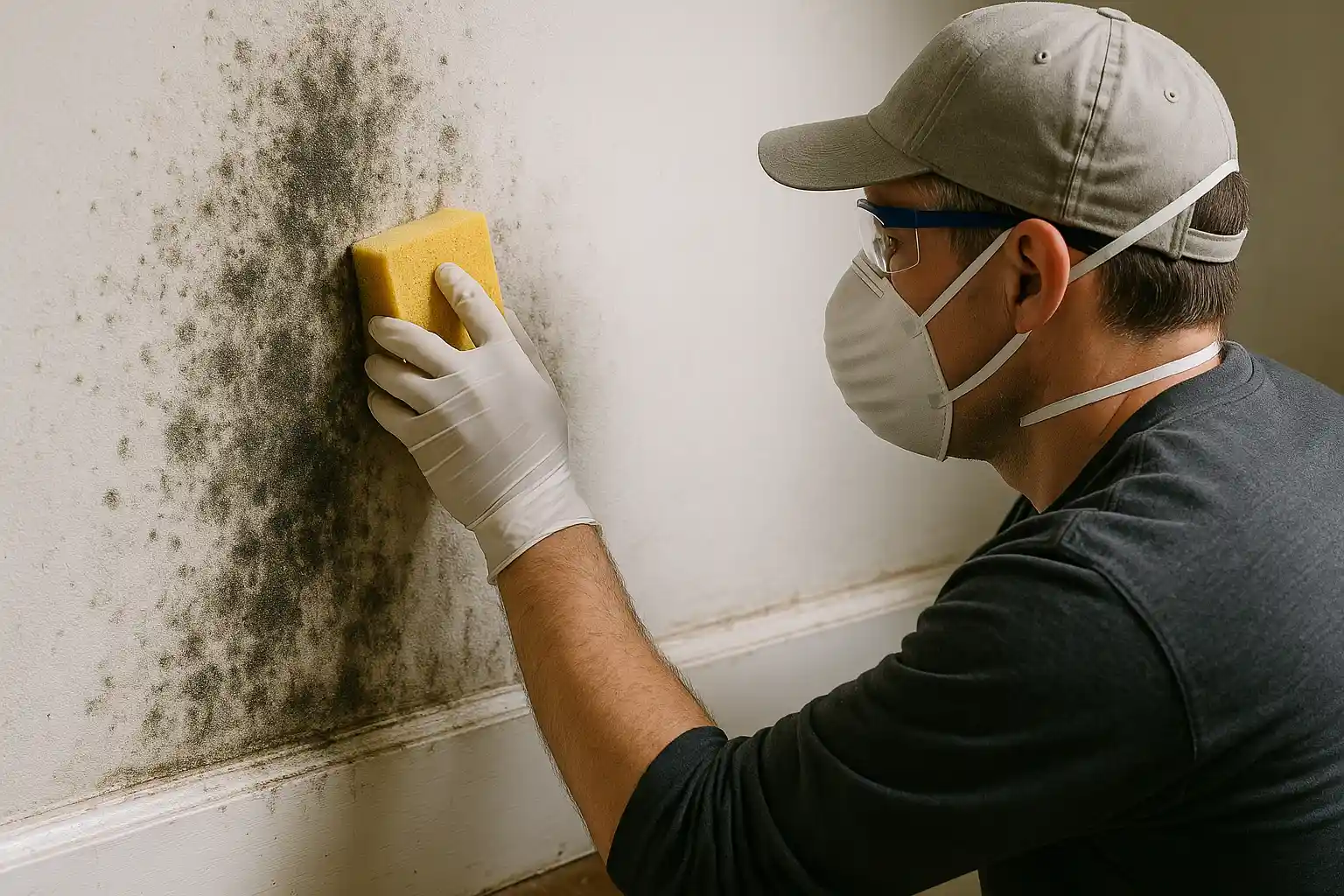
Porous building materials exposed to black water—carpet, padding, insulation, drywall, and even structural wood—are often unsalvageable. Professionals cut and bag affected drywall up to two feet above the highest moisture line to eliminate any risk of microbial growth. Carpets and padding are removed with carpet kicker tools and forklift-mounted extraction devices in larger spaces. Insulation batts are discarded, and subfloor membranes may require partial replacement depending on absorption.
All waste conforms to OSHA and local health department regulations for biohazardous disposal. Technicians seal debris in labeled, leak-proof bags and transport them to authorized landfill facilities. This rigorous containment prevents pathogen spread and odor issues, while detailed disposal records support environmental compliance and insurance documentation.
Cleaning and disinfection
Post-removal, crews treat every surface with EPA-registered disinfectants proven to neutralize bacteria, viruses, and fungal spores. Technicians scrub concrete slabs, wood joists, metal HVAC ducts, and plumbing fixtures with germicidal detergents. Specialized sprayers and foggers then distribute disinfectant mist into cavities and ductwork, reaching areas manual cleaning cannot access. In high-risk zones, antimicrobial sealants create a barrier against future microbial growth.
Cleaning extends to HVAC systems if airborne contaminants may have circulated through ductwork. Air handlers receive disassembly, sanitized coils, and replacement of filters to restore indoor air quality. Negative air machines with HEPA filtration maintain constant airflow, capturing airborne pathogens and odors throughout the cleaning phase.
Drying and dehumidification
After disinfection, the focus shifts to moisture control. Industrial air movers create high-velocity airflow over wet surfaces, while desiccant and refrigerant dehumidifiers pull moisture from the air and building materials. Hygrometers track relative humidity and moisture content in walls, floors, and ceilings. Technicians strategically position equipment for optimal airflow patterns, often using flex ducts to direct dry air into challenging cavities.
Drying typically takes 24 to 72 hours, depending on ambient conditions and material porosity. Data loggers record environmental conditions every hour, ensuring the structure returns to safe moisture thresholds below 15 percent for wood and 5 pounds of moisture per 1,000 cubic feet of air. Thorough drying prevents mold colonization and stabilizes materials before restoration begins.
Restoration and repairs
Once the property is dry, restoration specialists rebuild the space. This phase may involve installing new drywall, insulation, trim, flooring, and paint. Reconstruction teams follow original design specifications or upgraded materials if homeowners opt for improvements. Plumbing repairs address the root cause—a broken sewer lateral, tree root intrusion, or faulty backflow preventer—to reduce future risks.
Project managers coordinate with licensed plumbers, electricians, and contractors to restore utilities. Final inspections verify that repairs meet local building codes and health department requirements. The property is ready for reoccupation only after passing these checks, ensuring a fully safe and functional environment.
| Cleanup Step | Equipment / Technique | Purpose |
| Initial Assessment | Moisture meters, thermal cameras | Identify contamination extent and hazards |
| Water Extraction | Submersible pumps, HEPA vacuums | Remove standing sewage and water |
| Material Removal | Drywall saws, carpet kickers | Discard unsalvageable porous materials |
| Disinfection | EPA-approved germicides, foggers | Eliminate pathogens and control odors |
| Drying | Air movers, dehumidifiers | Achieve safe moisture levels to prevent mold |
| Restoration | Drywall, insulation, plumbing repairs | Rebuild and return property to pre-loss state |
Why is professional sewer cleanup Vancouver WA essential?
Professional sewer cleanup Vancouver WA teams possess specialized training and certification—such as IICRC S500 and OSHA Hazardous Waste Operations and Emergency Response (HAZWOPER)—to tackle black water safely. This expertise translates into reduced health risks for occupants and restoration personnel. Certified crews understand local health regulations, insurance protocols, and disposal requirements, streamlining the recovery process. Their experience with wastewater cleanup Vancouver WA also minimizes downtime and costs associated with trial-and-error approaches.
Advanced equipment and proven methodologies ensure that every contaminated surface and hidden cavity receives comprehensive treatment. Attempting a DIY cleanup often overlooks microbes lurking behind baseboards, under flooring, or within ductwork, leading to mold outbreaks or lingering odors. Professional interventions not only eliminate visible waste but also address microscopic hazards, giving homeowners confidence in a truly safe environment.
In many cases, insurance policies require documented proof of professional cleanup after sewage incidents. Certified restoration companies provide detailed reports—photos, moisture logs, and disposal manifests—that support smooth claim processing. By investing in expert services, property owners avoid potential denials, litigation over improper remediation, and future health liabilities.
Homeowners faced with raw sewage often search for Sewage Clean up Vancouver WA teams to secure rapid, compliant, and complete recovery solutions. With vetted specialists on site, residents receive clear guidance, airtight containment, and peace of mind knowing their property meets health department standards.
What are common causes of sewage backups in Vancouver WA?
Sewer blockages typically stem from tree root infiltration, grease buildup, and flushing of non-biodegradable items like wipes or sanitary products. Aging infrastructure—cast-iron pipes installed decades ago—can corrode and develop cracks where soil and roots seep in. Heavy rainfall and combined sewer overflow systems may also overwhelm lateral lines, pushing wastewater back into homes and businesses.
Municipal construction or street repairs sometimes disturb sewer mains, causing temporary misalignments and leaks. Unauthorized downspout connections to the sanitary sewer system increase volumes during storms. Finally, mechanical failures—such as worn seals in backflow preventers or broken sump pumps—can allow sewage to flow backward into crawlspaces and basements.
Recognizing these triggers helps property owners and plumbers implement targeted solutions. Regular CCTV inspections can pinpoint intrusion points, while preventive maintenance stops minor clogs before they escalate into full-scale backups.
How can property owners prevent future sewage issues?
Proactive steps reduce the likelihood of backups and safeguard plumbing investments. Regular inspections by a licensed plumber catch early signs of degradation—root intrusion, offset joints, or reduced flow rates. Homeowners should avoid flushing grease, chemicals, and fibrous materials down drains. Installing backwater valves at building drains creates an automatic barrier against reverse flows during heavy rain or municipal surges.
Landscaping choices matter: planting trees and shrubs at least 10 feet from sewer lines minimizes root intrusion risks. Periodic jetting services clean pipes with high-pressure water streams, removing sediment and grease that accumulate over time. Sump pump maintenance—testing float switches and cleaning intake screens—ensures reliable operation during wet seasons.
When urgent guidance is needed, residents can reach out to local experts. For consultations on preventive strategies and maintenance contracts, Contact us to schedule a thorough sewer line evaluation and customized protection plan.
What equipment and technologies are used in wastewater cleanup Vancouver WA?
Modern sewage cleanup teams rely on cutting-edge tools to ensure efficient, thorough recovery. Industrial submersible pumps and trash pumps clear standing wastewater rapidly. HEPA-filtered negative air machines and vacuums capture airborne contaminants and fine particles. Desiccant dehumidifiers pull moisture from low-humidity environments while refrigerant dehumidifiers work best in moderate conditions. Thermal imaging cameras locate hidden moisture behind walls and under floors, guiding targeted drying efforts.
Foggers and ULV (ultra-low volume) sprayers distribute EPA-registered disinfectants into cracks, crevices, and ductwork inaccessible to manual scrubbing. Pipe jetting equipment—powered by truck-mounted or portable units—cleans sewer laterals to restore flow capacity and prevent future backups. Finally, injecti-dry systems flush and vacuum contaminated fluids from porous substrates, ensuring removal beyond surface levels.
By combining these technologies, professionals tackle both visible mess and hidden hazards, restoring properties to safe, dry, and hygienic conditions.
How to choose the right sewage removal services Vancouver WA?
Selecting a reputable provider starts with verifying IICRC certification and local licensing for biohazard cleanup. Companies should carry general liability and environmental liability insurance, demonstrating readiness for emergency response. A transparent pricing model—detailing labor rates, equipment fees, and disposal charges—prevents surprise bills. Rapid response teams offering 24/7 service and direct insurance billing ease logistical burdens on property owners.
Customer reviews and references provide insight into reliability, workmanship quality, and communication standards. A trustworthy vendor conducts on-site evaluations before quoting, supplies clear contracts, and explains each remediation step thoroughly. Local expertise—familiarity with Vancouver’s public works procedures, disposal regulations, and sewer conditions—ensures efficient, code-compliant cleanup.
When expertise matters, homeowners trust DryWorx Water Damage Restoration for comprehensive sewage removal services that blend advanced methodologies with personalized service.
Cost factors in sewer cleanup Vancouver WA
Several variables influence project costs. The volume of contaminated water, severity of material saturation, and level of structural damage dictate labor hours and equipment needs. Complex jobs—such as those requiring injecti-dry treatment, ductwork sanitization, or crawlspace excavation—carry higher rates. Geographic factors, like traffic-related delays and disposal facility distances, also affect pricing.
Insurance coverage often offsets major expenses, though deductibles and coverage limits vary. Some providers assist with claim documentation, maximizing eligible reimbursements. Routine maintenance contracts and service warranties can reduce long-term costs by preventing severe backups and ensuring timely interventions.
| Cost Factor | Impact on Pricing |
| Water volume / Sewage category | Drives pump and disposal fees |
| Affected materials | Determines removal, disposal, and replacement costs |
| Access complexity | Influences labor hours and equipment mobilization |
| Regulatory compliance / Permits | May require additional fees for documentation |
| Emergency response / Off-hours work | Premium rates apply during nights and weekends |
Conclusion
A structured, professional approach to Sewage Clean up Vancouver WA is indispensable for mitigating health hazards, minimizing property damage, and ensuring regulatory compliance. From initial assessment and containment through extraction, disinfection, drying, and restoration, every phase demands technical expertise and certified equipment. Vancouver’s extensive wastewater network and local climatic factors underscore the need for experienced, IICRC-certified teams that understand municipal codes and disposal regulations. By partnering with a reliable provider, property owners safeguard their investments and enjoy peace of mind knowing their home is safe, dry, and fully restored. When facing a sewage emergency, residents can rely on DryWorx Water Damage Restoration for thorough, professional service aligned with industry best practices.
Frequently Asked Questions
What safety precautions should homeowners take after a sewage backup?
Homeowners should evacuate children, pets, and vulnerable individuals, turn off electricity to the affected zone, and avoid direct contact with contaminated water. Ventilating the area and securing the scene until professionals arrive reduces exposure risks.
How quickly must sewage be removed to prevent mold growth?
Sewage should be extracted within 24 hours to minimize mold colonization. Secondary risks such as structural decay and foul odors increase significantly if water remains stagnant beyond this timeframe.
Can homeowners handle small sewage spills themselves?
DIY attempts on Category 3 sewage pose serious health risks and often miss hidden contamination. Professional services ensure thorough removal of pathogens, deep cleaning of affected areas, and proper disposal of biohazardous waste.
Does homeowners’ insurance cover sewage cleanup costs?
Most policies cover sudden, accidental sewage backups but may exclude damage due to neglected maintenance. Policyholders should review their coverage, document damage promptly, and work with certified restorers for claim support.
What preventive measures limit future sewage backups?
Regular plumbing inspections, grease management, installing backwater valves, and keeping trees at a safe distance from sewer lines are key strategies. Scheduled jetting and sump pump maintenance also help maintain unobstructed flow.