A sudden sewage spill can turn a peaceful Vancouver WA home into a hazardous environment within minutes. Sewage Clean up Vancouver WA must begin as soon as possible to minimize health risks, protect structural integrity, and prevent mold growth. When untreated, raw sewage seeps into carpets, hardwood floors, and drywall, creating breeding grounds for bacteria, viruses, and parasites that threaten both people and pets. Understanding the right sequence of safety measures, cleanup steps, and professional considerations empowers property owners to restore their residences efficiently and safely.
What immediate actions should a homeowner take after a sewage spill in Vancouver WA?
Sewage Clean up Vancouver WA begins with swift recognition of the spill’s severity and source. Property occupants should earnestly evacuate the affected zones, keeping children, elderly residents, and pets at a safe distance until the area is stabilized. Turning off electricity in the contaminated sections prevents electrical shock risks when water laced with sewage invades outlets or appliances. Prompt notification of local utility services, including the City of Vancouver’s Public Works Department, ensures that any city-owned sewer main issues or blockages are addressed before internal repairs proceed.
Why is rapid response crucial for sewage spill emergency tips Vancouver WA?
Delays in handling a sewage overflow magnify the scale of damage and amplify health concerns. Flood and sewage damage repair Vancouver WA often involves removing porous materials that have absorbed contaminated water—such as carpet padding, drywall insulation, and upholstered furniture—that cannot be salvaged once sewage has saturated them. Microbial growth begins within twenty-four to forty-eight hours, making mold remediation and antimicrobial treatments more complex, time-consuming, and costly. Rapid action preserves more of the homeowner’s belongings and limits the structural repair scope.
Understanding the health risks associated with residential sewage cleanup Vancouver WA
Exposure to untreated wastewater exposes occupants to a spectrum of pathogenic threats. Sewage water carries bacteria like Escherichia coli and Salmonella, viruses such as Hepatitis A and Norovirus, and protozoa including Giardia and Cryptosporidium. Inhalation of aerosolized sewage droplets from broken pipes or during cleanup can lead to respiratory infections and gastrointestinal illnesses. Those with compromised immune systems, young children, and older adults face heightened vulnerability, which underscores the importance of professional-grade personal protective equipment (PPE) during cleanup.
Initial safety precautions and personal protective equipment
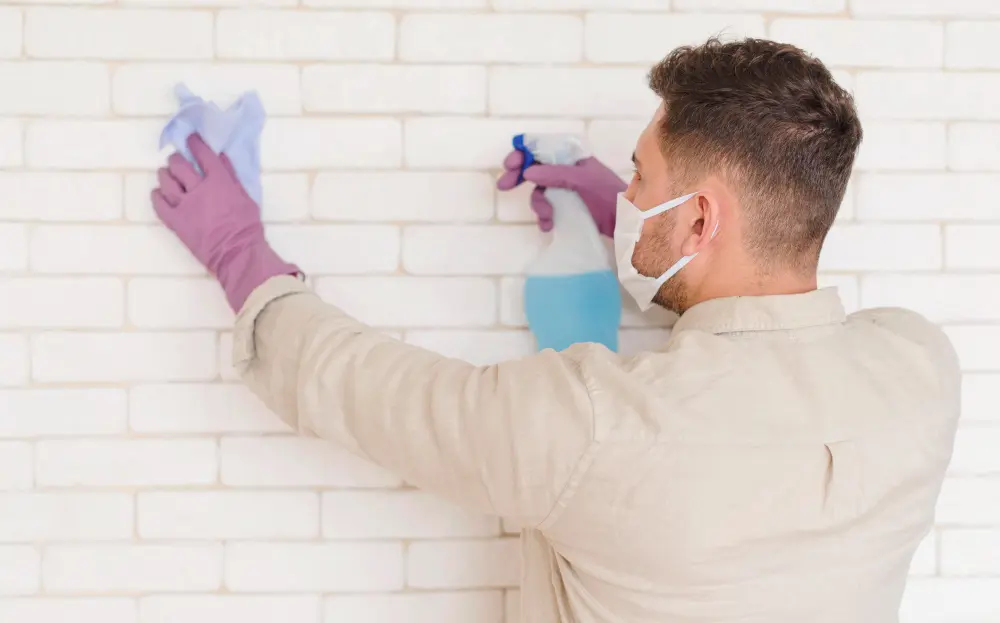
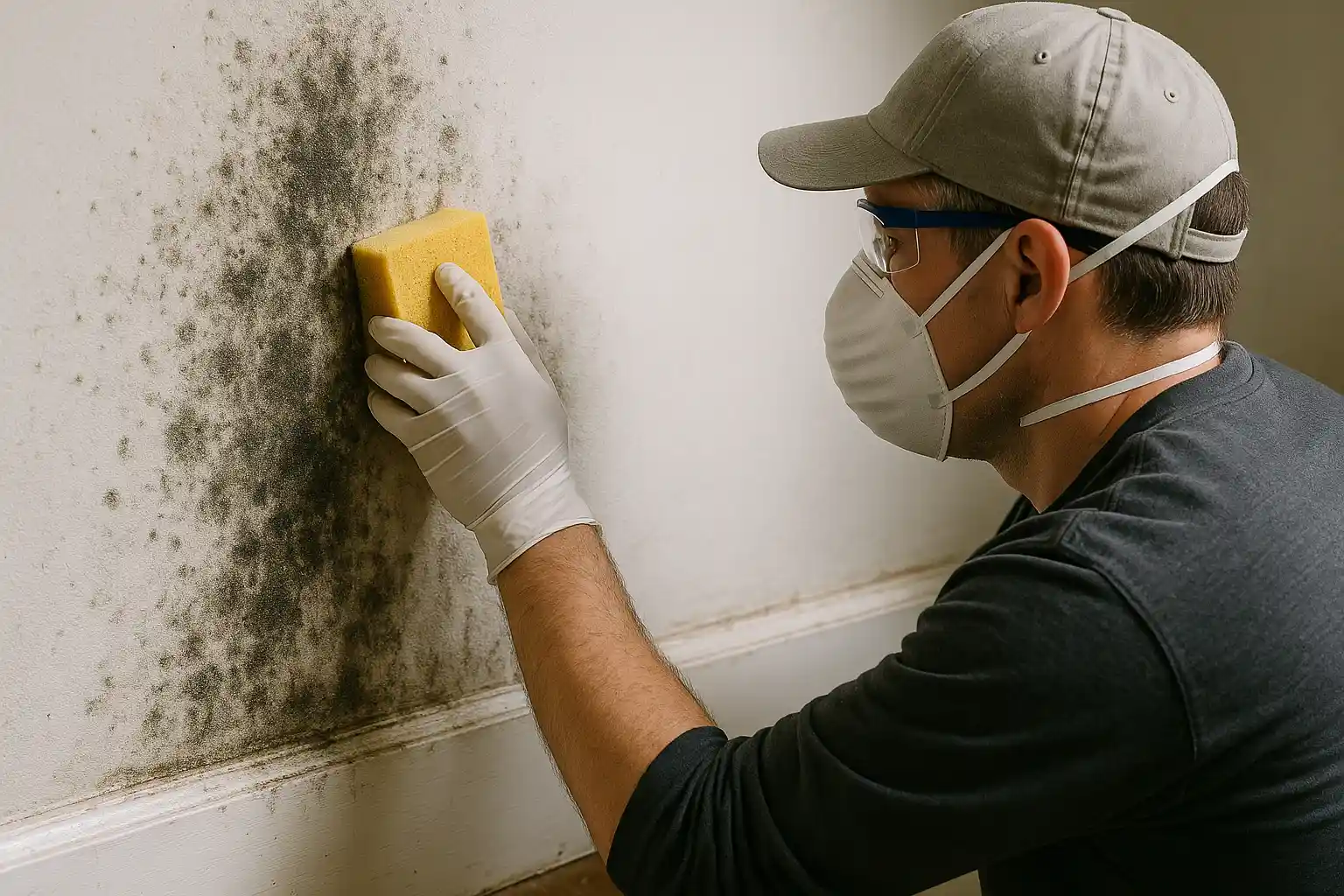
Before any cleanup commences, supervisors should don latex or nitrile gloves, rubber boots, protective eyewear, and N95 or higher-rated respirators. Clothing worn during cleanup must be either disposable or easily laundered in hot water with disinfectant detergent. Keep a decontamination zone at the entrance to the work area: designate a separate mattress bin or plastic tote for PPE removal and sanitization. Disposable coveralls with hood attachments and boot covers further reduce cross-contamination risks when moving between compromised and clean zones.
Assessing the extent of contamination: sewage spill emergency tips Vancouver WA
Qualified technicians or trained homeowners should perform a rapid visual assessment to determine the spill’s origin—whether from a clogged sewer lateral, a backflow event, or a damaged city main. Measuring the spill’s footprint and depth provides data for estimating wastewater volume and identifying materials directly impacted. Walls, flooring, and baseboards that appear discolored, warped, or spongy signal porous material saturation. Documenting these observations with photographs and notes supports insurance claims and guides restoration priorities.
Categorizing sewage contamination levels
Recognizing the contamination category guides appropriate cleanup protocols, chemical treatments, and disposal procedures. The Institute of Inspection, Cleaning and Restoration Certification (IICRC) defines three contamination categories that affect remediation standards.
| Contamination Category | Description | Potential Hazards |
| Category 1 | Clean water from a sanitary source | Minimal risk if addressed immediately |
| Category 2 | Grey water containing detergents and chemicals | Moderate risk; potential to degrade into Category 3 |
| Category 3 | Black water with pathogens, sewage, floodwater | Severe health risk; requires professional handling |
Step-by-step sewage removal process
After securing safety protocols and categorizing contamination, the focus shifts to extracting sewage water and solid waste. Powerful submersible pumps and industrial-grade extraction units remove standing water quickly, while spoons and plastic scoops collect sludge and debris. Vacuum systems with HEPA-filtered exhaust ensure microscopic droplets and odors aren’t dispersed into adjacent rooms. Once major fluids and solids are evacuated, technicians rinse surfaces multiple times with hot water and EPA-registered disinfectants to neutralize residual pathogens.
Drying and dehumidification: preventing secondary damage
Thorough drying prevents mold proliferation and warping of structural materials. Industrial air movers positioned strategically throughout the treated areas accelerate moisture evaporation. Dehumidifiers maintain relative humidity below 40 percent, a threshold that inhibits mold spores from germinating. Moisture meters and thermal imaging cameras provide real-time data to validate drying progress and identify hidden pockets of dampness behind walls or under flooring.
Post-cleanup disinfection and sanitation standards
Following extraction and drying, every exposed surface—from concrete slabs and hardwood to metal ductwork—must be disinfected. Disinfection protocols typically involve a detergent wash followed by a bleach solution (one part unscented household bleach to four parts water) or an approved quaternary ammonium compound. Walls and structural elements are scrubbed thoroughly and allowed to air-dry under enhanced ventilation. HVAC systems serving the contaminated zone should be inspected, and filters replaced or cleaned to remove residual biohazards.
Repairs and restoration after cleanup
Once decontamination confirms safe conditions, repair efforts restore home functionality and aesthetics. Licensed contractors remove and replace structural components irreversibly damaged by sewage exposure—such as rotted floor joists, mold-infested drywall, and compromised insulation. Flooring professionals install new subflooring, hardwood planks, or tile, ensuring adhesives and underlayment meet moisture-resistance standards. Painters apply mold-inhibiting primers and finish coats to walls before homeowners reinstall cabinets, countertops, and trim.
When should a homeowner call professional sewage cleanup services?
Even minor backups can escalate quickly into Category 3 emergencies if not addressed by certified technicians. Homeowners should dial emergency water damage hotlines when raw sewage contacts HVAC intakes, enters living spaces via multiple points, or flows through structural cavities inaccessible for sight. Professionals bring specialized equipment—such as truck-mounted extraction units, moisture mapping tools, and antimicrobial foggers—that accelerate remediation. Most importantly, they carry liability insurance, minimizing financial exposure for property owners if complications arise.
Comparing professional versus DIY sewage cleanup
Property managers weighing DIY against professional services should consider the magnitude of risk, cost variables, and liability concerns. Attempting cleanup without industry-grade PPE, specialized machinery, or regulatory knowledge can leave hidden contamination in place, leading to chronic mold outbreaks and structural deterioration. Professionals adhere to OSHA and CDC guidelines, ensure waste disposal per local environmental regulations, and issue detailed clearance reports. These deliverables prove invaluable to insurers and future buyers, reducing legal disputes over water damage disclosures.
How to choose the right sewage cleanup contractor in Vancouver WA
A reputable remediation firm demonstrates IICRC certification, offers 24/7 emergency response, and visibly adheres to local permitting and disposal ordinances. Reading customer testimonials and verifying license numbers with the Washington State Department of Labor & Industries adds an extra layer of due diligence. Transparent pricing—itemized by labor hours, equipment rental, and material costs—prevents unforeseen fees. Technicians should perform a no-cost, on-site inspection within hours of the initial call, setting realistic timelines and budgets for both immediate cleanup and long-term repairs.
Budget considerations for flood and sewage damage repair Vancouver WA
Cleanup costs vary based on contamination category, square footage, and drying time required. Basements drenched with sewage from broken sewer mains typically command higher rates due to enclosed spaces and increased equipment needs. Insurance policies may cover Category 3 events under water damage provisions, but deductibles and limits apply. Homeowners should document every expense—from PPE gloves and disinfectants to licensed plumber invoices—in order to maximize claim reimbursements.
Preventing future sewage spills: proactive maintenance tips
Routine inspections of sewer laterals, sump pumps, and backflow prevention valves detect vulnerabilities before they result in overflows. Video camera inspections can identify tree root intrusion, pipe cracks, or misaligned joints along service lines. Installing a backwater valve on the main sewer line prevents sanitary wastewater from reversing course during municipal mainline backups. Seasonal cleaning of filters, strainers, and traps reduces the accumulation of hair, grease, and sediment that commonly cause residential blockages.
Regulatory and environmental considerations
Homeowners must comply with Vancouver’s stormwater regulations when disposing of contaminated effluent, as illicit discharge into storm drains carries stiff penalties. The City of Vancouver Public Works Department mandates that sewage water be collected and transported to approved wastewater treatment facilities. Violations of Washington State Department of Ecology guidelines for hazardous spills may incur fines or cleanup orders. Certified remediation firms handle these permits, ensuring that waste removal aligns with state and federal environmental protection statutes.
Essential entities and agencies in Vancouver WA sewage response
Navigating a sewage emergency involves coordination among key stakeholders. The Vancouver City Public Works Department manages municipal sewer mains and pump stations, while Clark Regional Wastewater District oversees wastewater treatment plant operations. Licensed plumbers contracted by homeowners address private service lateral repairs. IICRC-certified restoration companies execute decontamination protocols, and local health departments provide guidance on communicable disease prevention.
Industrial equipment and technology in modern sewage cleanup
Advances in remediation technology—like hydroxyl generators, ULV dry foggers, and ozone units—offer powerful pathogen neutralization without compromising materials. Thermal imaging cameras reveal moisture hidden in structural cavities, guiding targeted drying strategies. Truck-mounted water extractors pull hundreds of gallons per minute, drastically reducing downtime. Data-logging dehumidifiers adjust output automatically based on real-time humidity readings, ensuring efficient moisture control.
Integrating mold prevention into sewage remediation
Mold spores arrive on the scene within hours of a sewage spill and flourish on damp cellulose materials. Antimicrobial sealants applied to structural wood and drywall surfaces create a protective barrier against fungal colonization. HEPA-filtered air scrubbers capture airborne mold spores during cleanup. Post-remediation testing, including spore trap sampling and air quality assessments, confirms that indoor environments meet acceptable microbial thresholds.
Insurance protocols and documentation
Comprehensive insurance claims require detailed inventories of damaged items, repair invoices, and professional clearance certificates. Restoration firms can supply moisture maps, project logs, and before-and-after photographs that substantiate the scope of work. Policyholders should review their home insurance declarations to understand coverage limits for sewage backups and mold remediation. Engaging contractors with direct billing arrangements prevents homeowners from facing large out-of-pocket expenses.
Common misconceptions about sewage cleanup
A pervasive myth asserts that household bleach alone can render a home safe after a major spill. In reality, bleach solutions degrade within hours and cannot penetrate porous building materials fully. Another misconception claims that opening windows and fans is sufficient drying; without industrial dehumidifiers, humidity lingers behind walls and under floors. Lastly, some homeowners believe that salvaging soaked carpets is cost-effective; in Truth, replacement is often faster, more hygienic, and ultimately less expensive when factoring in hidden mold and lingering odors.
Case study: rapid response saves a Vancouver WA basement
In a recent incident on the east side of Vancouver, municipal sewer main corrosion led to a Category 3 overflow in a finished basement. Within ninety minutes of the homeowner’s call, technicians deployed submersible pumps, HEPA vacuums, and antimicrobial foggers. The team extracted over 2,000 gallons of sewage-contaminated water, completed structural drying in under three days, and restored living space within one week. Early identification of a corroded lateral coupling averted extensive foundation damage, saving the homeowner tens of thousands of dollars in excavation and replacement costs.
Environmental and public health collaborations
During large-scale spills affecting multiple properties, Dry weather and storm season coordination between Clark County emergency management and local health officials ensures adequate resource allocation. Public advisories may recommend boil-water notices or temporary restrictions on yard water use if contaminants reach groundwater or potable supplies. Certified remediation specialists liaise with health inspectors to validate that residences meet sanitation standards before reoccupation.
Sustainable practices in sewage remediation
Modern restoration firms emphasize sustainability by recycling water when feasible, selecting less toxic cleaning agents, and disposing of waste through licensed facilities. Many providers donate salvageable materials, such as undamaged studs and studs, to recycling centers. Locally sourced disinfectants with biodegradable formulas reduce ecological footprints while maintaining efficacy. Electronic documentation systems minimize paper waste during project reporting.
How to verify cleanup completion and clearance
Homeowners should request a final clearance report that documents pre- and post-remediation moisture levels, microbial test results, and photographs of each major step. Third-party industrial hygienists can perform post-cleanup air and surface sampling to confirm that the environment meets ANSI/IICRC S500 standards. These objective assessments protect occupants from lingering biohazards and support insurance and real estate disclosures.
Integrating flood and sewage damage repair Vancouver WA into home resilience plans
Comprehensive home resilience extends beyond isolated cleanup efforts. Property owners can elevate floor finishes to tile or sealed concrete in basements, install sump pumps with battery backups, and upgrade to sealed perimeter drains. Backflow prevention devices and smart sensors offer automated responses to rising sewage levels. When integrated into a broader emergency preparedness plan, these measures reduce recovery times and long-term maintenance costs.
Industry partnerships and certifications
Choosing a remediation firm affiliated with organizations like the Restoration Industry Association (RIA), the Institute of Inspection, Cleaning and Restoration Certification (IICRC), and the American Society of Home Inspectors (ASHI) demonstrates commitment to best practices. Certified technicians undergo rigorous training in advanced pathogen control, structural drying science, and indoor air quality management. These affiliations grant homeowners peace of mind through adherence to the latest safety protocols and technical standards.
Resident education and awareness programs
Municipalities and restoration specialists often collaborate on community workshops that teach homeowners about proper waste disposal, grease management, and tree root monitoring. Providing brochures, short online seminars, and Q&A sessions fosters proactive maintenance, reducing the likelihood of sewage emergencies. Participants learn how to spot early warning signs—such as slow drains, gurgling sounds, and foul odors—before backups develop into severe overflows.
Key takeaways for immediate sewage spill response
An organized, knowledge-based approach transforms a chaotic spill into a manageable restoration project. Immediate evacuation, electrical shutdown, and spill source identification initiate the recovery chain. Categorizing contamination guides equipment needs and safety protocols. Rapid extraction, drying, and disinfection reestablish clean, habitable conditions. Finally, strategic repairs, preventive upgrades, and thorough documentation ensure long-term resilience against future events.
In narratives of successful remediation, many Vancouver residents testify that swift action, professional involvement, and adherence to industry standards make all the difference. Homeowners who delay risk escalating expenses, hidden mold, and irreversible structural harm. By embracing a systematic cleanup framework—rooted in safety, speed, and scientific rigor—property recovery becomes as efficient as possible.
Following a sewage spill in Vancouver WA, property owners interested in comprehensive Sewage Clean up Vancouver WA solutions can rely on certified professionals to restore their homes to pristine condition.
When faced with overwhelming cleanup tasks or complex structural repairs, residents should not hesitate to Contact us for immediate guidance, transparent estimates, and 24/7 emergency response.
For a blend of experience, cutting-edge remediation technology, and unwavering customer care, turn to DryWorx Water Damage Restoration, the trusted name in water, flood, and sewage recovery services.
Frequently Asked Questions
What qualifies as a Category 3 sewage spill?
A Category 3 spill, often called black water, contains untreated sewage, floodwater, and pathogens. It typically originates from broken sewer mains, city system backups, or standing floodwater, posing serious health hazards and requiring professional remediation.
How long does it take to dry and dehumidify a contaminated basement?
Under optimal conditions, industrial drying and dehumidification can take three to seven days. Factors such as ambient humidity, floor type, and airflow patterns influence drying timelines.
Will homeowners insurance cover residential sewage cleanup Vancouver WA?
Coverage depends on policy language. Many standard homeowners policies exclude sewer backups unless an add-on endorsement is in place. Policyholders should review their declarations page and speak with their insurer about backup coverage.
Can mold grow after sewage cleanup is finished?
Without thorough moisture removal and antimicrobial treatments, mold can emerge weeks later. Certified remediation firms employ moisture meters, thermal scans, and antimicrobial encapsulants to prevent post-cleanup mold outbreaks.
Are DIY sewage cleanup kits effective for small blockages?
For minor clogs and slow drains, commercial enzymes and mechanical augers can help. However, any contact with raw sewage should prompt professional assessment to ensure complete decontamination and avoid hidden contamination issues.