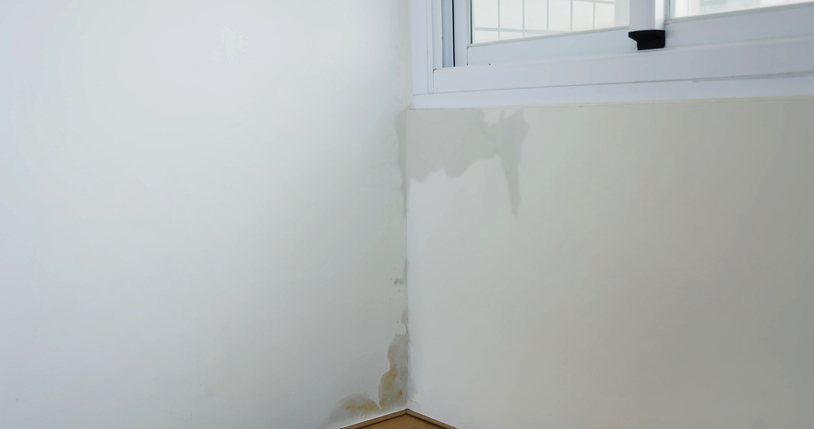
Water damage in multi-story buildings often comes with added layers of trouble. Anything from a burst pipe in an upper unit to a roof leak can cause water to travel through floors and walls, affecting more than just one space. Because damage can spread quickly, it’s harder to isolate and fix. Plus, tenants or residents below may not even know there’s a problem forming above them until it’s too late. That delay in detection can lead to more extensive repairs and costlier damage.
In Vancouver, Washington, buildings with multiple units or floors face their own set of issues due to elevation, shared systems, and older infrastructure in some cases. Water doesn’t obey boundaries. It runs where gravity takes it. So if one part of a building has a hidden leak, there’s a good chance surrounding units or lower floors are going to feel the effects. Early detection and fast action are key to keeping water damage from spreading out of control.
Common Causes Of Water Damage In Multi-Story Buildings
Multi-story buildings rely on a wide system of plumbing, HVAC parts, roofing, and structural elements, all working together to stay dry and safe. One failure in this system can set off a chain reaction. Below are some common sources of water damage in these types of structures:
– Plumbing problems: Pipes run through walls, ceilings, and between floors, making it hard to spot leaks early. A broken pipe in one unit often impacts others, especially if it’s in a shared system.
– Roof defects: If the roof has cracks, damaged flashing, or missing shingles, rainwater can easily seep in, especially during the Pacific Northwest’s wet season.
– HVAC system leaks: HVAC units, especially those with indoor air handlers or split systems, pull moisture from the air. Poor drainage or blocked lines can lead to slow but steady leaks.
– Structural wear and tear: Buildings shift and settle over time. Foundation cracks or shifting support beams can break seals or weaken basic defenses against moisture.
A simple upstairs bathroom leak, for example, may not show itself until water drips through a ceiling light fixture downstairs. By then, insulation, flooring, and wall coverings could already be damaged. These kinds of issues highlight how important it is to stay aware of the building’s condition and look for signals of trouble.
Early Detection Of Water Damage
Finding water damage early is one of the best ways to minimize the mess and avoid major disruptions. Paying attention to small details can save a lot of stress. Long before you start seeing puddles or hearing complaints, a building will usually give you subtle signs that something isn’t right.
Some red flags include:
– Discoloration on ceilings or walls that looks like rusty or yellow stains
– Peeling paint or wallpaper
– A musty or earthy smell in certain rooms or hallways
– New bulges or soft spots on walls or ceilings
– The sound of dripping or running water when all the faucets are off
Another key part of early detection is regular walkthroughs and routine checks. Whether it’s property staff, maintenance crews, or building managers, staying consistent with visual inspections goes a long way in catching issues while they’re small. Moisture meters are also helpful for spotting hidden dampness in floors or behind walls.
If multiple tenants are using the same plumbing stack or HVAC system, one person’s leak could be everyone’s problem. Making sure there’s a system for communication, like reporting small issues quickly, can help catch leaks or broken systems before they spread too far.
Effective Solutions For Water Mitigation
Addressing water damage in a multi-story building isn’t just about fixing what’s visibly wrong. It’s about stopping it from reaching that point in the first place. Quick action is your best friend. As soon as signs of water damage show up, whether it’s a musty smell, discolored walls, or ceiling spots, it’s important to act without delay.
Some immediate steps to consider include:
– Shutting off the water source. This stops further leaking right away, whether it’s from a faulty pipe or overflowing appliance.
– Moving belongings. Safeguard furniture and valuable items by moving them away from the affected areas to prevent further damage.
– Ventilation. Open windows and doors to let in fresh air, reducing humidity levels.
For a more thorough solution, professional water mitigation services in Vancouver offer a detailed and reliable approach. These professionals have specialized tools and techniques that go beyond surface-level cleanup. They use advanced equipment like industrial-grade dehumidifiers, air movers, and moisture detection tools to find and fix hidden damage that might otherwise go unnoticed. The process includes assessing structural materials and making sure everything, from insulation to flooring and walls, is restored to proper condition.
A timely response from experienced specialists can lower the risk of mold growth and other long-term damage. Bringing in experts early gives the building a better chance to recover fully with less disruption.
Preventative Measures To Avoid Future Water Damage
Prevention is often simpler and less stressful than repairs. If you want to avoid expensive problems, it’s smart to stay ahead of possible sources of damage. A few proactive steps can go a long way.
Here are some helpful prevention tips:
– Regular maintenance: Schedule check-ups for plumbing systems and roof inspections. Fixing small problems early keeps them from turning into major issues.
– System upgrades: Updating old plumbing fixtures and HVAC systems with newer, more efficient models can reduce leak risks and improve performance.
– Waterproofing efforts: Make sure basements and lower levels have proper waterproofing. A solid drainage system helps prevent water from seeping into vulnerable areas.
– Resident education: Teach residents and building staff to spot early warning signs and report them right away. The more eyes watching for issues, the better.
Staying on top of these actions encourages a team approach across the building. It also makes sure problems are addressed quickly before they cause wider damage.
Keeping Your Multi-Story Building Safe
Detecting water problems early and choosing professional help when needed makes a big difference for any large building. Instead of getting overwhelmed by damage, you can take control with smart steps and the right support.
People living or working in Vancouver’s multi-story buildings already deal with enough challenges. That’s why being aware of water risks and taking them seriously helps keep things smooth and safe. Make inspections a priority and fix any damage the moment it’s spotted.
Property managers should make it easy for tenants to report leaks and signs of trouble. That shared sense of responsibility helps create a well-maintained, alert community.
Staying ahead of water issues gives you peace of mind, protects the building’s structure, and limits disruption down the road.
Protect your property from hidden leaks and costly repairs with trusted water mitigation in Vancouver. DryWorx Water Damage Restoration is here to deliver fast, reliable solutions that help keep your multi-story building safe and dry. Explore how our services can make a difference by learning more about water mitigation in Vancouver.