Concrete foundations are meant to be strong, stable, and long-lasting. But water has a way of wearing things down over time. Even a small amount of water creeping into a concrete foundation can lead to bigger problems if it’s ignored. Leaks or damp spots might seem minor at first, but they can signal trouble brewing beneath the surface.
For homeowners in Vancouver, Washington, understanding how water seeps into a concrete foundation is one of the first steps to protecting your home. Water has a way of finding the smallest weakness and exploiting it, especially in older homes or during the wetter months. Knowing what causes seepage and recognizing the signs early can help you avoid expensive repairs and keep your home dry and livable.
Causes of Water Seepage in Concrete Foundations
Water seepage doesn’t happen overnight. Most times, it starts with an issue that goes unnoticed until symptoms begin to show inside the home. Common causes include poor construction practices, rising groundwater, and improper drainage systems around your home.
Here are some of the top reasons why water can start to seep through your concrete foundation:
– Foundation cracks or gaps: Over time, concrete can shift, settle, or crack due to soil movement and freeze-thaw cycles. These cracks provide an easy entry point for water, especially if they’re near window wells or basement walls.
– Hydrostatic pressure: When it rains heavily or the ground becomes oversaturated, water builds up around the base of your foundation. As pressure increases, it can force water through any weak points, including joints or porous spots in the concrete.
– Poor drainage: If the ground around your home isn’t sloped away properly or you have clogged gutters and downspouts, water can collect around the foundation. Over time, this increased moisture creates an environment where water can find a way in.
– Missing or damaged waterproofing: Newer homes often have some type of waterproof barrier installed, but older properties may lack this feature or have one that’s worn down or damaged. Once the barrier is compromised, water contact with concrete becomes direct.
– Plumbing leaks: Sometimes, water seepage isn’t caused by weather or soil at all. If there’s a leaking pipe running under or next to your foundation, it can saturate the surrounding area and raise moisture levels in the concrete.
Each of these issues leaves your foundation vulnerable in a different way. And when they combine, such as cracks plus a plumbing leak, the results can be even worse.
Identifying Signs of Water Seepage
If you wait until puddles appear in your basement, you’re already dealing with a bigger issue than you should be. Water seepage often starts small, and early signs might be easy to ignore. But catching these red flags early can save you time, stress, and money.
Here are some of the most common indicators that water has begun making its way into your foundation:
– Musty smells: If you notice a damp, unpleasant odor, especially in your basement or crawl space, it’s a sign that moisture is present even if you can’t see it.
– Visible cracks in the foundation or walls: While not all cracks mean seepage, if they’re growing or appear damp, that’s a good reason to take a closer look.
– Wet spots or stains: Dark patches on walls or floors, even small ones, can point to moisture intrusion. Over time, these areas might grow or develop mold.
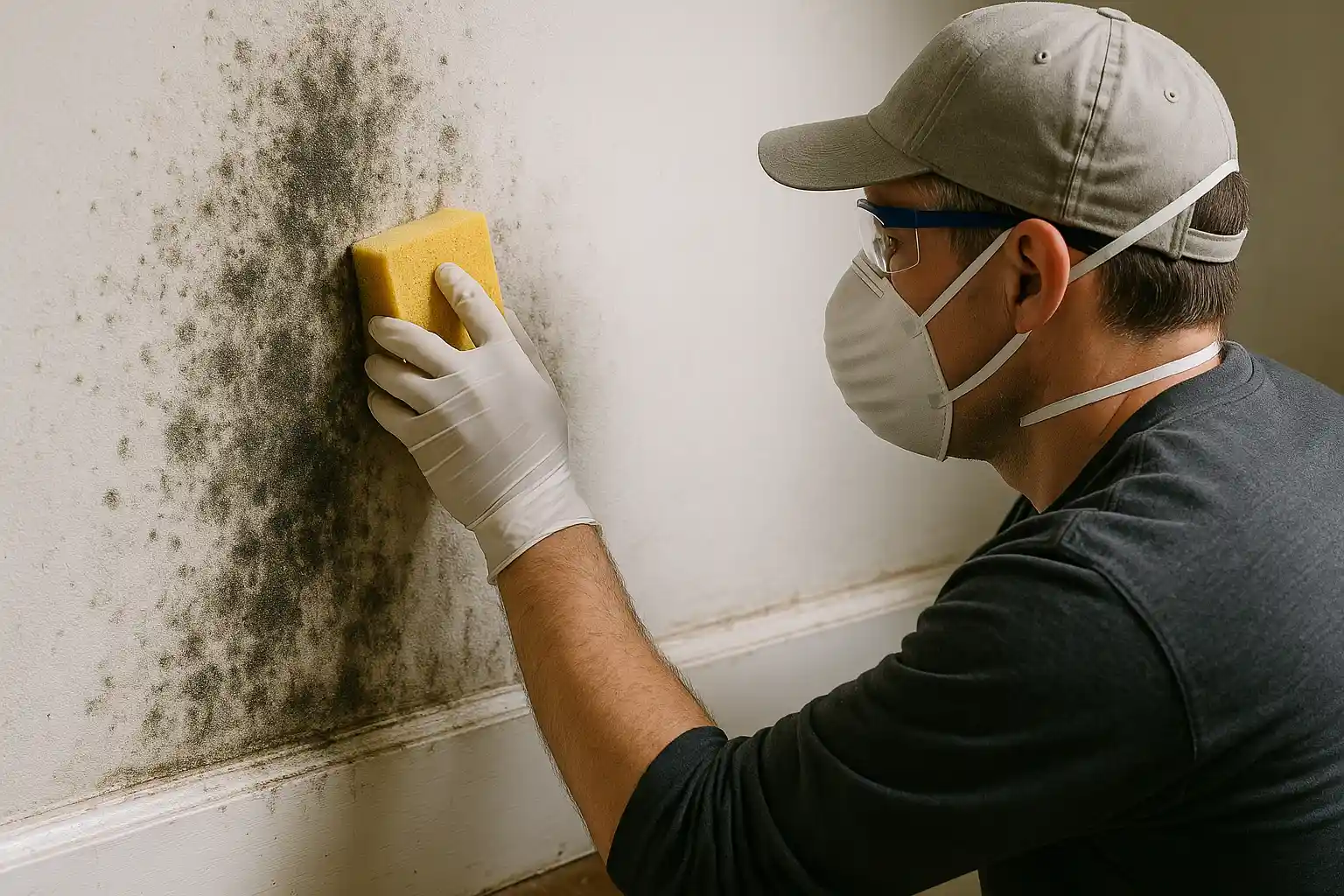
– Mold or mildew buildup: When moisture sticks around too long, mold follows. You might see gray, brown, or green patches growing on walls, along floor edges, or even on stored items.
– Peeling paint or bubbling plaster: If the finish on your walls is starting to break down, water might be working its way to the surface. This is more common when seepage occurs gradually over time.
– Shifting floors or warped trim: If materials near the foundation appear to be separating, dipping, or tilting, it could be a result of water build-up pushing through the structure.
For example, a homeowner in Vancouver once noticed a faint musty smell followed by a small wet patch in the corner of their storage room. Within a few weeks, the entire area grew damp and the carpeting began to bubble. What started as a smell turned into a larger problem that required immediate action.
Staying alert to these signs lets you act before water causes serious structural or mold damage. The sooner you notice a problem, the faster it can be addressed.
Preventative Measures to Stop Water Seepage
Taking steps now can help stave off future problems and protect your home’s foundation from water damage. With some practical measures in place, you can feel more confident that your home is ready to handle heavy rains.
First, consider the grading around your home. Ensuring that the landscape slopes away from the foundation helps divert water away, reducing the risk of pooling or pressing against the walls. This adjustment can go a long way toward minimizing moisture issues.
Regular maintenance is another step that shouldn’t be overlooked. Set up a routine check for gutters and downspouts to keep them clear of debris so water can flow properly away from the house. Add extensions on your downspouts so that rainwater doesn’t soak the soil right next to your foundation. Walking the perimeter of your home and observing any signs of cracking or poor drainage will keep you ahead of potential issues.
For areas showing visible cracks, sealing them with high-quality fillers or sealants helps stop moisture from finding a way in. These materials work well on both interior and exterior surfaces. Consider placing waterproof coatings on your basement walls for added protection, especially if seepage has been a past issue.
Homes in Vancouver that get hit with heavy rains or see flooding might benefit from installing a sump pump. A good sump pump system removes water build-up before it enters your living space. It’s a smart investment that helps reduce the risk of damage when storms strike.
Professional Water Damage Restoration
While preventative work helps, some situations call for professional intervention. When water damage becomes severe, the job requires more than just home tools and weekend fixes. It needs the support of trained technicians who know what to look for and how to solve it.
Professionals in Vancouver, Washington, understand the moisture challenges common in this region. They know how fast problems can grow and have the tools and experience to handle them. From tracking hidden leaks to drying soaked areas and removing mold, these experts make sure your home gets fully restored.
Hiring a professional gives you more than just a quick fix. Technicians use equipment that reaches deep into structural areas. They check for mold, measure moisture levels, and apply protective treatments. Their process often moves faster and more thoroughly than DIY approaches.
If you have signs of ongoing seepage or damage that has already advanced, bringing in a water damage restoration team can give you peace of mind. It also takes pressure off you as a homeowner, since everything from assessment to cleanup is handled by trained professionals.
Ensuring a Dry and Safe Home
Addressing water seepage early saves time, money, and frustration. Small leaks and damp areas often point to bigger problems that will grow if left alone. By tackling issues head-on and making smart choices, you can protect your home for years to come.
Preventing future seepage comes down to a few reliable steps. Grade the soil properly, manage drainage systems, and stay alert for changes like smells or stains. When signs appear, don’t write them off or assume they’ll go away.
With experienced help when it’s needed and regular checks throughout the year, your home will be better prepared to handle moisture. A dry home is not just more comfortable but also safer for your family and your property.
Don’t let water issues compromise your home’s safety and comfort. Whether you’re dealing with obvious signs or subtle moisture concerns, taking action early can make all the difference. Learn how our team handles water damage restoration in Vancouver, WA with care and precision. At DryWorx Water Damage Restoration, we’re here to help protect your home from further damage and give you peace of mind.