When the skies open up and storms hit Vancouver, Washington, they often leave chaos in their wake. Residents know the importance of cleaning up after such weather events, but efficient storm damage cleanup can be challenging without the right knowledge. Ensuring that your home is thoroughly cleaned and restored can prevent long-term issues like mold growth, which can appear after the initial chaos fades. It’s crucial to tackle each step with purpose, protecting your investment and your peace of mind.
Ignoring the aftermath or delaying the cleanup can turn a solvable problem into a significant headache. That’s why understanding the best methods to deal with storm damage is important. Having a clear plan helps in addressing immediate concerns and reducing risks of future damage. A thoughtful approach ensures that while storms may be uncontrollable, their impact on your home can be effectively managed and minimized.
Assessing Storm Damage
Once the storm has passed, the first step is to safely assess any damage. Taking action quickly is key to mitigating further problems. Here’s how you can break it down:
1. Initial Safety Check: Before anything else, make sure the area is safe. Check for downed power lines, gas leaks, or structural damage to your home. If any of these are present, evacuate and call the appropriate services.
2. Damage Inspection: Once it’s safe, conduct a thorough inspection of both the exterior and interior of your home. Look for:
– Exterior Damage: Check the roof, gutters, and siding for signs of damage. Pay attention to any missing or broken shingles, which can lead to leaks.
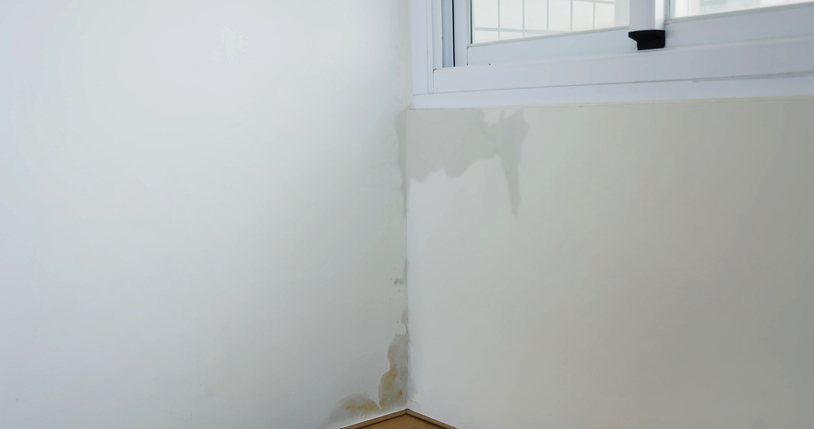
– Water Damage: Inside, look for signs of water intrusion. Water stains on walls and ceilings can indicate leaks.
– Structural Concerns: Inspect areas like the basement for flooding or weakened structures.
3. Documentation: Take photos of all areas affected for insurance purposes. Detailed records of damage help in filing claims and ensure you’re adequately compensated.
Taking these steps immediately after the storm helps in controlling the situation. It provides a clear picture of what needs to be addressed and sets you on the path to effective recovery. Proactive measures not only ease the immediate burden but also set the stage for a more streamlined restoration process.
Safe Removal of Debris and Water
Once the initial assessment is complete, the next step in the storm cleanup process is getting rid of debris and water safely. Careful removal is important to prevent accidents and further property damage. Here’s how to approach this phase:
1. Debris Clearing: Start by clearing any fallen branches, leaves, and other materials from your yard. Use gloves and protective gear to avoid injuries, and be mindful of sharp objects hidden in the debris. Pile debris at a safe distance from the house to avoid re-contamination.
2. Water Extraction: If there’s water inside your home, act quickly to remove it as stagnant water can lead to mold growth and structural weakening. Depending on the volume, you might use a commercial-grade pump for large amounts of water or a wet/dry vacuum for smaller spills. Always ensure that the power is off in water-damaged areas to prevent electrical hazards.
3. Drying Out Spaces: After water removal, drying out the affected areas is critical. Open windows and doors to allow cross-ventilation if weather permits. Use industrial fans and dehumidifiers to speed up the drying process and reduce the risk of mold.
4. Right Equipment: Using the right tools and protective gear makes the job safer and quicker. Make sure to have proper footwear, gloves, and masks to protect against potential contaminants.
Handling debris and water with care reinforces the groundwork for a successful restoration, ensuring that each subsequent step unfolds smoothly and safely.
Cleaning and Sanitizing Affected Areas
Thorough cleaning and sanitizing are necessary for preventing health issues and reclaiming the safety of your home. Here’s how you can clean effectively:
– Surface Cleaning: Start with the basics. Use soapy water and scrub brushes to clean hard surfaces. Pay special attention to areas that may have come into contact with contaminated water.
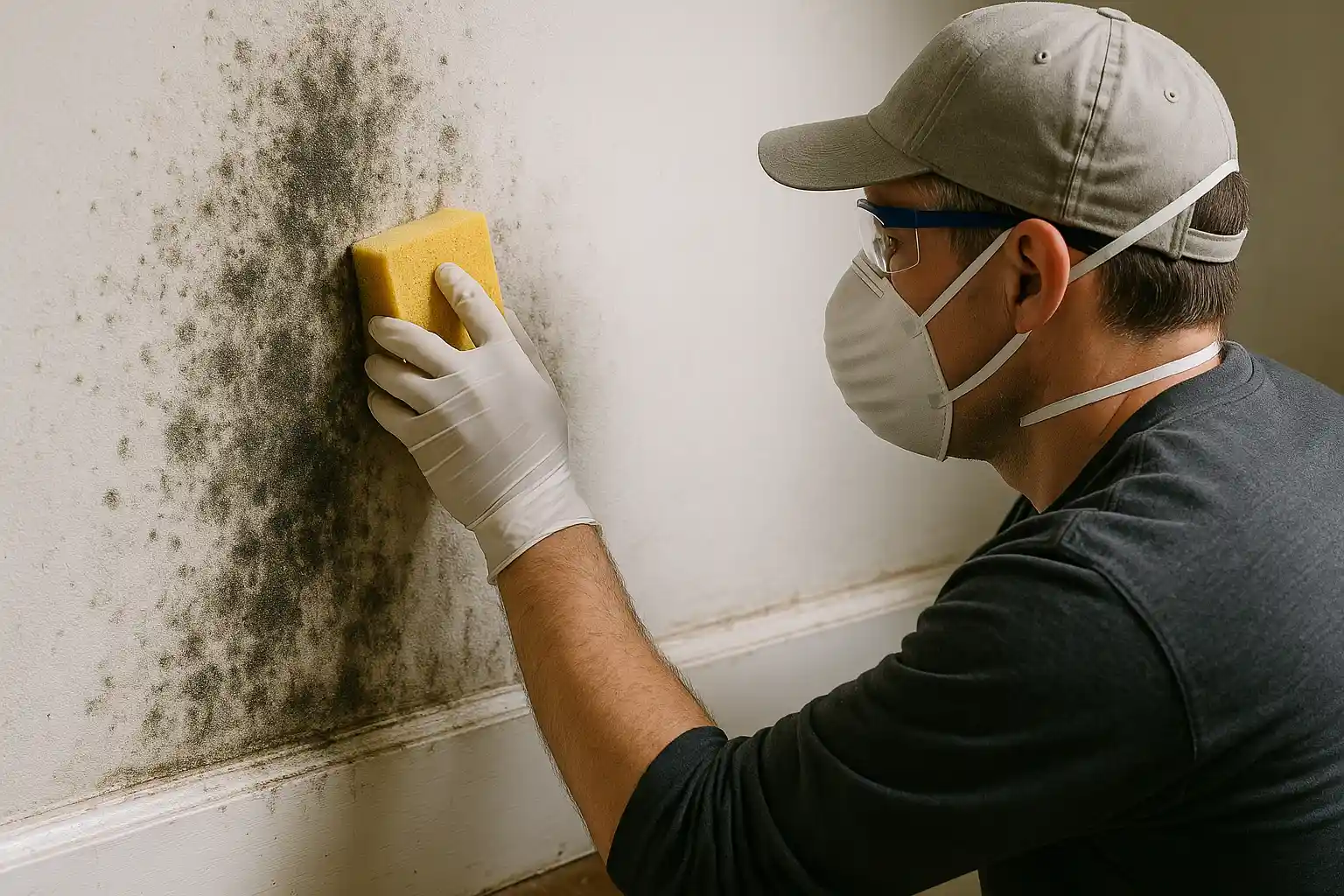
– Mold Prevention: Apply mold-killing solutions on surfaces that may harbor mold. Pay attention to corners, behind furniture, and any damp spots that could harbor mold spores.
– Sanitizing Solutions: Choose an appropriate disinfectant to sanitize all surfaces. This is crucial for eliminating bacteria and other contaminants that can pose health risks. Follow the instructions on the product label to ensure effective sanitation.
These cleaning efforts serve as the foundation of a well-rounded recovery, paving the way to reclaim your space both physically and visually.
Repair and Restoration
With cleanup in full swing, it’s time to shift focus to repair and restoration:
– Common Repairs: Post-storm repairs often include fixing roofs, replacing drywall, and patching up leaks. Address these areas promptly to prevent ongoing issues.
– Restoration Strategies: Employ strategies to restore both structural integrity and the look of your home. This may involve painting, resealing windows, or replacing damaged floors. A comprehensive approach ensures that every detail is addressed.
– Professional Intervention: Don’t hesitate to seek expert help for comprehensive storm damage restoration. Professional services can offer advanced solutions and efficiency in tackling problems you might miss.
Fully restoring your home after storm damage requires careful attention and a plan that covers all bases. When executed effectively, these strategies can bring your home back to its former glory and keep it protected from future storms.
Ensuring Future Protection
After overcoming the challenges of storm damage, it’s only natural to think about protecting your home in the future:
– Preventative Measures: Secure loose items in your yard, maintain clean gutters, and reinforce windows with storm shutters to help mitigate future damage.
– Regular Maintenance: Set a schedule to inspect your home for potential vulnerabilities, especially in storm-prone months. Routine checks can identify potential issues before they become bigger problems.
Applying these measures proactively can make a big difference when the next storm season rolls around, ensuring your home stays resilient against whatever nature throws its way.
Protecting your home from storm damage is all about planning ahead and choosing the right solutions. To make sure your property stands strong in the face of future storms, work with professionals who understand what it takes to recover fully. Learn how DryWorx Water Damage Restoration can support your storm damage cleanup and help restore your peace of mind.