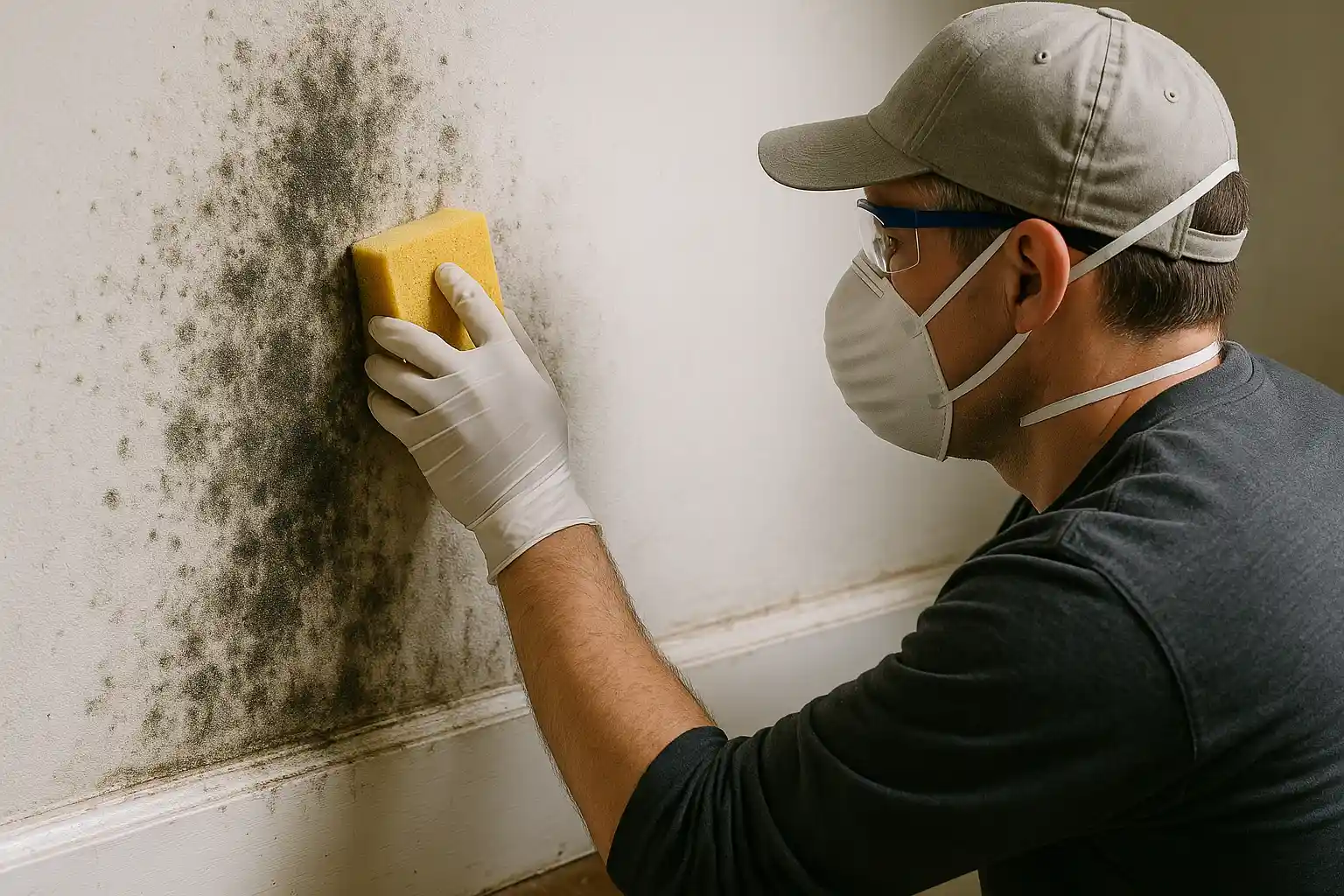
Mold can easily become an unwelcome guest in homes after flooding. While a flood can wreak havoc on your property, leaving behind damage and distress, it’s the mold growth that follows which can cause even more problems. Mold thrives in damp environments and can start growing in as little as 24 to 48 hours if conditions are right. Understanding the urgency of preventing mold is important, not just to protect your home but also to safeguard your family’s health.
Mold can present various health risks, such as respiratory issues and allergic reactions. The more it spreads, the more damage it can do to your belongings, walls, and floors. That’s why acting quickly after a flood is key. Addressing the potential issue of mold growth promptly can prevent costly repairs and health hazards down the line. Let’s explore the vital first steps to take when faced with the threat of mold after a flood.
Immediate Steps to Take After Flooding
Taking swift action immediately after flooding hits is crucial to minimize the risk of mold. Here are some important steps to follow:
– Safety First: Ensure the safety of everyone involved by turning off power and gas supplies in the affected area. Water and electricity are a dangerous combination, so it’s better to be safe than sorry.
– Remove Standing Water: Use pumps or wet vacuums to get rid of any standing water. The less water left around, the better the chances of preventing mold growth. This task is time-sensitive and important to tackle almost immediately.
– Ventilation: Improve airflow by opening windows and using fans. Fresh air can reduce humidity levels and promote drying. Remember, mold loves moisture, so setting up an environment where air circulates helps keep humidity down.
By following these steps, you can make the first dent in combating mold risk after a flood. Each action aims to drive away moisture, which molds require to settle in your home. Keeping your living space dry and safe right after a flood is your first step toward a cleaner, healthier environment.
Drying and Dehumidifying the Area
Once the immediate steps are completed, focus on drying out your space to halt the growth of mold. Proper drying is crucial because even a small amount of lingering moisture can provide a breeding ground for mold. Here’s how you can ensure your home is thoroughly dry:
– Use Dehumidifiers: These devices help lower moisture levels in the air. Place dehumidifiers in the most affected areas and let them run continuously until everything is completely dry.
– Dry Furniture and Carpets: If possible, remove soaked carpets and furniture from the flood zone and place them in a dry area. This separation helps both the items and the environment dry faster.
– Professional-Grade Equipment: Sometimes household fans and dehumidifiers aren’t enough. Renting or purchasing professional-grade drying equipment ensures a thorough job. These tools are more powerful and effective at pulling moisture out of larger areas.
While tackling drying, regularly check different surfaces. Mold can easily hide in unseen spots. If you’re unsure about the drying progress, use a moisture meter to assess the area accurately.
Cleaning and Sanitizing Flooded Areas
With dryness achieved, the next phase involves cleaning and sanitizing. Flood water can carry a cocktail of contaminants, making this step key to restoring safety and hygiene.
1. Appropriate Cleaning Agents: Use a strong, effective cleaning agent to scrub every surface that’s been exposed to floodwater. Chemicals designed for flood cleanup can break down the stubborn residues left behind.
2. Dispose of Contaminated Items: Items like soaked papers or porous materials that cannot be cleaned effectively should be discarded. Keeping these can lead to persistent odors and potential health risks.
3. Mold-Killing Products: Areas that are prone to mold should be treated with a mold-killing solution. Focus on spaces like bathroom tiles or basement walls, even if they don’t show visible mold signs.
After this cleaning, let the freshly-scrubbed surfaces dry completely before moving items back into place. Doing so ensures that no moisture gets trapped underneath, which could start a new mold cycle.
Preventing Future Mold Growth
Now that you’ve dealt with the immediate threat, it’s time to focus on long-term prevention. This step ensures your home remains mold-free in the future, even if another flood occurs.
– Maintain Home Ventilation: Proper airflow is crucial in preventing moisture buildup. Make sure that your home has good ventilation, particularly in high-humidity areas like bathrooms and kitchens.
– Inspect Plumbing Regularly: Leaks and drips create perfect conditions for mold. Regular checks of your plumbing system can help catch leaks early and avoid water-related issues.
– Mold-Resistant Materials: If you’re renovating or repairing after the flood, consider using mold-resistant drywall or insulation. These materials add an extra layer of protection against potential mold outbreaks.
Each of these steps contributes to a comprehensive approach to mold prevention. Creating a habit of periodic inspections and maintenance ensures your home remains safe and mold-free. By catching potential problems early, you protect both your property and your family’s health, making the recovery from a flood as thorough as possible.
For peace of mind and a safe, mold-free home after flooding, trust the experienced team at DryWorx Water Damage Restoration. With the right tools and proven techniques, they’re ready to help you take control of your space. Learn how their mold remediation services in Vancouver can make your home feel safe and healthy again.