Water damage can strike unexpectedly in Vancouver, WA, leaving homeowners and business operators to navigate a complex web of cleanup, repair, and reconstruction. Understanding the average cost of water damage restoration in this region requires examining local market rates, material expenses, and labor considerations. By unraveling these cost components, property owners gain clarity on budgeting, insurance claims, and the scope of professional services they require. This guide will dissect the most influential cost factors, provide detailed pricing breakdowns, and offer strategic insights tailored to Vancouver’s unique climate and infrastructure.
Understanding Water Damage Restoration and Repair
Water damage restoration encompasses specialized processes designed to mitigate moisture intrusion, prevent secondary issues, and restore structural integrity. Certified technicians follow industry standards for water extraction, structural drying, antimicrobial treatment, and reconstruction. Employing moisture mapping tools, hygrometers, and thermal imaging cameras, professionals ensure comprehensive removal of hidden pockets of moisture. This rigorous protocol aligns with the Water Damage Restoration Process Vancouver WA to safeguard against mold proliferation and long‐term structural decay.
Key Factors Influencing Restoration Costs
Several variables converge to determine the final invoice for water mitigation and repair. Property owners should consider:
The category and source of water—clean water from a burst pipe contrasts sharply in risk and expense with gray water from appliances or black water from sewage backups. The total square footage and types of materials affected—restoring hardwood flooring demands different expertise and materials than repairing drywall in a bathroom. The age and construction style of the building—older homes in Clark County often feature outdated plumbing or insulation, leading to extended drying times and custom repairs. The presence of mold or secondary damage—delayed intervention increases the likelihood of mold remediation, which can double or even triple project costs. Equipment, labor rates, and emergency response premiums—after‐hours service or specialized machinery like high‐capacity dehumidifiers can add 20–30% to the base rate.
Appreciating how these factors interplay empowers Vancouver property owners to anticipate variability in vendor estimates and align restoration budgets accordingly.
Extent and Category of Water Damage
The depth of water saturation drives labor and equipment needs. Category 1 (clean water) often involves minimal disinfectant protocols, while Category 3 (black water) requires containment, full protective gear, and hazardous waste disposal. Each step—from initial extraction to final sanitation—carries distinct labor and material expenses that ripple through the overall cost.
Square Footage and Material Types
The larger the damaged zone, the greater the volume of water to extract and the more drying stations to deploy. Materials such as carpeting, padding, hardwood, or tile all demand tailored approaches—removal, drying, or replacement. High‐end finishes, ornate millwork, or custom tile further escalate both labor and material line items.
Age and Construction of the Property
Vancouver’s diverse housing stock ranges from turn‐of‐the‐century craftsman bungalows to modern condominiums. Older dwellings with plaster walls or balloon framing often require careful deconstruction and specialized drying to prevent hidden moisture pockets, whereas newer builds with drywall can be remediated more predictably.
Mold Remediation and Secondary Damage
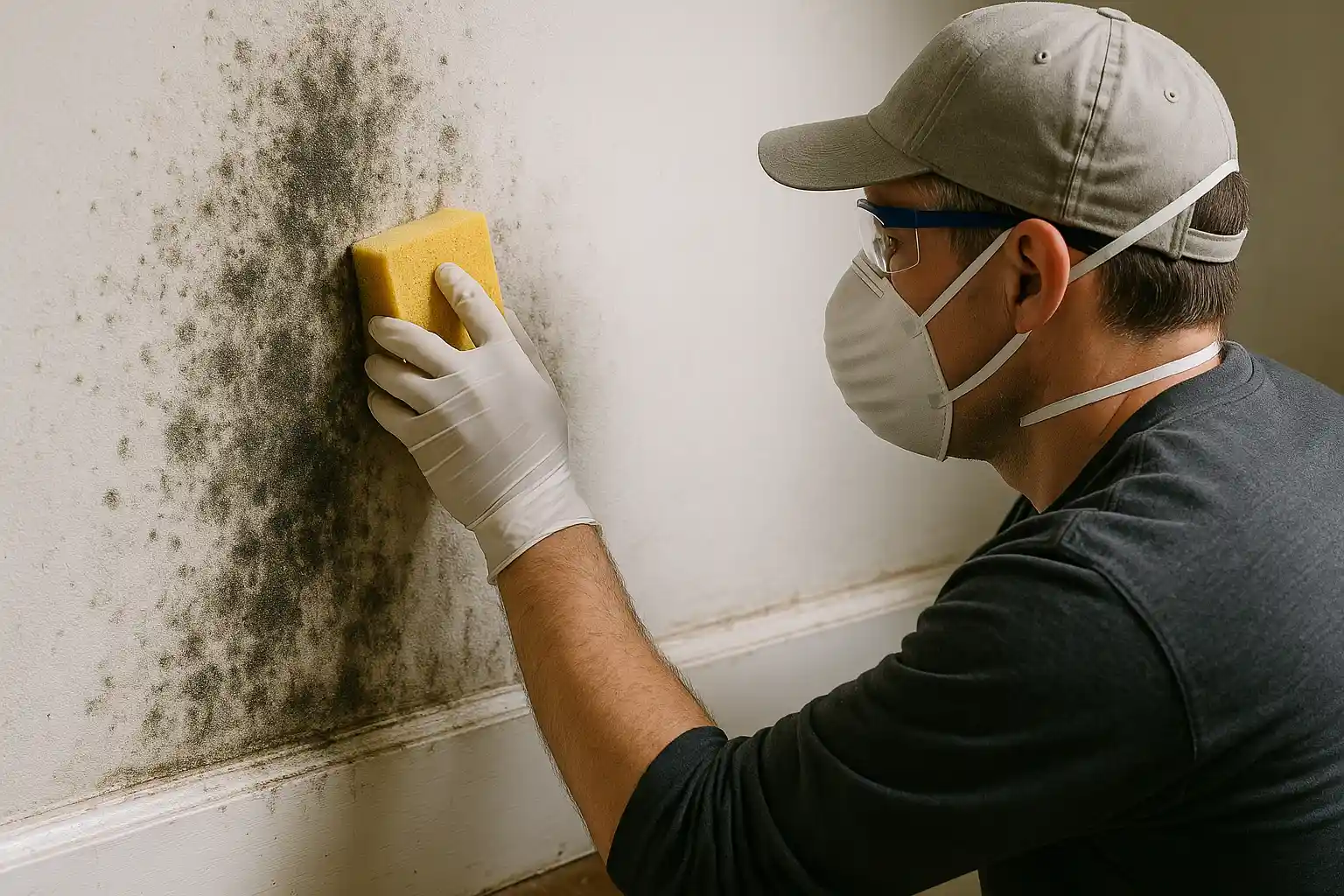
Unaddressed moisture fosters mold growth within 24–48 hours, triggering additional remediation phases. Mold inspection, containment, air filtration, and antimicrobial treatments add substantial labor hours and materials, sometimes rivaling the original water extraction cost.
Equipment and Labor Rates
Restoration firms typically charge by the hour for technicians and per‐day for large‐scale dehumidification and air‐movement equipment. Local labor rates in Vancouver WA hover between $75 and $150 per hour for IICRC‐certified professionals, with equipment rentals ranging from $50 to $200 per day per unit.
Average Water Damage Restoration Pricing in Vancouver WA
Estimating water damage restoration costs in Vancouver, WA, begins with broad categories—minor, moderate, and severe damage. The table below presents a regional cost overview to anchor expectations.
| Damage Severity | Typical Cost Range | Key Variables |
| Minor (Category 1) | $800 – $2,000 | Small area leaks, no mold, quick extraction |
| Moderate (Category 2) | $2,000 – $6,000 | Multiple rooms, gray water, partial drywall work |
| Severe (Category 3) | $6,000 – $15,000+ | Flooding, sewage, mold remediation, reconstruction |
This summary reflects average pricing influenced by Vancouver’s climate, property age, and common water sources. Local restoration cost fluctuations often arise from seasonal demand during wet winter months and older municipal plumbing systems in historic districts.
Detailed Cost Breakdown
Beyond broad severity tiers, the following breakdown examines specific service components typically invoiced during a water restoration project.
| Service Component | Unit Cost Range |
| Water Extraction (per 1,000 sq ft) | $500 – $1,500 |
| Drying & Dehumidification (per day) | $200 – $500 |
| Mold Inspection & Remediation | $1,000 – $4,000 |
| Drywall Replacement (per sq ft) | $2 – $6 |
| Hardwood Floor Repair (per sq ft) | $8 – $15 |
| Carpet Cleaning & Replacement | $3 – $10 per sq ft |
| Sewage Cleanup & Disinfection | $1,200 – $3,000 |
| Structural Repairs & Rebuild | $50 – $150 per hr |
Each line item can shift substantially based on water category, mold presence, and emergency response requirements. Understanding these granular costs allows homeowners to parse estimates and challenge unexpected fees.
Insurance Estimates and Water Cleanup
Securing an accurate insurance estimate water cleanup hinges on a detailed scope of work and supporting documentation. Insurers review moisture reports, photographs, and IICRC-compliant process forms to validate coverage under homeowner policies. Deductibles in Vancouver WA typically range from $500 to $2,500, depending on policy specifics. In many cases, policyholders only pay this deductible, while the insurer covers the balance of restoration costs. Proactive documentation—daily remediation logs, equipment invoices, and thermal imaging snapshots—streamlines the claims process and minimizes out-of-pocket exposure.
Strategies to Save on Restoration Costs
Home and business owners in Vancouver can employ several cost‐saving strategies without sacrificing quality:
Maintain gutters, downspouts, and sump pumps to prevent basement flooding. Invest in regular plumbing inspections and seal leaks promptly. Schedule preemptive maintenance before rainy months to avoid emergency premiums. Obtain multiple quotes from reputable IICRC-certified firms to compare labor and equipment rates. Engage directly with restoration professionals to negotiate bundled service discounts.
Timely intervention also mitigates mold risk, eliminating secondary remediation expenses.
Choosing a Professional Restoration Company
Selecting a qualified team ensures efficient and code‐compliant recovery. When assessing providers, homeowners should verify industry certifications, emergency response time guarantees, and transparent pricing. Checking local reviews and accreditation with organizations like the Better Business Bureau offers additional confidence. For the most reliable outcomes, many Vancouver clients turn to companies specializing in commercial and residential cases, leveraging experience with storm damage, leaking roofs, and large‐scale flood events.
Professionals recognized for excellence in water damage restoration Vancouver Wa often feature direct‐billing arrangements with insurers, pre‐priced service packages, and clear communication protocols that keep clients informed at every stage.
Local Considerations for Vancouver WA Homeowners
Vancouver’s position in the Pacific Northwest subjects properties to frequent rainfall, leading to higher mold risks and prolonged drying cycles. Many dwellings feature basements prone to seepage and crawl spaces that trap humidity. Regional homeowners must factor in building code requirements for flood vents, sump pump discharges, and backflow preventers when calculating restoration and mitigation budgets. Incorporating measures such as spray foam insulation or exterior waterproofing coatings may increase upfront costs but deliver long‐term savings by reducing future water intrusion events.
Emergency Response and Project Timeline
Rapid mobilization dramatically limits damage escalation. Restoration projects typically unfold in two phases: mitigation and reconstruction. Mitigation—including water extraction, drying, and sanitation—often spans 3–7 days, depending on severity. Reconstruction and rebuild phases, covering drywall replacement, flooring repair, and cosmetic finishes, may extend the timeline by 1–4 weeks. Clear scheduling, access to skilled subcontractors, and local material availability in Clark County all influence project duration.
To discuss project timelines or arrange an on‐site consultation, interested parties are invited to Contact us for tailored guidance and scheduling options. To partner with DryWorx Restoration on any water damage project, call us today. We deliver prompt, professional service across Vancouver, WA, ensuring your property is restored efficiently and effectively.
FAQs
1. How much does water damage restoration cost in Vancouver WA?
Restoration costs typically range from $800 for minor leaks to over $15,000 for severe flooding and mold remediation, depending on the water category, square footage, and reconstruction needs.
2. What factors influence water damage restoration pricing?
Key determinants include the water source category, area affected, building materials, presence of mold, emergency response premiums, and labor rates of IICRC-certified technicians.
3. Does homeowners insurance cover water damage restoration?
Most policies cover sudden and accidental water damage after the deductible. Coverage for flood events may require separate flood insurance. Thorough documentation and adherence to insurer protocols ensure smoother claims.
4. How can Vancouver property owners reduce restoration costs?
Preventive maintenance, immediate response to leaks, obtaining multiple estimates, and choosing local, reputable firms help minimize expenses and avoid costly mold remediation.
5. How long does the complete restoration process take?
Mitigation phases typically last 3–7 days, while reconstruction can extend from one to several weeks, based on damage severity, subcontractor availability, and material lead times.
Post Tags: