Water damage can creep into a home unnoticed, undermining structural integrity and inviting costly repairs. When moisture infiltrates behind walls, under floors, or above ceilings, it accelerates deterioration of building materials, fosters mold growth, and jeopardizes indoor air quality. In regions like Vancouver WA, where seasonal rains and fluctuating humidity levels contribute to moisture exposure, proactive detection and timely water damage restoration Vancouver Wa services are essential. Recognizing the early signals of concealed water issues empowers homeowners to intervene before damage spreads. This guide examines the subtle clues of hidden water damage, explains the health and safety risks, outlines advanced detection techniques, and offers practical prevention and response strategies—all aimed at safeguarding your property and family.
Understanding Hidden Water Damage
Hidden water damage occurs when moisture seeps beyond visible surfaces—behind drywall, under laminate floors, within ceiling cavities, or inside crawl spaces. Unlike an overt flood, these intrusions progress slowly, allowing mold spores and wood rot to take hold before homeowners detect a problem. Untreated moisture weakens framing lumber, softens gypsum board, and corrodes metal fasteners. Underneath floors and behind walls, it creates an ideal environment for fungal growth and can even compromise electrical wiring. Because the source is often out of sight—a leaking pipe inside a wall cavity or a roof flashing gap—homeowners must learn to identify the telltale signs that moisture is invading their living space.
Common Causes of Hidden Water Damage
Hidden water damage may arise from a variety of sources:
- Plumbing Leaks: Pipes concealed within walls, ceilings, or under slabs can develop pinhole leaks or joint failures that slowly drip water.
- Roof and Flashing Failures: Damaged shingles, cracked flashing around chimneys or vents, and clogged gutters allow rainwater to enter attic spaces and descend into wall assemblies.
- Foundation Cracks and Grading Issues: Poor exterior drainage permits groundwater to seep through foundation cracks and into basement or crawl spaces.
- Condensation and High Indoor Humidity: Inadequate ventilation in bathrooms and kitchens leads to elevated humidity, causing condensation on windows and interior walls.
- HVAC Condensate Line Blockages: Air conditioning units produce condensate that, when blocked, can overflow and leak into nearby ceiling or wall cavities.
- Appliance Failures: Behind washing machines, dishwashers, and water heaters, hoses and fittings can weaken and drip without immediate notice.
Each of these causes demonstrates how moisture can infiltrate hidden areas, making vigilant observation of your home’s interior critical.
Early Signs Homeowners Should Watch For
Homeowners often report seeing one or more of the following clues before discovering the full extent of hidden water damage. Awareness of these early warning signs can prompt timely investigation and remediation.
Discoloration and Water Stains
Water slowly creeping behind walls or ceilings leaves faint yellow-brown splotches that gradually darken over time. Often circular or irregular in shape, these stains may spread, merge, or develop distinct “halos” as moisture saturates more of the gypsum board. Stains that appear after rainstorms or drips near plumbing fixtures signal active leaks.
Musty or Moldy Odors
Even without visible mold, trapped moisture fosters microbial growth. A persistent earthy or musty smell—especially in basements, closets, or behind heavy furniture—usually indicates that mold or mildew colonies have established themselves behind a wall or under a carpet. Home odor alone often precedes any visible signs.
Warped or Sagging Surfaces
Prolonged water exposure causes materials to warp, swell, and lose rigidity. Wood trim around windows may warp, floorboards can cup or buckle, and ceilings may sag in seams. Any smooth surface that feels spongy or is visibly distorted demands closer inspection.
Visible Mold and Mildew Growth
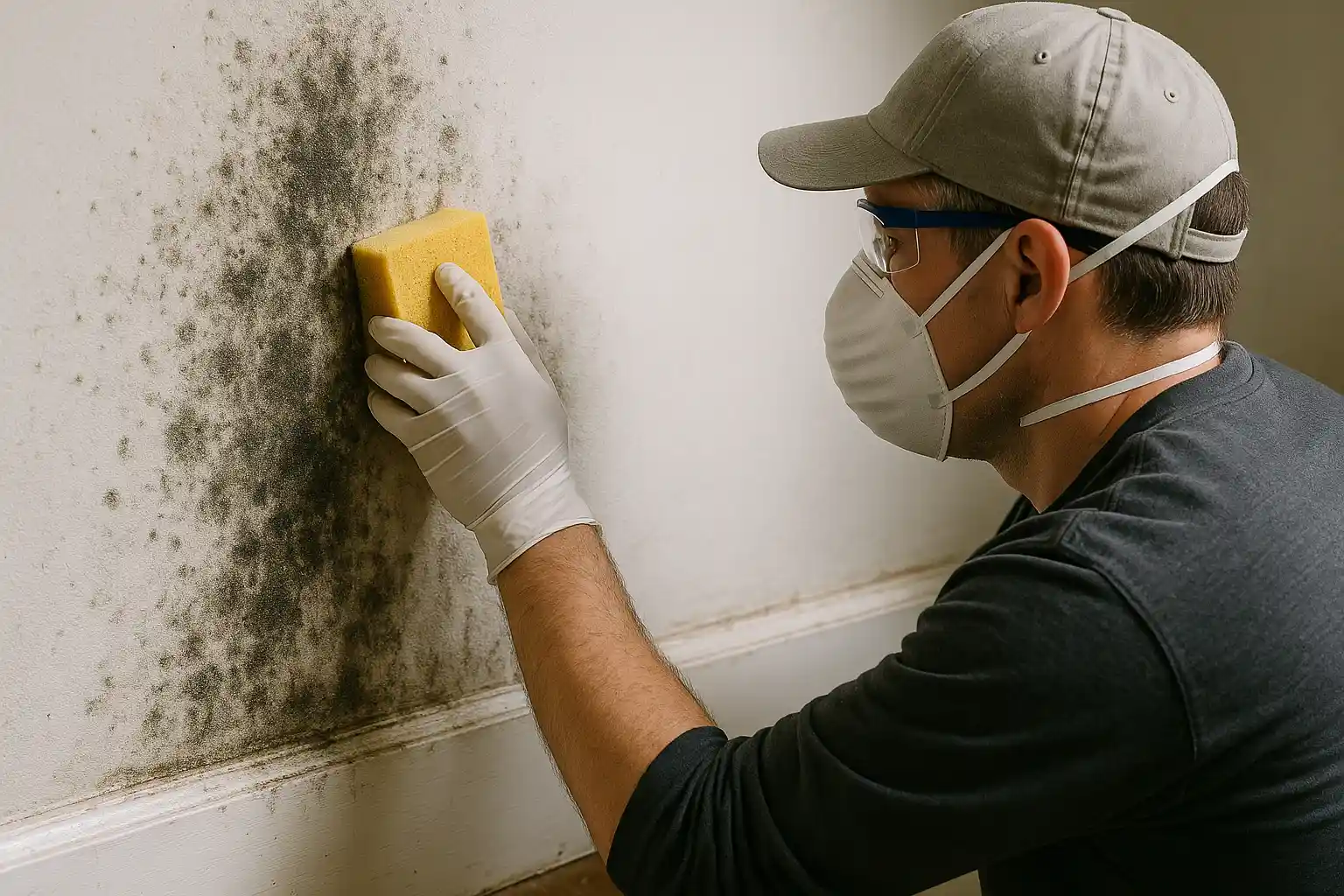
Black, green, or white speckling on grout lines, baseboards, or window seals indicates active mold growth. In hidden water damage scenarios, mold first appears in small patches before spreading. Because mold spores can pose health risks, any spotting on interior surfaces issues a red flag.
Unexpected Increases in Water Bills
A steady, unexplained rise in monthly water consumption often points to a hidden leak. While a dripping faucet or running toilet is easy to notice, leaks behind walls or under slabs can run continuously and cost homeowners significant sums before detection.
Dripping Sounds and Unusual Noises
Hearing the faint sound of water trickling when all faucets and appliances are off suggests that a leak is occurring within wall cavities or beneath floors. Such auditory cues often emerge at night or in silent hours, providing an auditory clue of concealed moisture.
High Indoor Humidity and Condensation
When indoor humidity consistently exceeds 60%, condensation forms on cooler surfaces such as windows or exterior walls. In poorly ventilated basements, this can lead to damp spots and eventual water intrusion behind drywall. A hygrometer can confirm elevated moisture levels.
Pest Infestations and Rot
Rodents and insects are drawn to damp, decaying wood and insulation. Termites, carpenter ants, and silverfish thrive in moisture-laden environments. If pest activity intensifies in specific areas, unseen water damage may be creating the perfect habitat.
In many cases, homeowners notice one sign weeks or months before another. Ignoring even minor discoloration or a fleeting musty smell can allow extensive structural damage and mold colonization to take hold.
Advanced Detection Methods for Hidden Water Damage
When visual inspection and homeowner observations suggest concealed moisture, professional tools and techniques can confirm its presence without extensive demolition. These methods enable precise targeting of the wet area and reduce repair costs.
Moisture Meters and Thermal Imaging
Handheld moisture meters measure the moisture content of materials. Pin-type meters probe wood and drywall, while pinless meters scan deeper into wall assemblies. Thermal imaging cameras detect temperature differentials caused by evaporation; cool spots often indicate damp areas behind surfaces. Together, these tools map moisture distribution.
Air Movers and Dehumidifiers
After locating moisture, remediation professionals deploy high-capacity air movers to promote evaporation and refrigerant or desiccant dehumidifiers to lower ambient humidity. This combination speeds up drying times and prevents secondary damages such as mold growth and structural degradation.
Moisture Mapping and Hygrometers
Moisture mapping involves creating a grid pattern over the affected area, taking systematic moisture readings at multiple points to chart the extent of water intrusion. Hygrometers measure relative humidity in controlled zones, ensuring that drying achieves recommended levels—typically below 40% to inhibit mold proliferation.
Small-Bore Thermal Probes and Borescopes
In some situations, minimal invasive testing is required. Small-bore thermal probes or borescopes inserted through tiny drill holes allow direct inspection of cavities for moisture or mold, minimizing drywall removal.
These advanced methods prevent unnecessary damage to walls and floors, ensuring that only compromised materials are removed while preserving unaffected areas.
Health and Structural Risks Associated with Hidden Water Damage
Left unchecked, hidden water damage can cause serious health and safety hazards:
- Mold and Mycotoxin Exposure: Mold releases spores and mycotoxins that can aggravate asthma, allergies, and respiratory infections. Black mold (Stachybotrys chartarum) is particularly dangerous, producing toxins linked to neurological symptoms in rare cases.
- Structural Wood Decay: Moisture-soaked studs and joists lose load-bearing capacity. Rotten wood and corroded metal connectors undermine framing integrity, potentially leading to sagging floors, bowed walls, or even partial collapse.
- Electrical Short Circuits and Fire Risk: Water contacting electrical wiring, outlets, or fixtures may cause short circuits, increasing fire hazards.
- Decreased Indoor Air Quality: Increased airborne moisture supports dust mite proliferation and microbial growth, exacerbating allergies.
- Lowered Property Value and Increased Insurance Premiums: Documented water damage and mold history can lower resale value, deter buyers, and raise insurance costs.
Proactive detection and swift intervention are the most effective ways to mitigate these risks.
Prevention and Maintenance Tips
Regular home maintenance can dramatically reduce the likelihood of hidden water damage:
- Inspect under sinks, behind toilets, and around water-using appliances quarterly for drips or dampness.
- Clean gutters and downspouts at least twice a year to maintain proper roof drainage.
- Grade landscaping six inches per ten feet away from foundation walls to channel rainwater away.
- Seal cracks in foundations, window sills, and exterior walls with appropriate waterproof caulks and sealants.
- Install high-efficiency exhaust fans in bathrooms and kitchens to control indoor humidity.
- Schedule professional roof inspections every two years, checking for missing shingles and failing flashings.
- Replace aging supply hoses on washing machines and dishwashers every five to seven years.
- Fit a condensate pump with an overflow safety switch on HVAC systems.
Routine vigilance prevents minor leaks from escalating into hidden, extensive water damage episodes.
When to Call the Professionals
DIY efforts such as mopping floors or running fans may address surface moisture, but deeper problems require professional expertise. Hire certified technicians when:
- You observe multiple warning signs simultaneously, such as staining, mold, and odd noises.
- Moisture levels remain high after 48 hours of DIY drying.
- Visible mold colonies exceed a few square feet.
- You suspect mold in HVAC ducts or insulation.
- Water damage affects structural components—joists, beams, or load-bearing walls.
- Insurance claims require documented moisture readings and professional reports.
Experts leverage advanced equipment, adhere to industry drying standards, manage mold remediation, and coordinate with insurers, ensuring a thorough and code-compliant solution.
Common Signs vs. Recommended Response
| Sign | Action Required | Recommended Professional Tool |
| Yellow-brown stains on walls/ceilings | Inspect stain source; test with moisture meter | Pinless Moisture Meter |
| Musty odor in closed spaces | Conduct thermal imaging; remove affected insulation | Infrared Camera, Hygrometer |
| Warped floorboards or buckled laminate | Remove flooring plank; map moisture reach; dry subfloor | Moisture Mapping, Air Movers |
| Mold spots along baseboards | Contain mold-affected area; apply antimicrobial treatment | HEPA-filtered Containment, Mold Spore Counter |
| Elevated water bills without usage change | Inspect plumbing lines for hidden leaks; video pipe inspection | Video Borescope, Flow Meter |
Professional Drying Equipment and Purpose
| Equipment | Purpose |
| Dehumidifiers | Reduce ambient humidity to <40% |
| Air Movers | Accelerate surface evaporation |
| Extractors | Remove standing water from floors |
| Thermal Imaging Camera | Identify unseen moisture pockets |
| Hygrometer | Monitor room relative humidity |
The Water Damage Restoration Process
The restoration journey follows these general steps:
- Emergency Response & Inspection Certified technicians arrive equipped to stop active leaks, assess damage, and provide a moisture report.
- Water Extraction & Drying Setup Powerful extractors remove bulk water. Air movers and dehumidifiers are deployed based on psychrometric analysis.
- Monitoring & Containment Technicians take daily moisture readings and adjust equipment. Containment barriers control cross-contamination during mold remediation.
- Cleaning & Sanitizing Affected surfaces are cleaned with EPA-registered antimicrobials. HVAC systems and ducts receive attention if needed.
- Structural Repairs & Reconstruction Damaged drywall, insulation, and flooring are replaced. Painting and finishing restore the home’s aesthetic.
- Final Inspection & Handover A comprehensive report confirms moisture levels are within safe tolerances. The property is ready for normal use.
Throughout the process, homeowners work closely with restoration specialists to manage timelines, budgets, and insurance claims. A clear, step-by-step estimate helps set realistic expectations for restoration scope and Water Damage Restoration Process Vancouver WA.
When evaluating service options, it’s essential to compare remediation approaches and costs. A transparent breakdown of equipment usage, labor hours, and Water Damage Restoration Cost Vancouver WA assists homeowners in making informed decisions without surprises on final invoices.
FAQs
1. How quickly can mold appear after hidden water damage?
Mold spores can begin germinating within 24–48 hours of moisture exposure. Even if surfaces appear dry, residual moisture behind walls can support rapid mold growth.
2. Can I use a hair dryer and fans to dry out wet walls myself?
Hair dryers and household fans may address superficial dampness but lack the airflow and dehumidification capacity needed to dry deep within wall cavities. Professional air movers and dehumidifiers ensure complete drying per IICRC standards.
3. How does a moisture meter work?
Pin-type moisture meters measure electrical resistance between two electrodes inserted into material, indicating moisture content as a percentage. Pinless meters emit an electromagnetic signal that scans surface layers without piercing the material.
4. Will my homeowner’s insurance cover hidden water damage repairs?
Coverage depends on policy terms and damage cause. Sudden, accidental leaks (e.g., burst pipe) are typically covered, while gradual leaks from neglect may be excluded. Always review your policy and consult with your agent.
5. What should I do if I suspect hidden water damage?
Shut off the source of water, if possible. Avoid accessing affected areas to prevent cross-contamination. Then, Contact us for a rapid professional inspection and remediation plan.
Final Words
Concealed water damage threatens a home’s structural integrity and indoor air quality. By recognizing staining, odors, warped materials, and unusual noises—and deploying advanced diagnostic tools—homeowners can avert severe damage and health hazards. Rigorous maintenance, coupled with early professional intervention, preserves the beauty and safety of your home. For expert water damage assessment, drying, mold remediation, and restoration services in Vancouver, trust DryWorx Restoration to deliver thorough, code-compliant solutions.