Experiencing a sewage backup in your home can be an unpleasant surprise. Imagine going about your day when suddenly, odors fill the room, and water begins pooling in the basements or bathrooms. This messy problem can arise due to several reasons, such as clogs in the plumbing system, tree roots invading your pipes, or structural failures in your sewer line. When sewage backs up, it threatens not only the cleanliness of your home but also your health and safety. Immediate attention is needed to prevent further damage.
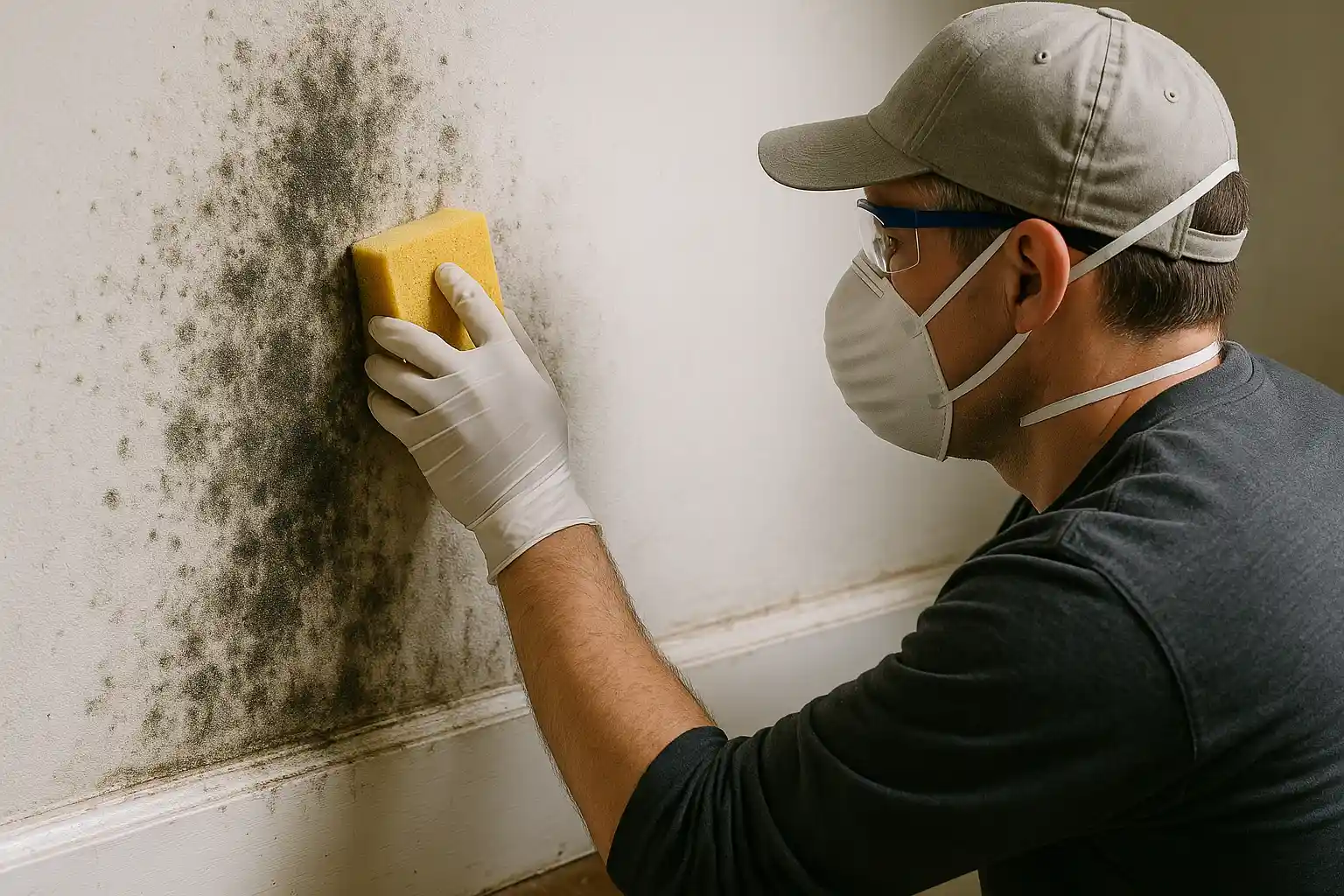
Act quickly when dealing with a sewage backup. Delays in addressing the issue can result in significant property damage and health hazards. Contaminated water from a backup can contribute to mold growth and pose serious risks to your family’s health. Addressing this problem promptly can save you from added stress down the line and can protect your home from extensive damage.
Signs of a Sewage Backup
Recognizing the signs of a sewage backup quickly is essential for early intervention. Here are some key indicators your home might be experiencing this problem:
– Strange noises: If you hear gurgling sounds from your plumbing fixtures, especially after flushing the toilet, it might indicate your pipes are struggling.
– Unpleasant odors: Foul smells from your drains, toilets, or even your yard might suggest a blockage in the sewer line.
– Slow drainage: Drains that empty slowly or seem to get clogged repeatedly can indicate a larger issue within your sewer system.
– Visible sewage: Perhaps one of the most unmistakable signs is the presence of actual sewage water in places it shouldn’t be, such as around floor drains or toilets.
Pay attention to these signals. Quick action can minimize damage. Resolve these issues as soon as possible to keep your living environment safe.
Immediate Steps to Take When You Identify a Sewage Backup
When faced with a sewage backup, certain steps can help control and minimize the situation:
1. Evacuate the Area: Prioritize safety by having everyone leave the affected area. This helps avoid exposure to harmful contaminants.
2. Stop Using Water Fixtures: Curb further problems by avoiding any water use. This prevents additional water from entering the already compromised system.
3. Shut off the Main Water Supply: If the situation seems to worsen, turning off the main water supply can help halt the flow until professionals assess the issue.
Being prepared with this knowledge can make all the difference. Immediate steps like these help keep you and your home safe from the complications a sewage backup can bring.
How to Fix a Sewage Backup
Dealing with a sewage backup isn’t a task most people are equipped to handle on their own. The best course of action is to call in a professional sewage removal service. These experts have the tools and know-how to deal with the issue safely. When professionals arrive, they start by assessing the situation to understand the extent of the damage and identify the cause of the backup. This evaluation is thorough, ensuring there’s no unnoticed issue lingering within the plumbing system.
After the assessment, experts will employ various techniques to clear the blockage and clean up the mess. Common methods include using high-pressure water jetting to remove stubborn clogs or deploying specialized equipment to safely extract sewage water. All areas affected by the backup are thoroughly cleaned and disinfected to prevent the spread of bacteria and other harmful microorganisms. Do-it-yourself approaches can lead to more harm than good, often making issues worse or leaving dangerous conditions unresolved.
Preventive Measures to Avoid Future Sewage Backups
Preventing sewage backups starts with a few proactive practices at home. Regular maintenance of your plumbing system can make a huge difference in avoiding future problems. This includes periodically checking for leaks and ensuring that drains and pipes remain clear of obstructions. One effective preventive step is the installation of a backwater prevention valve. This gadget helps block sewage from flowing back into the house during heavy rains or when the sewer system is overwhelmed.
Equally important is being mindful of what goes down the drain. Proper disposal methods for grease and non-flushable items, like wet wipes or personal hygiene products, can prevent clogs. Grease hardens as it cools, potentially forming blockages in the pipes. Similarly, ensure that household members understand what cannot be flushed. Having periodic professional inspections can also help detect early signs of plumbing issues before they escalate into larger problems.
Wrapping Up: Protecting Your Home from Sewage Backups
Sewage backups are unpleasant, yet with the right knowledge and preparation, they can be managed effectively. Recognizing the warning signs early and knowing the immediate steps to take can minimize the impact on your home and health. Remember that dealing with a sewage backup requires professional attention, and efforts to prevent future occurrences are well worth the investment.
By taking preventive measures, you safeguard your property and ensure a safe living environment. Regular maintenance and mindful handling of waste can spare you from dealing with messy and costly repairs. Though these problems can be daunting, staying informed and prepared keeps your home safe from the disruptions a sewage backup can create.
Facing a sewage backup can be stressful, but you’re not alone in dealing with this messy situation. Trust DryWorx Water Damage Restoration to assist with professional solutions that restore cleanliness and safety to your home. As a leading restoration company vancouver, we specialize in resolving these issues efficiently to protect your health and property. Reach out for expert assistance and reclaim your peace of mind today.