Understanding how water damage affects different flooring types can make a big difference in maintaining a safe and stylish home. Each type of flooring interacts differently with moisture, and knowing these differences helps homeowners make informed decisions. This information is particularly useful for residents in Vancouver, Washington. High rainfall levels can increase the risk of water-related damage in homes, emphasizing the need for robust preventative measures and informed restoration decisions.
When water seeps into your home, it doesn’t just vanish. It can lead to a range of complications, many of which directly impact your floors. Whether it’s a sudden leak or gradual moisture build-up, the consequences can vary significantly based on the flooring material. Homeowners should pay attention to early signs of damage and take necessary action to protect their investment and maintain a comfortable living space.
Understanding Water Damage
Water damage refers to a variety of issues caused when undesired water intrudes and affects materials or structures. This can occur due to leaks, heavy rains, plumbing failures, or accidental spills, among other reasons. Understanding what causes these problems helps in preventing them. In places like Vancouver, Washington, high humidity and frequent rains often contribute to more cases of water damage.
Common causes of water damage in homes include:
– Plumbing Problems: Burst pipes or leaks can quickly escalate, leading to extensive damage.
– Natural Disasters: Heavy rainfall and floods introduce significant amounts of water to areas not designed to withstand such exposure.
– Appliance Malfunctions: Dishwashers, washing machines, or water heaters can leak if not maintained regularly.
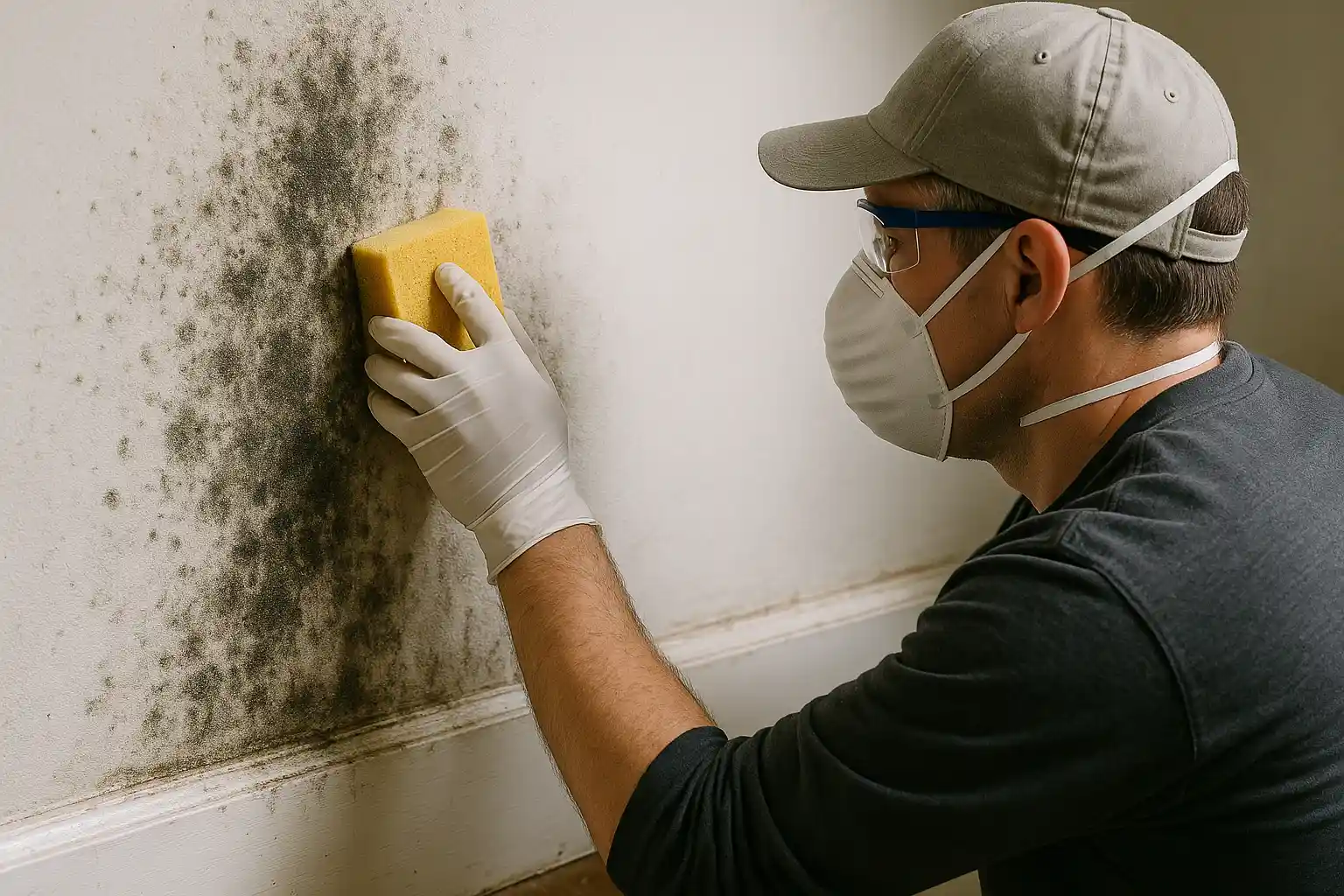
Aside from the visible effects like puddles and damp walls, water damage can lead to mold growth and structural issues that affect the integrity of your home. Immediate attention to water-related problems is crucial to preventing larger issues and higher repair costs.
Impact on Hardwood Floors
Hardwood floors add warmth and elegance to any home, but they are particularly sensitive to moisture. When exposed to water, they can swell, warp, or develop unsightly stains. This not only affects the appearance but also the structural stability of the flooring. One of the first signs of trouble is the cupping of the wood, where the edges rise higher than the center. Another indicator is the development of dark spots that signal prolonged exposure to water.
Preventive measures include maintaining a stable indoor humidity level and avoiding excessive water during cleaning. When damage occurs, early intervention is the key. Professional restoration methods involve drying the wood thoroughly, sanding down any uneven areas, and applying protective finishes. Sometimes, boards that are too damaged may need to be replaced entirely. Ensuring proper air circulation and addressing leaks promptly can significantly reduce the risk of water damage.
Impact on Carpeted Floors
Carpeted floors offer comfort and warmth, but water can be their worst enemy. Carpets soak up moisture like a sponge and can trap it, leading to unpleasant odors and potential mold growth. This isn’t just a headache to deal with; it can also pose health risks if mold takes hold. The signs of water damage in carpets include dampness, a musty smell, and visible mildew or mold.
If you suspect your carpet has been compromised by water, act quickly to mitigate damage. Start by removing as much water as possible using a wet vacuum. Next, increase air circulation with fans and open windows to help dry out the area. Remember, time is of the essence in preventing mold from taking root. For extensive damage, seeking professional help is often necessary to restore the carpet to its original condition and ensure all moisture is eliminated effectively.
Impact on Tile and Laminate Floors
Tile and laminate floors handle water differently from carpets and hardwood. However, they aren’t immune to the effects of water damage. Tile floors can experience grout erosion and loosened tiles, while laminate floors may swell or bubble as the water seeps between the seams.
Signs of water damage in tile and laminate floors sometimes appear in subtle ways, such as slight lifting or bubbling across the surface. Routine inspection is key to catching these early signs. If detected promptly, tiles may need re-grouting to prevent further water intrusion. Laminate floors that buckle might require replacing boards, or even the entire floor if the damage is widespread.
Prevention starts with regular inspections and maintenance. Sealing the grout of tile floors can help repel water, and ensuring laminate seams are tight will discourage moisture from getting underneath the surface. Addressing spills immediately and maintaining a clean, dry environment under appliances that use water will reduce the risk of extensive damage.
Protecting Your Floors From Water Damage
Keeping your floors safe from water damage calls for a proactive approach. Here are some general tips to guard against problems:
– Install water detectors in areas prone to leaks, like under sinks or behind appliances.
– Fix any plumbing issues immediately to prevent small leaks from becoming bigger problems.
– Consider adding area rugs to rooms with hardwood or laminate floors as an additional barrier.
– Schedule regular inspections, especially after heavy rainstorms, to catch any damage early.
Maintaining a watchful eye and performing routine checks can save you from costly repairs down the road. Consistent care and timely interventions are the secrets to preserving the longevity and appearance of your flooring.
Keeping Your Home Safe and Dry
Knowing how water damage affects different flooring types equips homeowners with the knowledge to prevent and tackle any issues effectively. Remember, every floor type has its own vulnerabilities and requires distinct maintenance strategies. By understanding these nuances, you can better protect your home from the subtle but destructive force of water.
Taking swift action when you notice signs of water damage—not only preserves the aesthetic appeal of your home but also ensures a healthier living environment. The effort you put into safeguarding your floors today can prevent greater challenges tomorrow, helping you maintain a cozy and inviting home.
If you’re concerned about the condition of your floors and want to keep your home safe and dry, addressing any issues promptly can make all the difference. For reliable assistance with water-related problems, a trusted water damage restoration company can help. Let DryWorx Water Damage Restoration’s expertise guide you in protecting your home from water damage.