As storm season hits full swing in Vancouver, Washington, it’s important to think ahead before dark clouds even roll in. Thunderstorms can strike fast, bringing heavy rain, lightning, and strong winds that put your property at risk. While it’s tough to predict the full impact of any storm, what you can do is get your home or business ready for whatever comes its way.
Preparing now gives you control over how much damage a storm might cause. From protecting your roof to securing loose items in your yard, a few steps today can help you avoid costly storm damage cleanup later. Whether you’ve lived through years of summer thunderstorms or this is your first season in the area, it’s never too early or too late to start planning for safety.
Assessing Vulnerabilities
Start by taking a good look around your property. Not just a quick glance as you walk by, but a real inspection. Thunderstorms can hit weak points harder than you expect, and those problems can cost you big time once the storm is over.
Here are the first spots you want to check:
– Roof: Look for missing shingles, cracked tiles, or soft spots. Even a tiny gap can let water in. If you’re not comfortable climbing up for a close look, use binoculars or have someone qualified inspect it for you.
– Gutters and downspouts: These can get clogged by sticks, leaves, and dirt. When that happens, water has nowhere to go and ends up overflowing right along your walls or pooling at the foundation.
– Yard and outdoor items: Patio umbrellas, planters, lawn chairs, even kids’ toys—all of it becomes flying debris in high winds. Either bring lighter stuff inside or anchor it down securely.
One useful tip: go outside and imagine strong winds whipping through your space. Anything that can fall, flip, or break apart will need attention. Even items that seem heavy, like metal tables, can slide or tip if they’re not well-grounded.
Clearing out these vulnerabilities protects both your property and anyone nearby. You won’t be able to stop the storm, but you can definitely reduce what it destroys.
Strengthening Your Property
Once you’ve handled the obvious problem areas, it’s time to beef up protection around your home or building. Think of this section like a layer of armor—things that help your space stand strong through wind and rain.
Here’s what to focus on:
1. Windows and doors: These are common weak points. Adding a strong lock isn’t enough. Use weather stripping if you notice drafts, install storm shutters if you want extra strength, or consider replacing older windows with impact-resistant versions.
2. Trees and limbs: Trim any tree branches that hang near your roof, siding, or power lines. If a limb falls during a storm, it can crack shingles or smash a window in seconds.
3. Fencing and sheds: Check fences for stability and tighten any loose panels or posts. Secure sheds or outbuildings to the ground with anchors if needed.
If you’re working with a tight budget, start with windows and big trees. These are the areas most likely to cause trouble during severe weather. One broken window can let gallons of rain inside in just minutes, especially if the wind keeps pushing it in. Reinforcing this part of your property limits how much cleanup you’ll face once the storm ends.
These steps go hand-in-hand with your earlier vulnerability check. Tackle the risks, then build up defenses. Doing both gives your property a better shot at handling storms without needing major repairs afterward.
Emergency Preparedness
Getting your property battle-ready is just part of facing storm season. Being prepared for emergencies keeps you safe and in control if the unexpected happens. It’s never a bad time to think about an emergency kit, especially if you’ve noticed the weather changing.
An emergency storm kit doesn’t have to be fancy, but it should cover basic needs:
– Flashlights and extra batteries in case the power goes out
– A first-aid kit with essentials for treating minor injuries
– Bottled water and non-perishable snacks for a few days
– A battery-operated radio to stay updated on weather conditions
– Important documents in a waterproof bag
Communication is equally important. To stay connected with family or housemates, develop a simple communication plan. The plan might include setting a meeting place or agreeing on a contact outside the storm zone. Know where your utility shut-off valves are for water, gas, and electricity. If a storm seems intense, shutting these off can prevent additional damage from leaks or electrical issues.
Planning for these scenarios makes sure that when a storm hits, your focus can be on what matters most: staying safe and minimizing disruption.
Hiring Professional Help
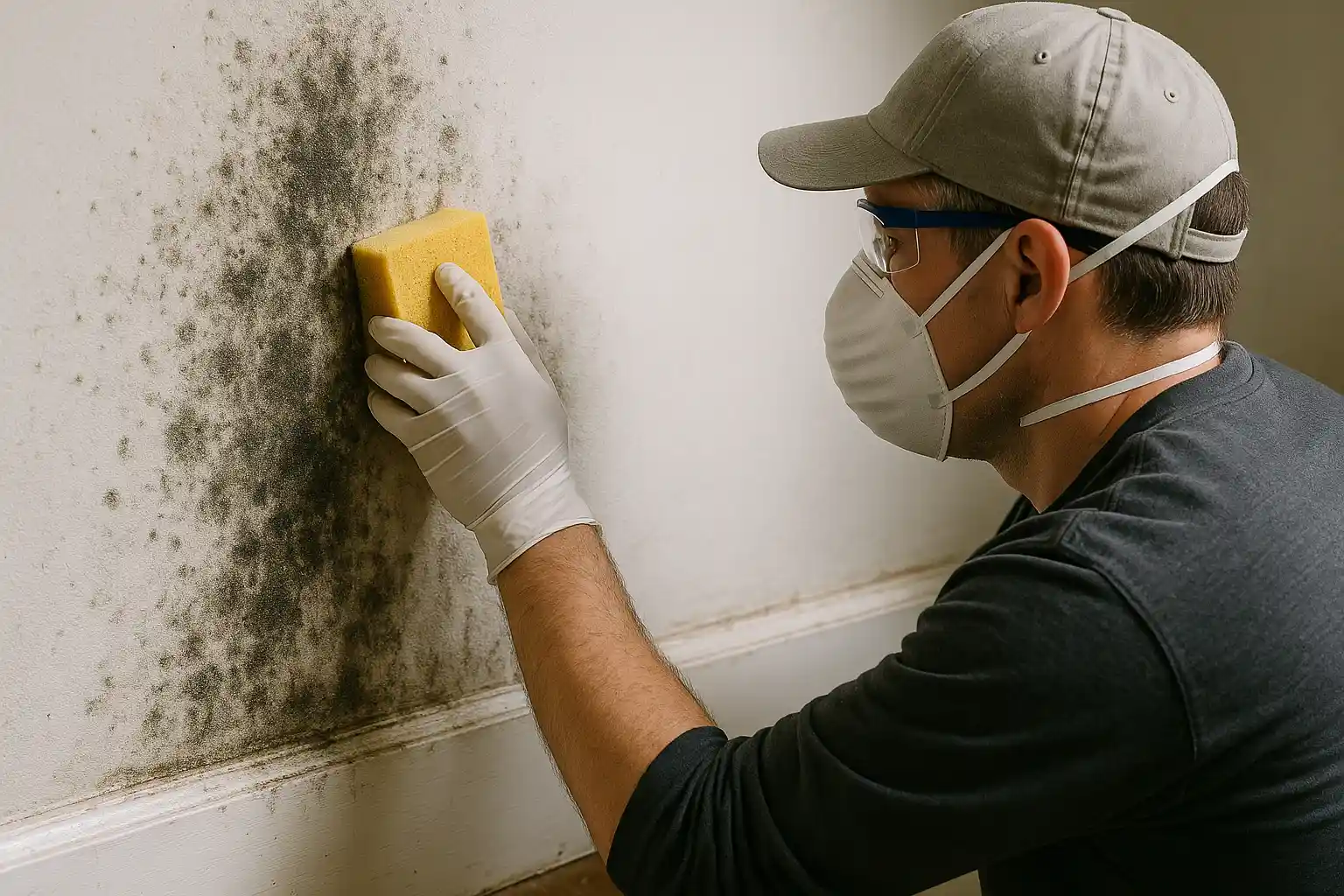
After the rain stops and all seems clear, assessing the true impact of the storm on your property is crucial. Some damage might be obvious, like fallen branches or broken windows, but water damage can be sneaky. Moisture can linger, leading to bigger issues like mold down the line. That’s where expert help becomes a smart move. They’re trained to find issues that are easy to miss and handle the cleanup quickly.
When picking a professional service, look for those specializing in storm damage cleanup. They will know exactly what to do and will have the equipment to get the job done. As soon as possible after the storm, ensure potential issues are inspected so they don’t lead to more serious problems.
Selecting professionals means you can trust them to give your property the detailed attention it needs. This approach prevents further headaches and ensures everything’s right back to normal safely and efficiently.
Keep Your Home Safe During Storm Season
A final recap of how to handle storm preparation gives you a great tool kit for riding out the storm season in Vancouver. Inspect key areas, bolster your defenses, and be ready with a storm kit. By taking these steps, you minimize damage and stress when bad weather kicks in, keeping your home and peace of mind intact.
While no one can stop a storm, being proactive about these preparations helps protect what’s important. Make sure to act now rather than waiting until bad weather arrives on your doorstep. Getting ahead of the storm is something you’ll never regret.
When storm season hits, having a plan is just the beginning. For true peace of mind, count on a reliable partner to help with storm recovery. If you’re dealing with the aftermath and need professional storm damage cleanup, DryWorx Water Damage Restoration is here to help your property bounce back swiftly and safely.