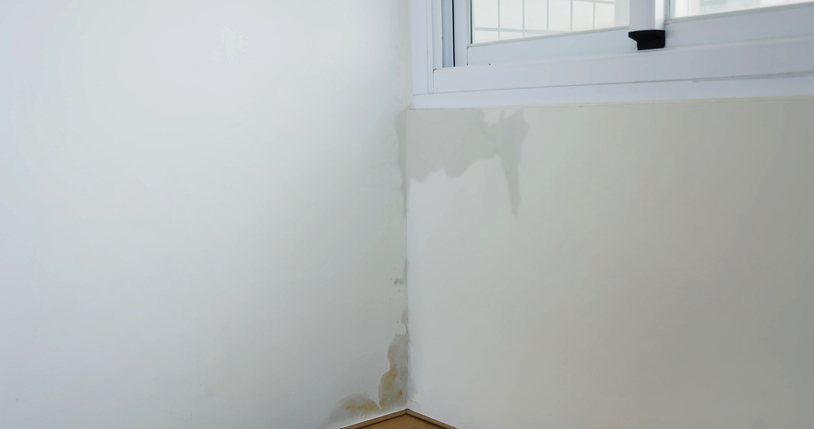
Having a yard offers a serene respite and a place to unwind, but when a sewage backup occurs, it can transform this calm space into a messy headache. Such issues are particularly significant in residential areas like Vancouver, Washington, where diverse weather conditions can exacerbate the problem. Understanding the causes of these unpleasant incidents is vital for homeowners. This article delves into what’s behind these backups and provides straightforward solutions to help you maintain a safe and clean yard.
Sewage backups in yards are more than just a nuisance. They pose both health risks and significant property damage potential. Knowing what triggers these messy situations allows homeowners to take proactive steps in prevention and response. By covering common reasons such as blocked sewer lines and the impact of heavy rainfall, this piece aims to equip readers with the knowledge they need to tackle or prevent these dreadful occurrences.
Causes of Sewage Backups in Yards
1. Blocked or Clogged Sewer Lines: One of the most typical causes of a sewage backup is a blockage in the sewer line. Over time, materials like grease, fat, and paper products can build up and obstruct the normal flow of wastewater. If left unattended, these blockages can lead to an overflow into your yard, creating an unhygienic mess.
2. Tree Root Intrusion: In search of water and nutrients, tree roots can invade sewer pipes, causing cracks and blockages. This is especially prevalent in areas with large, mature trees. Roots can penetrate poorly sealed or older sewer lines, leading to significant blockages that can cause sewage to back up into your yard.
3. Aging or Deteriorating Sewer Pipes: As infrastructure ages, so do the materials used in sewer systems. Older pipes may become brittle and crack, leading to leaks and blockages. These weakened areas in the sewer system can be exacerbated by external pressures such as ground movement or increased load from development, resulting in frequent backups.
4. Heavy Rainfall and Flooding: In regions like Vancouver, heavy rain can overwhelm sewer systems, especially if proper drainage is not maintained. When the system becomes overloaded, the excess water mixed with sewage can push back into residential yards. Flooding increases this risk as the water table rises, putting additional pressure on sewer systems that might already be struggling with capacity.
By identifying these causes, homeowners can remain vigilant and take steps to prevent potential problems. Regular maintenance and inspections, promptly addressing signs of trouble, and making sure your yard and sewer lines are prepared for changes in weather can all contribute to minimizing the chances of backups occurring. Keeping an eye on potential problem areas and understanding the risks involved can save time, money, and a lot of stress later on.
Signs of a Sewage Backup
Detecting a sewage backup early can save a lot of hassle and further damage. Knowing the warning signs helps address the situation quickly. Here are key indicators that might signal a problem:
– Foul odors in the yard: One of the most noticeable signs is a strong, unpleasant smell, similar to that of rotten eggs or raw sewage. This odor often escapes from the ground where the backup occurs.
– Standing water and lush, green patches: Water pooling in areas of your yard where it normally wouldn’t can suggest a problem. Similarly, if certain patches of your lawn look much greener and denser than the rest, despite not having received more water, this could indicate a leak or backup under the surface.
– Slow drainage or gurgling noises in home plumbing: If the plumbing inside your house starts acting up, such as sinks or toilets draining slowly, or making gurgling sounds, it might be linked to a larger issue with your sewer line.
– Visible sewage on the lawn: The most direct sign is visible sewage water or waste appearing on your property. This indicates a significant backup that needs immediate attention.
Immediate Steps to Take When a Backup Occurs
When facing a sewage backup, taking prompt action is crucial for safety and to minimize damage. Here’s a step-by-step guide on what to do:
1. Safety first: Avoid direct contact with affected areas. Sewage water is hazardous and can carry harmful bacteria. Make sure to alert family members or housemates about the situation to prevent accidental exposure.
2. Turn off the water supply: Halting water use reduces the flow into the sewer line, preventing further backup. This step can minimize additional damage to your yard and home.
3. Contact a professional restoration service: This isn’t a DIY task. Professionals come equipped with the right tools and expertise to handle sewage safely and efficiently. They can also assess the extent of the damage and start restoration promptly.
Long-Term Solutions and Prevention
To prevent future sewage backups, consider implementing these long-term strategies:
– Regular maintenance and inspections of sewer lines: Having your sewer lines checked periodically can catch potential issues before they become serious. Regular cleaning can also prevent clogs from forming.
– Installation of backflow valves: These devices ensure that wastewater only flows in one direction, protecting your home from backups during high-pressure events like heavy rains.
– Landscaping considerations to avoid root intrusion: If you have trees on your property, consider their placement relative to your sewer lines. Choosing tree species less likely to invade pipes, or creating barriers, can prevent roots from causing blockages.
– Upgrading old or damaged sewer pipes: If your home has older pipes, consider upgrading to newer, more durable materials. Modern pipes are better at withstanding pressure and are less likely to crack or deteriorate.
By implementing these strategies, homeowners can reduce the risk of experiencing these unpleasant issues. Investing time and resources in prevention not only protects outdoor spaces but also safeguards the well-being of all who call it home.
Keeping Your Property Safe and Healthy
Nobody wants to deal with the aftermath of a sewage backup, so prevention is key to maintaining a healthy yard. Regular care and attention to your home’s infrastructure can go a long way in keeping these problems at bay. Ensuring that your property is well-maintained not only enhances its beauty but also its functionality and safety.
Having professionals inspect and address issues guarantees that everything remains in good condition. Regular inspections, combined with preventive measures, offer peace of mind that your yard remains a safe and pleasant space for everyone to enjoy. While these challenges may seem daunting at first, taking action ensures that your property continues to be a safe haven free from disruptions.
When dealing with sewage problems in your yard, it’s important to act quickly to limit damage and protect your family’s health. You can count on restoration services in Vancouver from DryWorx Water Damage Restoration to handle the situation with care and expertise, restoring your outdoor space and giving you peace of mind.