Mold might look harmless at first, especially when it shows up as light spots on your painted walls. But over time, those patches can lead to serious problems in your home. For Vancouver homeowners, especially during the late summer months when humidity levels stay high, it’s easy to miss the early signs until they’ve snowballed into much bigger issues. Mold doesn’t go away on its own. It spreads quietly behind paint, under wallpaper, or even inside walls. The faster you spot it, the easier it is to stop.
Even if you keep a tidy space, mold can sneak in through places you might not expect. And if you’ve got kids, pets, or allergy-prone family members, mold isn’t just ugly. It’s a real health concern. That musty smell near your living room wall or the faint discoloration above the baseboard shouldn’t be ignored. Catching mold early is the best way to avoid bigger repairs and keep everyone in your home healthy.
Understanding the Risks of Mold on Painted Walls
When you hear the word mold, your first thought might be the black stuff growing in a damp basement or behind a toilet. But one spot that’s often overlooked is your painted walls. Mold can settle on the surface or hide right behind the paint, especially in damp or humid environments like we often see in Vancouver during the summer.
Painted walls are often seen as clean and smooth, but they can mask moisture problems without warning. If water gets trapped between the wall and paint, the area becomes a perfect breeding ground for mold. The problem is that many people don’t realize how much damage mold can do beyond just looking bad. It isn’t just about stains or peeling paint. Mold can cause headaches, itchy eyes, trouble breathing, and more. This is especially true for small children, older adults, or anyone dealing with asthma or other respiratory issues.
These health problems can worsen the longer mold is left to grow. But the damage doesn’t stop at your lungs. Over time, constant mold growth can weaken your drywall. What starts out on the surface may eventually eat into the structure behind it, especially if the wall has been wet before due to a leak or past flooding. Small patches multiply fast, and by the time you spot a problem, there could be far more hiding behind the paint than you thought.
Letting mold sit unchecked means both your health and your home’s structure are at risk. If your painted walls ever feel tacky, bubble up, or start flaking—especially if you smell something off—those are signs something’s happening underneath. Waiting it out can turn a small cleanup into a pricey fix. Worse, that quiet mold could already be spreading to places you haven’t checked yet.
How to Identify Early Signs of Mold on Painted Walls
The tricky thing about mold on painted walls is how subtle it can be at first. You’re not always going to see bright green patches or thick black blotches right away. Early signs often just blend in with everyday wear and tear, which makes them easy to overlook. But knowing what to look and sniff for can help you catch mold early and avoid a bigger problem.
Here are a few clues to keep an eye on:
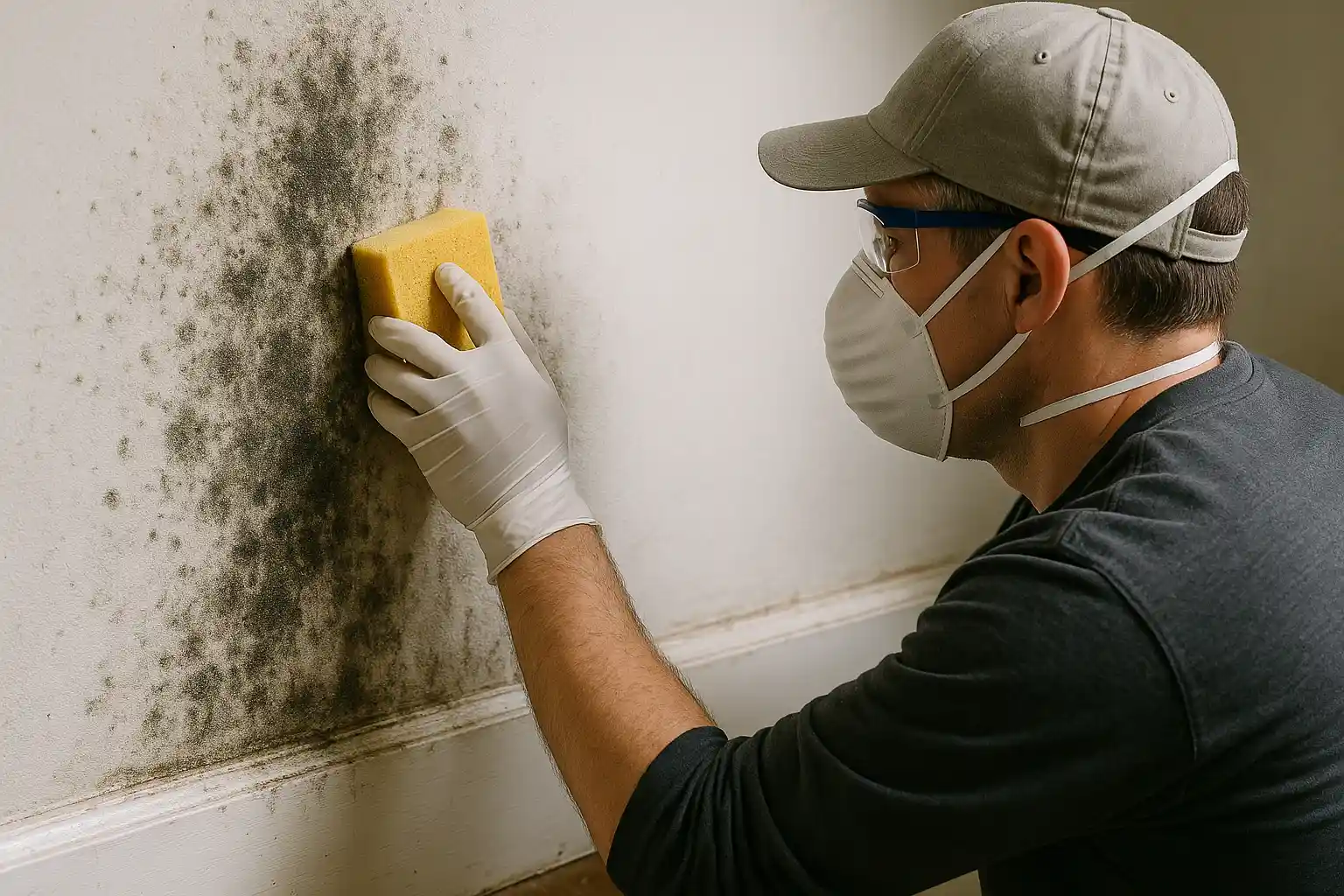
1. Discoloration: Look for light yellow, green, or brown stains, even if they seem faint. These could show up in streaks or cloudy shapes, especially on older paint jobs.
2. Bubbling or cracking paint: Mold behind the paint can cause the surface to lift or peel. Tiny bubbles or warping might also appear, especially near baseboards or around windows.
3. A musty odor: Mold has a very specific smell that’s easy to recognize once you’ve smelled it before. If a room smells earthy or damp despite being clean and dry, trust your nose.
4. Increased allergy symptoms: If you or anyone in your home starts having headaches, coughing, sneezing, or itchy eyes more often in one part of the house, it might not be the pollen outside. It could be mold inside.
5. Moisture nearby: Mold doesn’t just show up randomly. If there’s a history of leaks, condensation, or a lot of steam in a room (like a poorly ventilated bathroom or kitchen), those walls may be at risk.
Doing a quick check once a month, especially during high-humidity seasons, can help you keep tabs on changes. Use a flashlight and look along the surface under windows, near sinks, and behind furniture pushed up against walls. Paint that looks blotchy or feels soft to the touch but doesn’t have another clear reason might have something growing underneath. Taking these signs seriously can prevent a larger issue later.
Causes of Mold Growth on Painted Walls
Mold thrives under specific conditions, and understanding these can help stop it before it spreads. One of the biggest triggers is high humidity. Vancouver’s wet climate provides just the right amount of moisture in the air for mold to thrive. The dampness settles on walls, especially in kitchens and bathrooms, and creates the exact environment mold needs to grow. When moisture is left unchecked, it can seep into painted surfaces and stay there long enough for spores to multiply.
Even small leaks can lead to large problems. A tiny drip under a sink or a slightly cracked window seal might seem minor, but over time, they can allow moisture to pool inside your walls. If those areas stay wet, mold can sneak in and grow behind the paint unnoticed. These problems often go undetected until visible damage starts showing, and by then, there could already be significant growth happening behind the scenes.
Poor ventilation is another major player. Stuffy rooms trap air and moisture, allowing dampness to linger longer than it should. In bathrooms without proper fans or kitchens without range hoods, the lack of airflow lets mold settle in. On top of that, skipped or delayed home maintenance makes things worse. Ignored plumbing issues, poor caulking, and unchecked appliances all contribute to ongoing moisture problems.
Paying attention to these causes can make a big difference. Knowing what conditions invite mold can help you stop it before it harms your walls or your quality of life.
Prevention and Mitigation Strategies
Keeping mold off your painted walls starts with a few simple habits. Controlling indoor humidity is at the top of the list. Using a dehumidifier during Vancouver’s humid months can remove excess moisture from the air. Make sure to ventilate rooms where steam builds up, like the kitchen and bathroom. Cracking open a window or turning on an exhaust fan during and after showers or cooking can help dry things out.
Stay on top of leak detection. Checking your plumbing regularly for signs of drips or loose seals can make a world of difference. If you find a leak, fix it quickly before it soaks your walls or ceilings. Even tiny cracks near the base of a wall can let in just enough water to allow mold to flourish.
Using mold-resistant paint is another helpful step, especially in high-moisture spaces. These types of paint are made to resist mold growth and work well in bathrooms, basements, and kitchens. You can also keep walls clean by wiping them down periodically with mild cleaners or natural options like diluted vinegar. Lastly, dry wet spots fast. Whether from a spill or high humidity, moisture left sitting on a wall can lead to mold growing on or behind it.
By building these habits into your routine, you reduce the risk of mold and protect both your home and your peace of mind.
When to Seek Professional Help
Sometimes, mold problems are simply too big or hidden to manage on your own. If you find mold covering a large section of wall, or you’ve cleaned a spot only for it to return, it’s time to consider professional mold remediation in Vancouver. Large or persistent growth is often a sign of a deeper issue that can’t be fixed with a surface approach.
Professional remediation goes deeper. Experts can locate hidden mold colonies behind the paint, inside the drywall, or under flooring. They follow proven steps to contain, remove, and prevent future growth. Unlike basic cleaning, professionals use specialized tools and systems to keep the problem confined and under control. This protects your family from breathing in mold spores and keeps the surrounding area safe during the cleanup.
Bringing in experts also means you get a full picture of what’s going on. Mold remediation professionals can identify what started the problem, from unnoticed leaks to poorly ventilated areas, and help you fix those root causes. They’ll sanitize the area, recommend preventive measures, and take care of the necessary repairs to give you long-lasting results.
Keep Mold From Taking Hold in Your Vancouver Home
Taking action early is the key to maintaining a metal-healthy home and keeping your walls in good condition. Spotting mold signs quickly, addressing the causes, and implementing smart prevention strategies offer real protection against both inconvenience and long-term damage.
Protect your home from stubborn mold issues by taking proactive measures today. If you’re noticing signs of mold on your painted walls, DryWorx Water Damage Restoration offers specialized mold remediation services in Vancouver to tackle the root of the problem. Let our experts handle it with precision and care, ensuring your home remains a safe and healthy environment. Contact us to restore peace of mind and safeguard your living space.