Summer months in Vancouver often bring more than just sunshine. With July and August typically being humid, homes and businesses can start to feel sticky and uncomfortable. When the air holds too much moisture, your indoor spaces can start to suffer. That heavy, damp feeling in the air isn’t just annoying, it can lead to actual damage in your property if not managed the right way.
Whether you’re dealing with foggy windows, musty smells, or just trying to keep your home feeling fresh, controlling humidity is one of the best ways to protect your space. Over time, unchecked humidity can cause deeper problems behind walls, under flooring, and in rarely used rooms. Let’s talk about why that humidity builds up and what kind of problems it can spark if you’re not keeping an eye on it.
Understanding Summer Humidity In Vancouver Properties
Vancouver, Washington sits in a region that can experience muggy conditions during the height of summer. It’s not just the outdoor heat that makes things feel heavy, it’s the amount of water vapor in the air. Indoors, that moisture gets trapped, especially in buildings with poor ventilation or older insulation. When your indoor air doesn’t cycle out properly, humidity builds up fast and starts taking a toll on your living or working environment.
High humidity indoors can make your property feel warmer than it really is. This leads people to crank up the air conditioner, which doesn’t always fix the issue. AC units may make the space feel cooler, but they don’t always remove enough moisture from the air if they’re not working efficiently or aren’t sized correctly for your home.
Managing summer humidity isn’t just about comfort. It affects the health of your property over time. Continuous exposure to moist air can break down paint, damage wood, and feed mold growth. Controlling that moisture is how you stop larger restoration needs before they start.
Common Problems Caused By High Humidity
If you’ve ever stepped into a room and noticed a musty smell, there’s a good chance it’s due to trapped humidity. Moist environments create perfect growing conditions for all kinds of problems, some of which go unnoticed until they get worse.
Here are a few issues that often show up when indoor humidity gets too high:
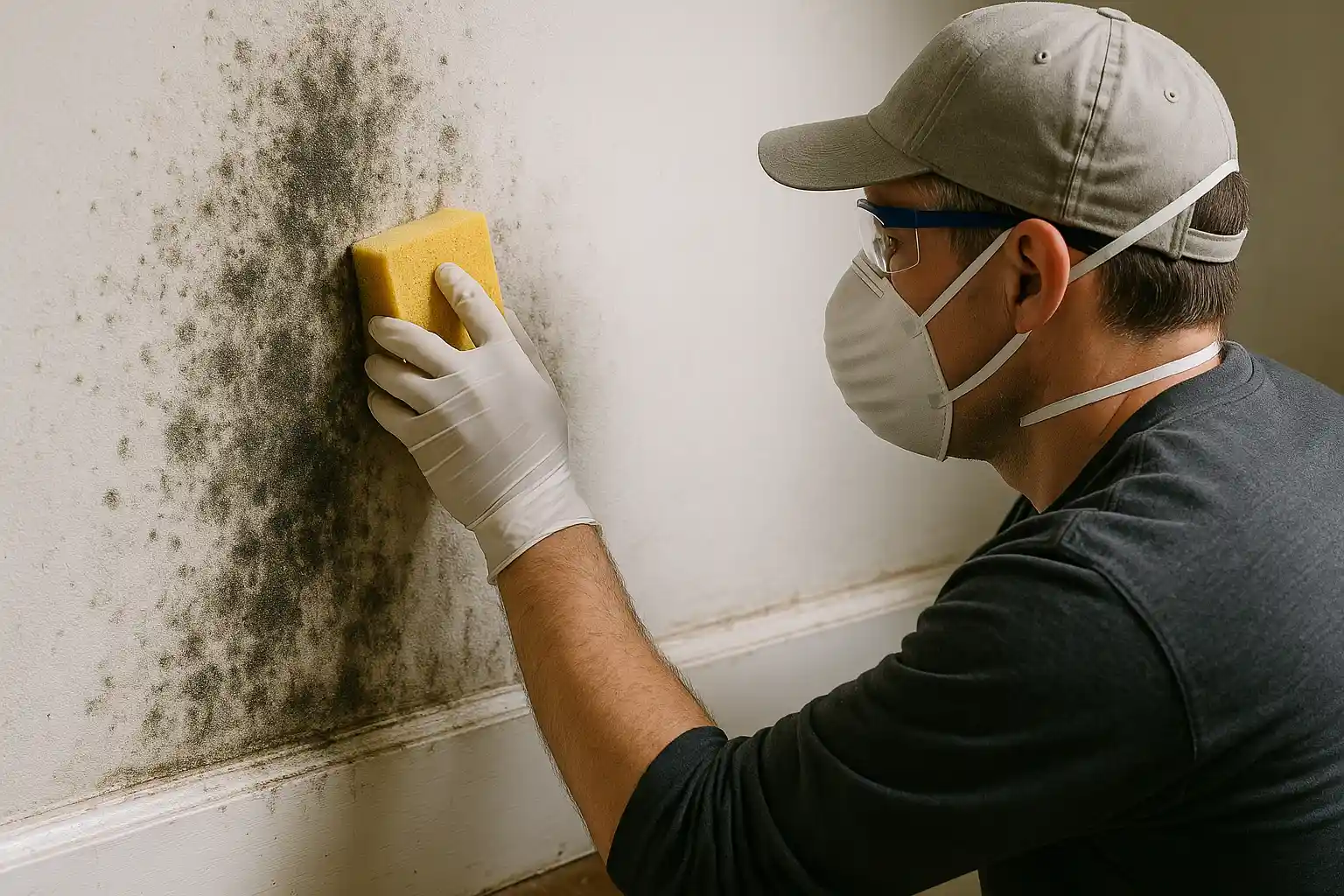
1. Mold growth: Mold loves damp areas like behind baseboards, under sinks, inside attics, and near pipes. Once it starts, it spreads quickly and is hard to contain without professional help.
2. Structural damage: Humidity seeps into wood and drywall. Over time, walls may start to feel soft or paint may peel. Floors can buckle or warp, especially wood and laminate.
3. Pest attraction: Bugs like cockroaches, termites, and silverfish are drawn to humid environments. A damp basement or crawl space could be playing host without you knowing it.
Humidity makes these problems harder to manage because it’s invisible. You might not see the damage until the materials are already weakened or contaminated. A small corner of damp wall from a summer of high humidity can end up turning into a much bigger cleanup job later on. For example, one Vancouver homeowner noticed a small brown spot near a ceiling vent. What seemed like a stain turned out to be a leak soaked with trapped humidity. Mold was growing out of sight in the attic following a stretch of 90-degree days with no airflow.
These issues are easier to handle when addressed early. Learning how to control and monitor humidity can keep your property safer for the long haul.
Effective Methods To Control Humidity
Keeping humidity in check inside your home might feel like a big job, but there are pretty straightforward ways to tackle it. One of the first steps is making good use of dehumidifiers and air conditioners. Using a dehumidifier is like inviting a guest who absorbs your home’s moisture. Make sure your dehumidifier is the right size for your space, and let it run in damp areas. Paired with an air conditioner, which cools and dries the air, you’re on your way to solving most humidity problems.
Ventilation plays a big part, too. Opening windows when the air outside is less humid, like early in the morning or late in the evening, can help. Exhaust fans in bathrooms and kitchens prevent moisture from staying trapped. If your property has older insulation, exploring upgrades can reduce how much moisture sneaks into your living areas.
Sometimes gadgets aren’t enough. Houseplants like peace lilies or Boston ferns act like little air purifiers, pulling moisture right out of the air. Silica gel packets or damp-rid products in closets and cabinets can also make a difference. Even something as simple as placing a moisture-resistant mat at entryways can help keep additional dampness from getting inside.
Preventing Water Damage During Humid Months
Keeping track of your home’s needs is more than just basic cleaning. During the humid summer months, being on the lookout for signs of water damage makes a difference. Routine inspections can keep you one step ahead of major problems. Check spots like windowsills, under sinks, near tubs, and in basements for wetness, stains, or peeling surfaces. If you notice warped floors or a soft wall, it might be linked to trapped moisture.
Small habits help. Address any leaks or drips quickly. Let a professional review anything that looks suspicious, since some damage may be hidden and tricky to detect on your own. If you’re in Vancouver, having someone familiar with local weather patterns take a look adds peace of mind.
Think of these steps like insurance for your space. Whether it’s your home or business, spotting moisture early can save time, money, and effort later. And it helps you avoid breathing problems or mold growth linked to damp indoor air.
Keeping Your Property Safe And Comfortable
Chances are, you already follow some smart habits around your home or property. Still, when humidity levels spike, it’s a good idea to adjust your routine a bit. One simple habit is keeping a seasonal maintenance checklist. Tasks like sealing leaky windows or making sure your HVAC is tuned up before summer rolls in are easy ways to stay ahead of the game.
Your indoor air quality matters just as much. Filters in air purifiers, HVAC systems, and portable AC units need to be checked and cleaned or replaced. Using a good balance of dehumidifiers, fans, and open windows will help you create a more pleasant indoor space, even when the outdoors feels muggy.
Experts can help make things easier. They know where to look and what to test for. If you’re not sure whether a problem is tied to humidity, getting a second opinion lets you rest easier. Especially in summer, a little expert help goes a long way in creating a cleaner and safer home environment.
Keeping Humid Weather From Taking Over
Staying on top of humidity means less stress about your space. Whether you want to keep your house cool or avoid damage, taking humidity seriously helps you stay in control. In Vancouver’s summer season, moisture in the air creeps into unexpected places, so a plan is your best defense.
If you’ve already dealt with damp smells or peeling paint, now is the time to act. Professionals can spot what you might miss and fix small problems before they grow. Even properties that feel dry on the surface may be trapping moisture behind the walls.
When you take humidity control seriously, you protect not just your property but your comfort. Vancouver summers don’t have to mean musty air, sticky rooms, or soaring repair costs. A little awareness and the right support now can stop bigger issues from creeping in later.
For residents in Vancouver looking to avoid costly damage and maintain a healthier indoor environment, getting ahead of moisture issues during summer is key. DryWorx Water Damage Restoration is here to help you protect your home or business with fast, dependable support. Learn how we can assist with water restoration in Vancouver WA and keep your property in top shape during the most humid months of the year.