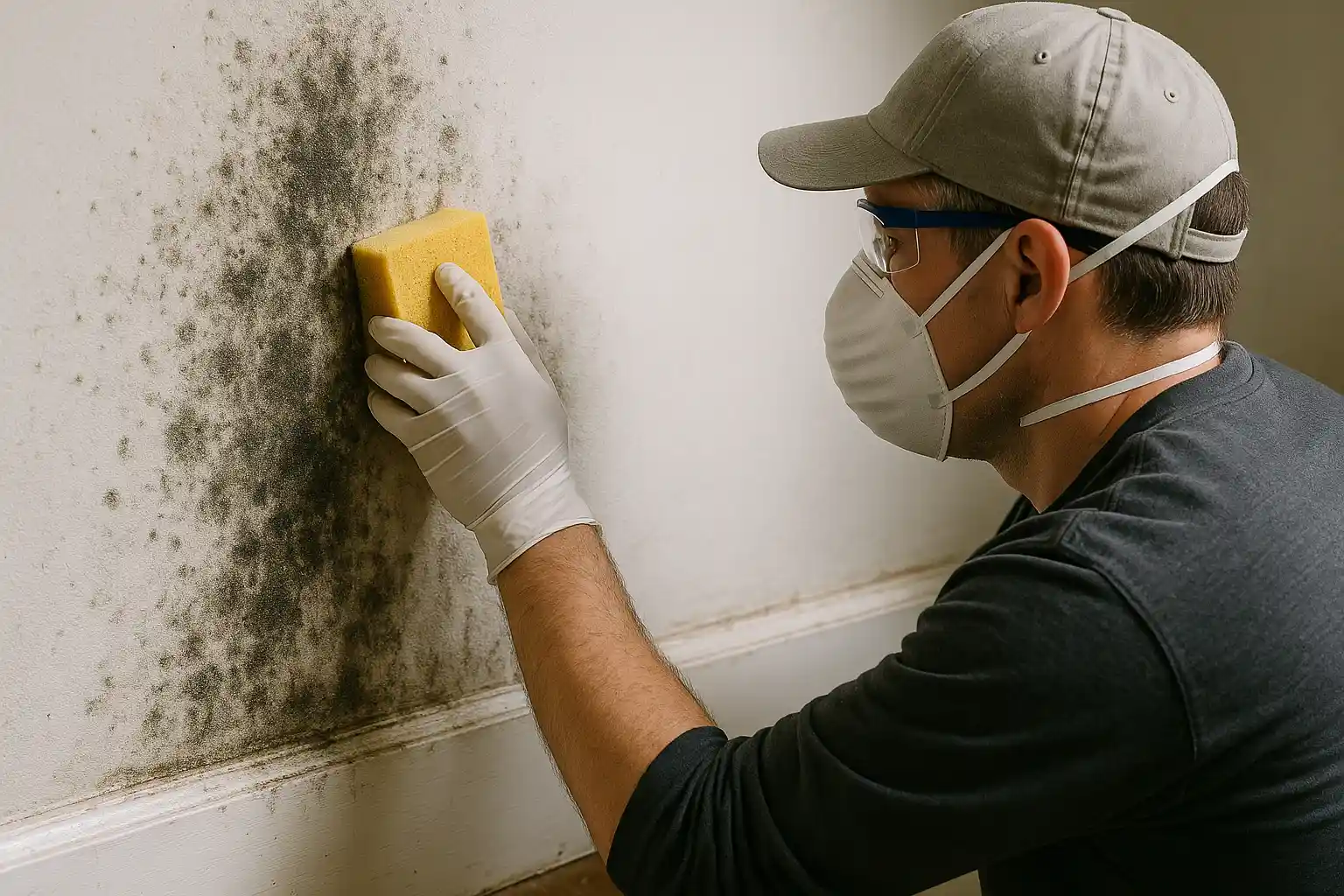
Sewage Clean up Vancouver WA situations can turn a peaceful home into a health hazard and an expensive mess in minutes. Homeowners in Vancouver, WA need to understand both the root causes of backups and the measures that keep wastewater flowing freely through gravity sewers, pump stations, and private lateral pipes. Recognizing warning signs and acting swiftly can limit structural damage, mold growth, and public health risks. This guide explores the top causes of sewage backups and offers clear, actionable prevention strategies for local properties.
What causes a sewage backup?
Sewage Clean up Vancouver WA demands understanding the underlying triggers that force wastewater to reverse flow into plumbing fixtures. Aging clay or cast-iron pipes develop cracks and corrosion over decades, inviting blockages and leaks. Tree root intrusion is notorious for exploiting the smallest joint gaps, gradually constructing a tangled barrier inside sewer lines. Improper disposal of grease, “flushable” wipes, and other non-degradable materials adds internal clogs that slow drainage and increase pressure.
Aging or damaged sewer lines often collapse under soil movement or freeze-thaw cycles, creating low points that trap debris. When joints separate, small perforations can admit tree roots, insects, and sediment. This structural deterioration may occur in both private laterals and public mains, leading to chronic backups and contamination of groundwater.
Tree root intrusion begins when roots sense moisture around a tiny crack or hole in your pipe. Over time, root tips swell, expanding to fill the pipe’s interior and catching hair, grease, and sediment. Once a root mass forms, standard augers struggle to cut through, requiring hydro-jetting or trenchless pipe lining solutions.
Improper waste disposal continues to be a leading culprit. Pouring cooking oil down kitchen drains or flushing hygiene products creates solid masses that accumulate. Grease congeals as it cools, sticking to pipe walls and narrowing flow paths until even clean water backs up through floor drains and toilets.
Heavy rainfall and stormwater infiltration into combined sewer lines can overwhelm Vancouver’s 791 miles of collection pipes. A combined sewer overflow (CSO) system links storm and sanitary sewers, so intense storms may push excess water backward into residential and commercial plumbing.
Municipal system failures—from blockages near pump stations to sediment buildup in gravity trunks—can also precipitate backups on private property. When the city’s mainline clogs or a pump station experiences an outage, homeowners at the low end of the system risk infiltration of raw sewage.
| Cause | Prevention |
| Aging or damaged sewer lines | Schedule video inspections and replace pipes |
| Tree root intrusion | Install root barriers and hydro-jet annually |
| Improper waste disposal | Educate household on FOG disposal and wipes |
| Heavy rainfall & stormwater overload | Add backwater valves and sump pumps |
| Municipal system failures | Report slow drains to Public Works promptly |
Sewage Clean up Vancouver WA: Proactive Prevention Strategies
Sewage Clean up Vancouver WA services often emphasize proactive steps that safeguard against costly backups. Routine inspections and maintenance keep both private sewer laterals and municipal connections functioning correctly. Implementing sewage backup prevention Vancouver WA tactics reduces health risks posed by bacteria, viruses, and toxic gases present in wastewater. Effective strategies combine simple homeowner practices with periodic professional interventions to maintain clear, gravity-fed flow.
Proper disposal of fats, oils, and grease (FOG) stands at the top of any prevention plan. After cooking, allow grease to cool and solidify in a heat-resistant container. Discard the sealed container in your household trash rather than pouring down the drain. This eliminates the risk of grease buildup that catches hair, soap scum, and paper products.
Scheduling professional sewer line cleaning at regular intervals—typically every 12 to 24 months—removes sediment, root debris, and scale. Hydro-jetting uses high-pressure water to scour the interior of your pipes, restoring optimal diameter and flow. Paired with CCTV inspection cameras, technicians can identify yawning cracks, sagging joints, or ongoing root ingress.
Backflow prevention devices, sometimes called backwater valves, install at the junction of your lateral and the city sewer main. They automatically close when wastewater attempts to flow toward your house, blocking reverse flow during heavy rains or mainline clogs. It’s crucial to test and maintain these valves annually to guarantee reliable operation.
Maintaining a functioning sump pump and directing gutter downspouts away from foundation drains mitigates stormwater infiltration. When rain overwhelms the ground near your foundation, water can seep into clean-outs or floor drains, increasing the volume your sanitary system must handle. A well-maintained sump pump and clear roof drainage preserve pipe capacity for sewage alone.
In landscaping, choose trees and shrubs with non-invasive roots and plant them at least 10 feet from sewer clean-outs. If mature trees already encroach on sewer lines, consult an arborist about root barrier installation or periodic chemical root control.
When you choose Sewage Clean up Vancouver WA specialists who combine homeowner diligence with professional inspections, you establish a multi-layered defense against backups. This holistic strategy minimizes risk and avoids the disruption of emergency cleanup.
Why is regular sewer line cleaning important?
Sewer line cleaning Vancouver WA professionals recommend comprehensive maintenance to prevent clogs and structural decay. Over time, mineral deposits, grease, and soap scum adhere to pipe walls, reducing flow and creating turbulent eddies that trap debris. These restrictions can cause gurgling drains, slow drainage, and foul odors emanating from floor drains and sinks.
Advanced cleaning methods like hydro-jetting clear these built-up residues without damaging modern PVC lines or older clay pipes. Technicians direct pressurized water through a specialized nozzle, dislodging blockages and blasting accumulated scale. This process not only restores full flow but also identifies problem areas visible on CCTV inspections.
During a sewer cleaning service, professionals also check the integrity of joints, locate clean-out plugs, and verify slope consistency. Ensuring your lateral maintains a minimum 1/4 inch per foot grade is critical; insufficient slope leads to stagnant zones and sediment deposition. Correcting these misalignments during scheduled service eliminates future cliff-hanger backups.
Periodic sewer line cleaning holds a secondary benefit: it reveals budding root intrusion before a full blockage forms. By removing small root hairs and preventing them from thickening, hydro-jetting delays or eliminates the need for costly pipe replacement or trench excavation.
What to do when you face a blocked drain?
When a stubborn clog resists plungers and enzymatic drain cleaners, it’s time to book blocked drain cleanup Vancouver WA assistance. Attempting aggressive DIY methods—such as chemical drain opener overuse—can erode pipe interiors and harm downstream septic systems or water treatment plants. With raw sewage backups, homeowners must also consider health risks from harmful pathogens.
If multiple fixtures back up simultaneously, or sewage emerges from floor drains, immediately shut off water to reduce further inflow. Avoid contact with contaminated water and never use your home’s vacuum to remove liquids. Call a licensed cleanup crew with biohazard experience to extract sewage, disinfect affected surfaces, and dispose of waste in compliance with local regulations.
Cleanup professionals bring industrial-grade vacuums, submersible pumps, ozone generators, and EPA-approved disinfectants. They execute efficient decontamination, apply antimicrobial coatings, and run negative-pressure air scrubbers to restore safe indoor air quality. Attempting to manage raw sewage without specialized gear exposes families to bacteria like E. coli, hepatitis A, and parasites that can cause severe illness.
Engaging experts also streamlines insurance coordination and claims documentation. Detailed records of contamination zones, moisture maps, and cleanup protocols support your coverage for damage repair and replacement of ruined materials.
For immediate assistance, Contact us any time of day or night. Our technicians guarantee fast arrival, transparent pricing, and professional handling of your blocked-drain crisis.
How does Vancouver WA’s wastewater system influence backups?
Vancouver, WA operates an extensive wastewater network managed by the City of Vancouver Public Works and the Clark Regional Wastewater District. The system includes nearly 791 miles of sanitary sewers, 48 pump stations, and two treatment facilities that serve roughly 244,000 residents across 58.6 square miles. Combined sewer overflow (CSO) areas route stormwater and sewage in the same pipes, heightening backup risk during winter storms.
Properties at the low end of gravity sewers or near combined system outfalls face heightened vulnerability. During intense rainfall, pipelines can approach capacity, pushing wastewater back into private laterals. Homeowners in these zones should strongly consider installing backwater valves and secondary floor-drain check valves.
Regular communication with public works helps expedite responses to mainline clogs or pump station outages. Reporting slow drains, unusual gurgles near manholes, or localized flooding assists municipal crews in targeting maintenance efforts. Public-private collaboration amplifies system resilience, reducing the chance of downtown backups.
When should you turn to professionals for blocked drain cleanup?
Persistent gurgling in multiple fixtures, sewage seeping around clean-out caps, or visible pooling in basement drains signal that professional intervention is overdue. Licensed plumbers and remediation crews employ CCTV camera inspections to pinpoint the blockage location, material composition, and pipe condition without excavation.
If your home relies on an older sewer lateral made from clay, Orangeburg, or tar paper (common in properties built before the 1980s), it’s wise to schedule service every 12 months. Trenchless pipe lining or sectional pipe replacement can rehabilitate failing sections, extend system life, and prevent sudden failures.
A professional blocked drain cleanup Vancouver WA team also identifies contributing factors like poor pipe slope, incompatible joint types, or illegal sewer connections. By addressing these issues proactively, they safeguard your property against repeated backups and skyrocketing repair costs.
To ensure your property is protected, trust in DryWorx Water Damage Restoration to deliver thorough assessments, advanced cleaning, and long-term solutions tailored to Vancouver’s unique sewer infrastructure and climate.
Conclusion
Sewage Clean up Vancouver WA challenges can be daunting, but understanding the top causes of backups—from aging pipes and root intrusion to heavy storms and improper disposal—empowers homeowners to act decisively. Proactive measures like routine hydro-jetting, backflow valve installation, proper FOG disposal, and regular sewer line cleaning Vancouver WA ensure continuous wastewater flow and protect against costly disruptions. When clogs occur, timely engagement of a licensed remediation specialist minimizes health risks and structural damage. For dependable service that blends local expertise with cutting-edge technology, homeowners can count on DryWorx Water Damage Restoration, a leader in emergency sewage backup solutions and long-term prevention.
Frequently Asked Questions
What causes a sewage backup?
Sewage backups often stem from aging or damaged sewer lines that crack and collapse under soil movement. Tree roots can invade any joint gap, expanding inside pipes and ensnaring debris until flow is obstructed. Improper disposal of grease, wipes, and other non-degradable materials further exacerbates clogs by building sticky masses that trap household waste.
How can homeowners prevent sewage backups in Vancouver WA?
Preventive steps include disposing of fats, oils, and grease (FOG) in sealed containers rather than drains, scheduling professional hydro-jetting every 12–24 months, and installing backwater valves at the sewer-lateral junction. Maintaining a functioning sump pump and directing roof downspouts away from foundation drains also reduces stormwater infiltration that stresses combined sewer systems.
What is sewer line cleaning and why is it necessary?
Sewer line cleaning uses methods like hydro-jetting and mechanical rodding to clear grease, scale, sediment, and root fragments from pipe interiors. Regular cleaning prevents build-up that narrows pipes, disrupts gravity flow, and leads to backups. Combined with CCTV inspections, it identifies hidden damage and emerging root ingress so repairs can be made before a full blockage forms.
When should I call for blocked drain cleanup Vancouver WA?
If multiple fixtures start draining slowly, gurgling sounds emerge, or sewage appears at floor drains or clean-outs, it’s time to call professionals. Repeated clogs after plunging or drain-cleaning chemicals indicate deeper issues best addressed with CCTV inspection, hydro-jetting, and, if necessary, trenchless pipe repair to restore reliable flow.
What should I do immediately after a sewage backup?
First, stop using water in the affected area and avoid contact with contaminated water. Shut off power if standing water is present to prevent electrocution. Then contact an experienced sewage remediation team to extract wastewater, disinfect surfaces, and coordinate insurance documentation for damage repair.