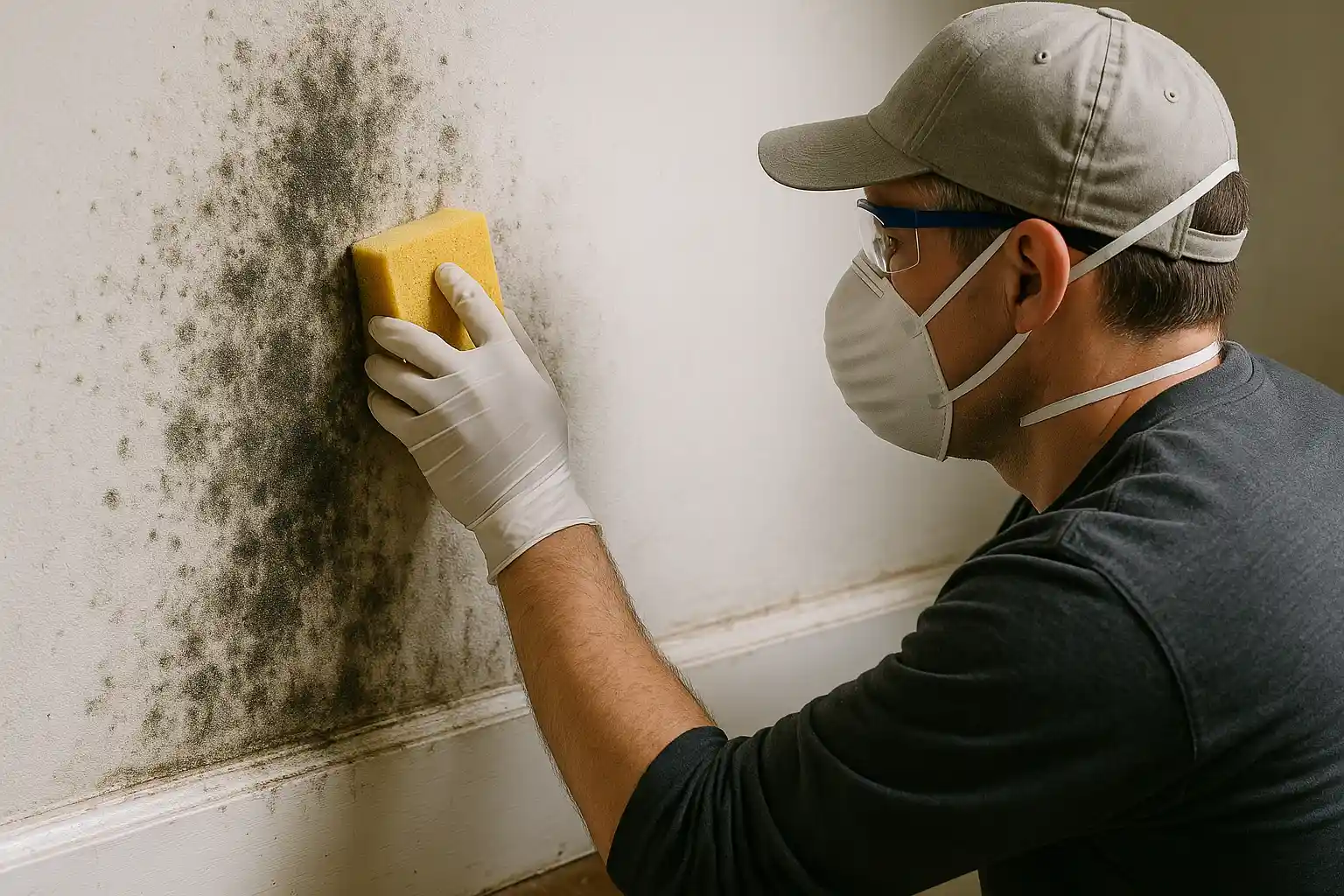
Black mold lurking in your attic can be more than just an eyesore. It’s a sneaky problem that can spiral into health and property issues if not addressed promptly. Attics, often forgotten and underused spaces, provide the perfect breeding ground for mold due to their relative warmth and humidity. Identifying black mold early is crucial to preventing further damage. This unwelcome guest can eat away at building materials, affecting the integrity of your home, and its spores can trigger health problems like respiratory issues and allergies.
Mold isn’t just a nuisance; it poses real risks. If you start noticing symptoms such as persistent coughing, sneezing, or skin irritation, your attic might be harboring a problematic secret. Knowing the warning signs, taking proactive steps, and understanding the causes can make all the difference in maintaining a safe living environment. Let’s explore these warning signs and how to handle them effectively.
Signs of Black Mold in Your Attic
When it comes to detecting black mold in your attic, a keen eye and a sensitive nose can be your best tools. Here’s how you can spot the telltale signs:
– Visual Indicators: Black mold often appears as dark spots or stains. It thrives on wood surfaces, insulation, and drywall, frequently found around vents, corners, and near sources of moisture. Inspect these areas for any unusual discoloration or spotting.
– Musty Odors: Mold has a distinct smell, often described as musty or earthy, similar to the scent of damp leaves. If your attic has a persistent, unpleasant odor, it’s wise to suspect mold might be at play.
– Health Symptoms: If you or your family members experience unexplained coughing, sneezing, or allergic reactions, mold exposure could be the culprit. Mold spores in the air can affect health even before they become visible.
Recognizing these signs early can prevent more significant issues. When you encounter any of these indicators, consider them red flags that demand immediate attention. Addressing them promptly helps not only in preserving your home’s structural integrity but also in safeguarding the health of everyone under your roof.
Causes of Black Mold in Attics
Understanding the root causes of black mold is key to tackling it effectively. Moisture problems are the primary culprits. Attics often suffer from leaks or condensation that create an ideal environment for mold. Leaks might come from the roof, possibly due to damaged shingles or poor flashing. Sometimes, condensation forms when hot air escapes from the living spaces and meets the cooler attic, creating moisture. Proper attic ventilation is crucial to prevent this moisture buildup. By ensuring good airflow, you can significantly reduce the risk of mold growth.
Humidity is another factor that encourages mold in attics. When the air becomes too humid, mold spores get the perfect environment to multiply. To keep humidity in check, consider installing or fixing vents and using dehumidifiers. Regularly checking humidity levels can help keep your attic safe and dry. An example of effective prevention is learning from those who’ve encountered mold growth because they ignored such problems until it was too late. Addressing these issues early is a protective step for your home.
What to Do if You Find Black Mold
Discovering black mold in your attic can be alarming, but the right approach makes all the difference. First, ensure you take safety precautions. Wearing protective gear like gloves, masks, and goggles can prevent exposure to mold spores. Avoid disturbing the mold or attempting DIY removal, as this can release spores into the air, exacerbating the problem.
Hiring professionals for mold remediation is the best course of action. They have the expertise and equipment to handle mold safely and thoroughly. Professional services ensure that the root cause of the mold is addressed, reducing the chances of its return. While it might be tempting to save a few bucks with quick fixes, relying on experts guarantees that the mold won’t simply come back stronger. They provide tailored solutions that protect your home and health.
Preventing Black Mold in Attics
Preventative measures can save you a lot of trouble down the road. Regular inspections are a simple yet effective way to keep your attic in check. Create a checklist for your inspections, which should include looking for damp spots, checking insulation, and ensuring no light is coming through the roof. Regular checks help you catch minor issues before they escalate into major problems.
Promptly fixing any leaks is another essential step. As soon as you notice leaks from roofs or ceilings, address them quickly. Even small leaks can lead to significant mold problems if left unattended. Keeping the attic dry and well-ventilated is crucial. This not only prevents mold but also preserves the overall condition of your home, keeping it safe and comfortable for you and your family. Remember, prevention is always easier and less costly than dealing with the aftermath of mold damage.
To prevent health issues and property damage caused by black mold, taking swift action is important. Tackle mold problems in your attic with professional support. Trust the experts at DryWorx Water Damage Restoration to handle mold safely and thoroughly. Our team ensures your attic stays mold-free and your home remains protected. Learn how we can help by exploring our mold remediation services.