By August, summer in Vancouver, Washington has usually peaked. But that doesn’t mean home maintenance gets easier. For many homeowners, late summer can bring a surprising problem: water in the basement. It’s not just the rain that causes trouble. The ground gets saturated, temperatures swing, and indoor humidity climbs too. All of those things work together to create the perfect storm for moisture incidents below ground level.
Ignoring basement water issues this time of year can lead to more than just damp concrete. Moisture sneaks in through walls or cracks, soaks into carpets, and sets the stage for mold. Whether it’s that strange musty smell or dark patches spreading across foundation walls, late summer brings patterns that just don’t show up during other seasons. That’s why it’s so important for Vancouver homeowners to know what to watch for and how to respond.
Common Basement Water Problems In Late Summer
As summer drags on, several environmental and weather-related factors combine to make basements more prone to moisture issues. While these factors may not seem connected at first, they play off each other in ways that end up soaking your basement or making it feel like a swamp.
Here’s why that happens:
1. Frequent Late-Season Rain
August can bring bursts of rainfall that the ground just isn’t ready for. Vancouver summers often begin dry, which hardens the surface of the soil. When it rains later on, water doesn’t absorb as easily and starts pooling along basement walls.
2. Soaked Soil Around the Foundation
Once the ground has reached its limit, water starts looking for the path of least resistance. If the soil around your home becomes waterlogged, that pressure pushes moisture right into any weak spots like cracks or joints in the basement walls.
3. Higher Humidity Indoors and Outside
The air can hold more moisture during late summer, and that humidity doesn’t stay outside. When humid air hits cool surfaces like concrete walls or pipes in your basement, it forms condensation. Over time, that buildup adds moisture to the space and can lead to the slow spread of dampness.
Each of these problems can show up by itself, but more often than not, they build up together. One Vancouver homeowner noticed puddles showing up near the walls after a week of pop-up storms, thinking it was a plumbing issue. But it turned out to be runoff from their back patio, where years of soil erosion had lowered the grade into the foundation. That’s the thing with basement water problems—they often begin with small signs most people wouldn’t notice until it’s too late.
Warning Signs To Watch Out For
Catching basement water problems early can prevent long-term frustration and expensive restoration costs. The problem is that many of the warning signs are easy to dismiss or blame on something else. If you live in Vancouver and it’s late summer, keep an eye and nose out for the following:
– Musty Smell
If your basement smells damp or stale, that’s usually a sign that moisture is lurking somewhere out of view. Mold feeds on that trapped dampness, even if there’s no visible puddle.
– Water Stains Or Soft Spots
Look along the base of walls, corners, and the underside of carpets. Odd discoloration or peeling paint could mean water has been slowly seeping through from outside or underneath the floor slab.
– Visible Mold Along Edges Or Corners
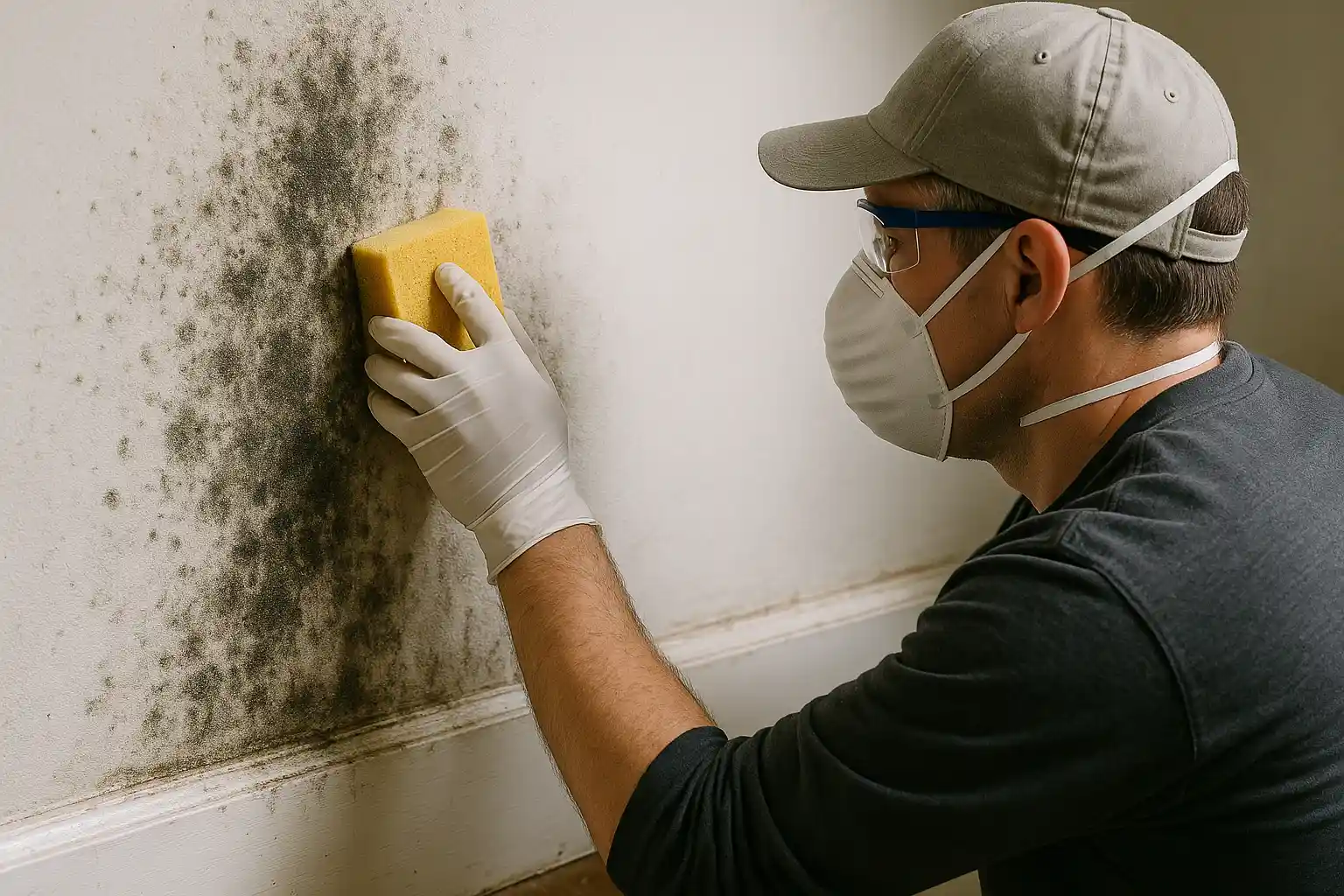
Mold isn’t just something people find in bathrooms or kitchens. Basements can hide patches along windowsills, in storage corners, or behind furniture. If you spot dark blotches or white fuzzy growths, that’s a red flag for moisture collecting in those nearby materials.
– Warped Wood Or Rust On Metal Items
Wood shelving that starts to warp or rust spots popping up on tools stored in your basement can point to high humidity levels over time.
– Condensation On Pipes Or Walls
If you’re seeing sweaty pipes or wet streaks on walls, that’s a good indicator that the air is holding too much moisture and needs better ventilation or dehumidifying.
Spotting these signs early enough makes all the difference when it comes to managing water problems before they spread or turn into mold trouble. When they’re ignored, what begins with a few damp corners can lead to structural cracks or even electrical risks later on.
Preventative Measures For Homeowners
It’s a relief to know there are steps you can take to fend off basement water issues before they escalate. Being proactive not only saves your basement from becoming a soggy headache but also protects the value and safety of your home in Vancouver. Here’s how you can guard your basement against late summer moisture problems:
– Install And Maintain Proper Drainage
Make sure your home’s drainage system is in top shape. Regularly clean gutters and downspouts to prevent blockages that lead to overflow and increase water pressure around your basement walls.
– Use Dehumidifiers
Combat high humidity levels common in late summer by using a dehumidifier. This helps remove moisture from the indoor air, reducing condensation on basement surfaces like pipes and walls.
– Seal Cracks And Gaps
Inspect your basement regularly for any cracks or gaps, especially in walls and foundations. Sealing these imperfections can prevent water from seeping inside and cut off moisture at its entry point.
– Landscape Smartly
Ensure the ground around your home slopes away from the foundation. This stops water from pooling at the base of your home and pushing against basement walls.
These measures are worth the effort. A Vancouver homeowner once overlooked a corner of their basement where boxes were always damp. They finally discovered a hairline crack behind some storage bins. After sealing the crack and redirecting their downspouts, the dampness cleared up. Small changes can prevent bigger problems later.
How Professional Services Can Help
When moisture problems get out of control, professionals can step in to manage the situation and stop it from coming back. It’s often a smart move to reach out to experts when:
– A situation feels too large to fix alone
– Water or mold damage is already visible
– You’re unsure where the moisture is coming from
Here’s how professional services can make a difference:
– Thorough Inspection
Experienced technicians use specialized tools to spot hidden issues, even behind walls or under flooring. This helps get to the root of the problem instead of just handling surface damage.
– Solid Fixes
Professionals know what works best for Vancouver homes and climate conditions. They can improve drainage systems, waterproof walls, and apply protective coatings that resist future moisture.
– Less Risk Later
Hiring experts lowers the chance of repeated damage and gives you peace of mind. Instead of guessing or constantly checking damp spots, you know the problem was handled correctly from the start.
DryWorx Water Damage Restoration helps homeowners in Vancouver with reliable solutions and friendly service. Our goal is to restore your basement so you can relax and feel confident your home is protected.
How to Stay Ahead of Basement Trouble This Season
Addressing basement problems before they grow saves you from hassle and expense later on. With late summer’s unique challenges, doing a regular check and maintaining your defenses is smart if you want to stay one step ahead.
Basement water problems are more than annoying. They can ruin furniture, damage the structure of your home, and create unhealthy air. So if you’re dealing with moisture or just want to be cautious, there’s no time like now to get started. Keeping your space dry helps make your home feel safe, clean, and worry-free during the rest of the year.
Keep your home safe and comfortable this late summer by staying on top of potential basement issues. If you’re dealing with these moisture complications, DryWorx Water Damage Restoration is here to help. Learn more about our solutions for water damage restoration in Vancouver WA and find out how early action can stop small problems from turning into expensive repairs.