Heavy summer rainstorms can bring more than just wet sidewalks and cooler air. In places like Vancouver, Washington, where summer weather can be unpredictable, these storms often push older or weakened roofs to their breaking point. When rain finds its way into your home, even through a small gap, it can lead to big problems like water stains, wall damage, or mold in unused corners. Catching a leak early is the best way to avoid major repairs down the road.
Roofs take a hit during summer storms when strong winds, falling debris, and sudden downpours come all at once. They might seem fine on the outside, but water could be sneaking into the attic or behind your walls without you even knowing. Getting familiar with the signs of roof leaks and checking common problem areas can help keep your home dry and protected through the summer season.
Signs Your Roof Might Be Leaking
When a roof starts to leak, it doesn’t always make it obvious. Sometimes it takes a while before you notice anything indoors. Here are a few common signs to keep an eye out for:
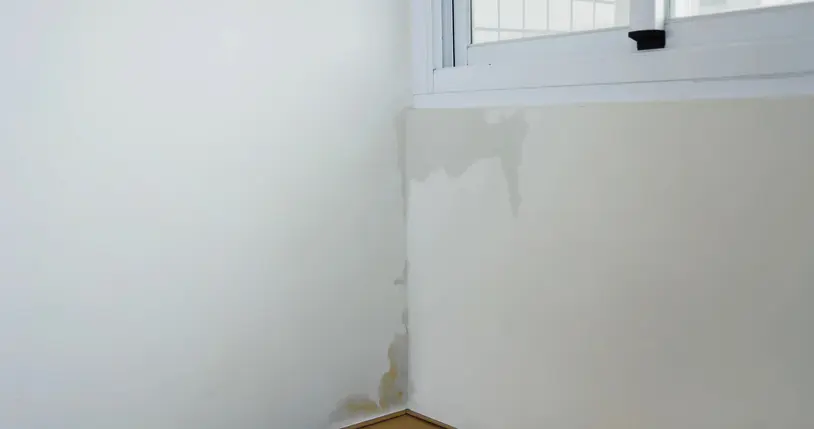
– Water stains on ceilings or walls: These stains usually look like brown rings and may appear near corners or along seams in the drywall. Over time, they can darken or spread if the leak continues.
– Musty smell in the attic or upper rooms: Moisture trapped in insulation or drywall can lead to a musty odor, even before any stains are visible. If your attic smells damp, it could be time to take a closer look.
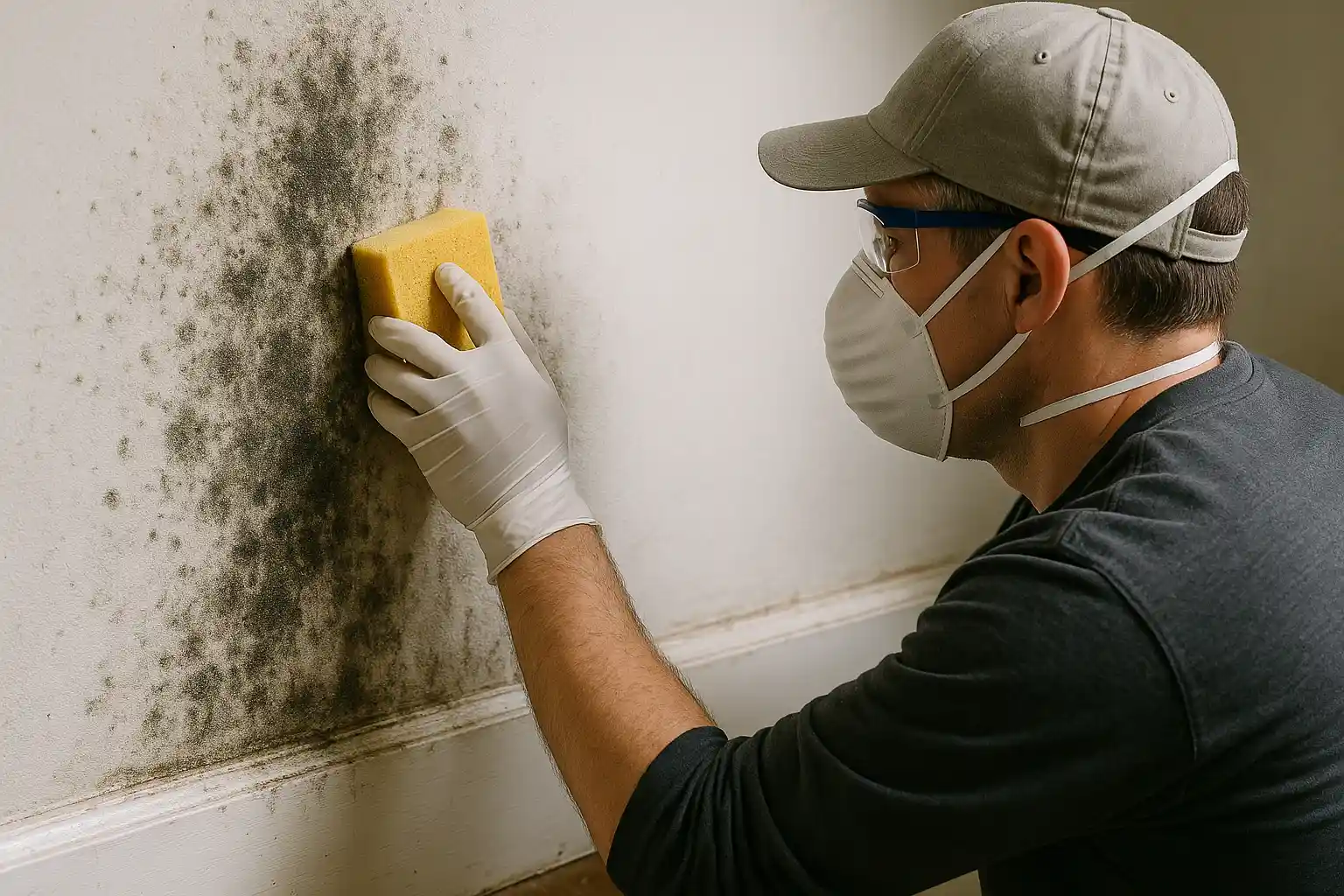
– Mold or mildew forming indoors: Mold may start growing around ceiling vents, window frames, or in the attic. It needs water to thrive, so its presence is a big warning.
– Dripping sounds during or after rain: If you hear dripping inside your walls or ceiling, there’s a good chance water is making its way inside.
– Sagging or bulging areas in paint or plaster: These changes in your ceiling or walls could mean water is pooling above.
One homeowner in Vancouver noticed a small brown spot in their hallway ceiling, right after a heavy rain. At first, they ignored it, thinking it was nothing. Two weeks later, half the ceiling panel had warped, and they discovered that a few storm-damaged shingles had let water in. By the time they acted, the attic insulation was soaked, and the damage spread across two rooms.
It’s easy to overlook minor changes until they grow into larger problems. That’s why it’s smart to investigate early, especially during rainy summer months.
Areas Of Your Roof To Inspect Regularly
Some parts of your roof are more likely to spring leaks, especially when exposed to frequent sun and rain. Whether you’re doing a quick look from the ground or getting a professional inspection, focus on these high-risk zones:
1. Flashing around chimneys and vents
Metal flashing seals the spaces around chimneys, pipes, skylights, and vents. When it gets loose, cracked, or rusted, water can seep underneath and move into the attic.
2. Roof valleys
A roof valley is where two slopes meet. During heavy rain, water flows down these paths fast. If the sealant in these areas wears out or debris collects there, it’s a weak spot for leaks.
3. Gutters and downspouts
Clogged or sagging gutters can cause water to back up and spill over onto your roof or siding. Water may even pool near the base of your home if downspouts aren’t clearing away properly.
4. Shingles along edges and ridges
Extremely strong winds can lift or damage shingles, especially around the edges of the roof. Once those shingles shift, water has a free path underneath.
5. Eaves and roof overhangs
These parts don’t always get much attention but can hide signs of leaks like soft wood or visible water lines. Regular moisture in these spots can lead to slow, long-term damage.
Even a small issue in one of these areas can turn into an unwanted water problem when paired with a summer downpour. Keeping these spots in check can go a long way in avoiding expensive repairs and prolonged drying times later.
Preventive Measures for Roof Leak Detection
To shield your home from the headaches of unexpected roof leaks, a few preventive measures can go a long way. Start with simple steps like keeping your gutters clean. Clogged gutters can cause water to overflow, potentially damaging the roof and the house’s foundation. Ensure they are clear of leaves, twigs, and other debris after every rainstorm.
Regular inspections play a key role in maintaining a healthy roof. After severe weather, it’s smart to have a professional survey the roof for any hidden issues. These experts can spot weakened areas, missing shingles, or any potential threats that might not be visible to the untrained eye. A roof that is checked regularly is less likely to spring a surprise leak.
Keeping your roof in top shape also includes making sure it’s properly sealed, especially around edges and openings. Sealant can wear down over time, leaving gaps for moisture to sneak in. Seal up those little gaps before they become a problem. Regular maintenance and prompt repairs will help ensure your roof stays strong and leak-free for years to come.
Why You Should Contact a Water Damage Restoration Company
Taking action at the first hint of a roof leak is important for protecting your home from further damage. Water damage is not just about the visible stains or smells. It can weaken the structure of your home. Addressing leaks early, with professional help, can stop more serious issues like mold growth or wood rot from taking over.
Hiring experts gives you peace of mind. They know where to look, what tools to use, and how to handle problems the right way. Instead of worrying whether you’ve caught the full extent of the damage, let trained pros do a full inspection and fix what’s needed. A reliable water damage restoration company can dry out damp areas, replace damaged material, and help restore your home to a clean and safe condition.
The faster you get help, the less damage your home has to deal with. Delays can lead to bigger bills, health risks, and more time away from a normal routine. During rainy season, waiting is never a good idea.
Stay Dry and Safe This Summer
As summer storms pass through Vancouver, Washington, keeping your roof in good condition makes a big difference. Looking out for signs of damage, checking weak spots, and sticking to regular maintenance reduces the chance of a costly surprise later on.
Roof leaks don’t always show up right away, so staying watchful and acting early gives your home a better chance of staying safe. If anything seems off, it’s a good time to get it checked out. Prevention is key when storms are part of the season.
When it comes to keeping your home dry and damage-free, it starts at the top. Don’t wait for a small problem to become a big one. Be proactive, keep inspections on your calendar, and reach out for help if anything seems off.
Trust DryWorx Water Damage Restoration to keep your home safe during unpredictable weather. If summer storms have caused a bit more trouble than expected, consider reaching out to a reliable water damage restoration company. We’re ready to help you maintain a dry and comfortable living space all season long.