Keeping your car’s interior mold-free is not just about aesthetics. Mold in your car can lead to potential health risks and affect the air quality every time you get behind the wheel. Imagine visiting family or going on a road trip, and suddenly you notice an unpleasant odor or even start to feel unwell. Mold can cause these issues and more. Addressing mold in your car quickly ensures the safety and comfort of your commute, protecting both you and your passengers.
You’ll find clear and practical steps to tackle mold issues in your car. We’ll cover how to spot signs of mold, what you can do immediately to resolve the issue, and ways to prevent future mold from developing. By taking these steps, you not only maintain a clean interior, but also ensure a healthier driving environment.
Recognizing Mold in Your Car’s Interior
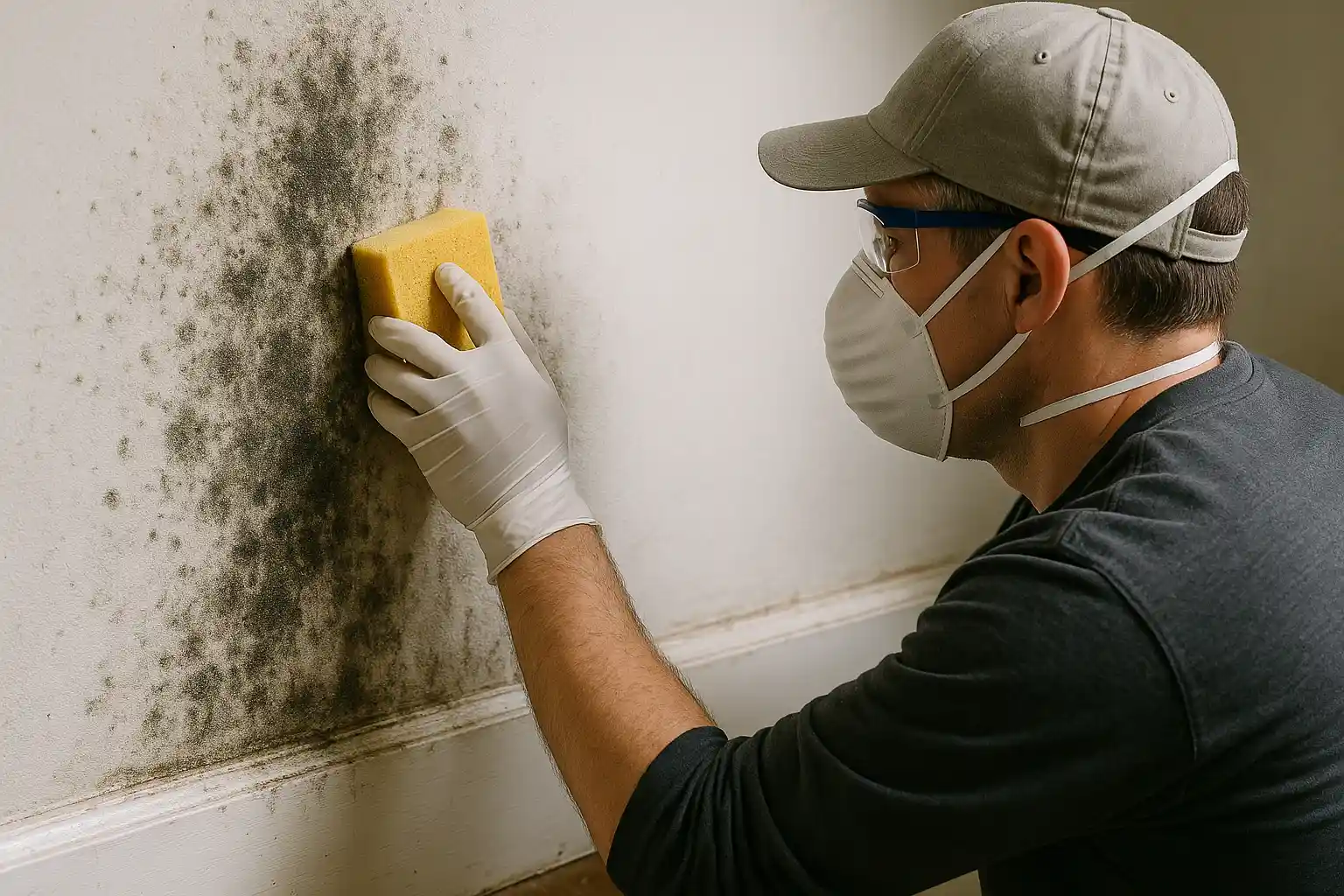
Spotting mold in your car can sometimes be straightforward, but it often requires a keen eye. Mold typically presents itself as discolored spots or fuzzy patches on surfaces within your vehicle. These could range from subtle streaks on your seats to more conspicuous blotches on the carpeting. Knowing the visual indicators can help you catch mold early.
Another clear indicator of mold is an unpleasant, musty odor. This smell is a telltale sign that you should inspect your car’s interior for hidden mold spots. When you open your car door, if the fresh scent of your air freshener is overpowered by a damp, earthy smell, it’s time to investigate further.
It’s also important to be aware of any unexplained health symptoms. If you or your passengers experience allergic reactions, coughing, or even skin irritations after being in your car, these could be linked to mold exposure. Acting quickly to identify and address potential mold could prevent these issues from escalating.
Immediate Actions to Take
Once you’ve identified that mold is lurking around your car, it’s essential to act swiftly. Here are some immediate steps you can take:
– Remove any sources of moisture: Check for leaks or spills and dry them promptly.
– Ventilate your car: Open the doors and windows to allow fresh air to circulate and help dry out the damp areas.
– Cover or remove contaminated areas: For instance, you can use plastic sheeting to cover affected areas until you’re able to clean it properly.
By implementing these actions promptly, you minimize the mold’s chance to spread further. Once the immediate steps are taken care of, you’ll want to move on to a more thorough cleaning process to ensure all mold spores are eliminated effectively.
Detailed Cleaning Tips
Once you’ve addressed immediate concerns, it’s time to roll up your sleeves and tackle the root of the problem. Cleaning mold from your car involves some not-so-intimidating steps that can effectively rid your vehicle of unwanted guests. Here’s a simple plan to get you started:
1. Gather Your Supplies:
– Choose a mold cleaner suitable for the car’s material. You might need different solutions for leather and fabric.
– Soft brushes and microfiber cloths are your best friends. They’ll help scrub away the mold without damaging surfaces.
– Protective gloves and masks protect you from mold spores and cleaning agents.
2. Vacuum the Interior:
– Begin by vacuuming your entire car, paying special attention to carpets and seat crevices.
– This step helps remove loose spores and keeps mold from moving to other areas as you clean.
3. Apply the Cleaner:
– Spray the mold cleaner on the affected area, following the instructions specific to the product.
– Use a soft brush or cloth to scrub the surface gently, removing mold stains and mold spores.
4. Rinse and Dry:
– Wipe the cleaned area with a damp cloth to remove leftover cleaner and mold residue.
– Ensure proper drying by leaving your car doors open in a sunny, breezy spot.
5. Dispose of Contaminated Materials:
– If materials like seat covers or floor mats are beyond salvation, consider replacing them.
– Place all mold-contaminated items in plastic bags and dispose of them properly.
Preventing Future Mold Growth
Now that your car is fresh and clean, the final step is to keep mold from making a return. Mold prevention is all about control and maintenance, ensuring moisture and warmth don’t create a welcoming environment for mold.
– Control Moisture:
– Use dehumidifiers or moisture-absorbing products inside your car, especially in rainy conditions.
– Regularly check for potential leaks or blockages in your car’s drainage system.
– Improve Ventilation:
– Occasionally run the car’s AC on recirculate, which helps keep the air dry.
– Leave windows slightly open (weather permitting) to allow air flow, especially in warmer months.
– Regular Inspections and Cleaning:
– Set a routine to clean your car interior and inspect for new signs of mold.
– Pay attention to less commonly checked areas, like under seats and in the trunk.
When to Seek Professional Help
Sometimes mold problems might be more extensive than a simple DIY fix can handle. If you find the mold returning despite your efforts or it’s deeply embedded in areas difficult to reach, consider getting expert assistance. Professional services specialize in handling stubborn mold issues and can ensure thorough cleaning, preventing future mold outbreaks with precision and safety.
A Fresh Start on the Road
Keeping your car mold-free isn’t just about comfort—it’s about protecting your health and keeping your vehicle in top condition. Routine checks and cleanliness go a long way in ensuring a pleasant driving environment. By managing simple tasks regularly, you can prevent mold from becoming an issue. This way, every journey remains enjoyable and free from the bothersome presence of mold.
If you’re looking to keep your vehicle fresh and safe for every drive, see how expert help with home mold removal can make a difference. DryWorx Water Damage Restoration provides reliable solutions that target difficult mold problems, helping maintain a healthier space whether at home or on the road.