Rain gutters play a pivotal role in shielding homes from the havoc that stormy weather can unleash. While they might be overlooked as just another part of the house, gutters are your home’s first line of defense during heavy rains and intense storms. They are designed to channel rainwater away from the house, safeguarding the foundation, walls, and even the landscaping around it. Without proper gutters, water can seep into every nook and cranny, causing severe structural and cosmetic damage.
In Vancouver, Washington, where rain is a frequent affair, maintaining rain gutters is a smart way to ensure that homes stay protected. Well-maintained gutters can prevent costly repairs and maintain the structural integrity of a home. Storm damage restoration becomes less of a daunting task when homes are equipped with functioning gutters, ready to take on whatever the storm brings. This article will guide you through the mechanisms and benefits of gutters, highlighting their critical role in mitigating storm damage.
How Rain Gutters Prevent Flooding
Rain gutters are essential for diverting water away from a home’s foundation, effectively preventing flooding. When a storm hits, large volumes of water pour down on a home. Gutters catch this water and guide it through downspouts, directing it away from critical areas like the foundation. This process keeps water from pooling around the base of the house, where it could otherwise seep in and cause floods in basements or damage the foundation itself.
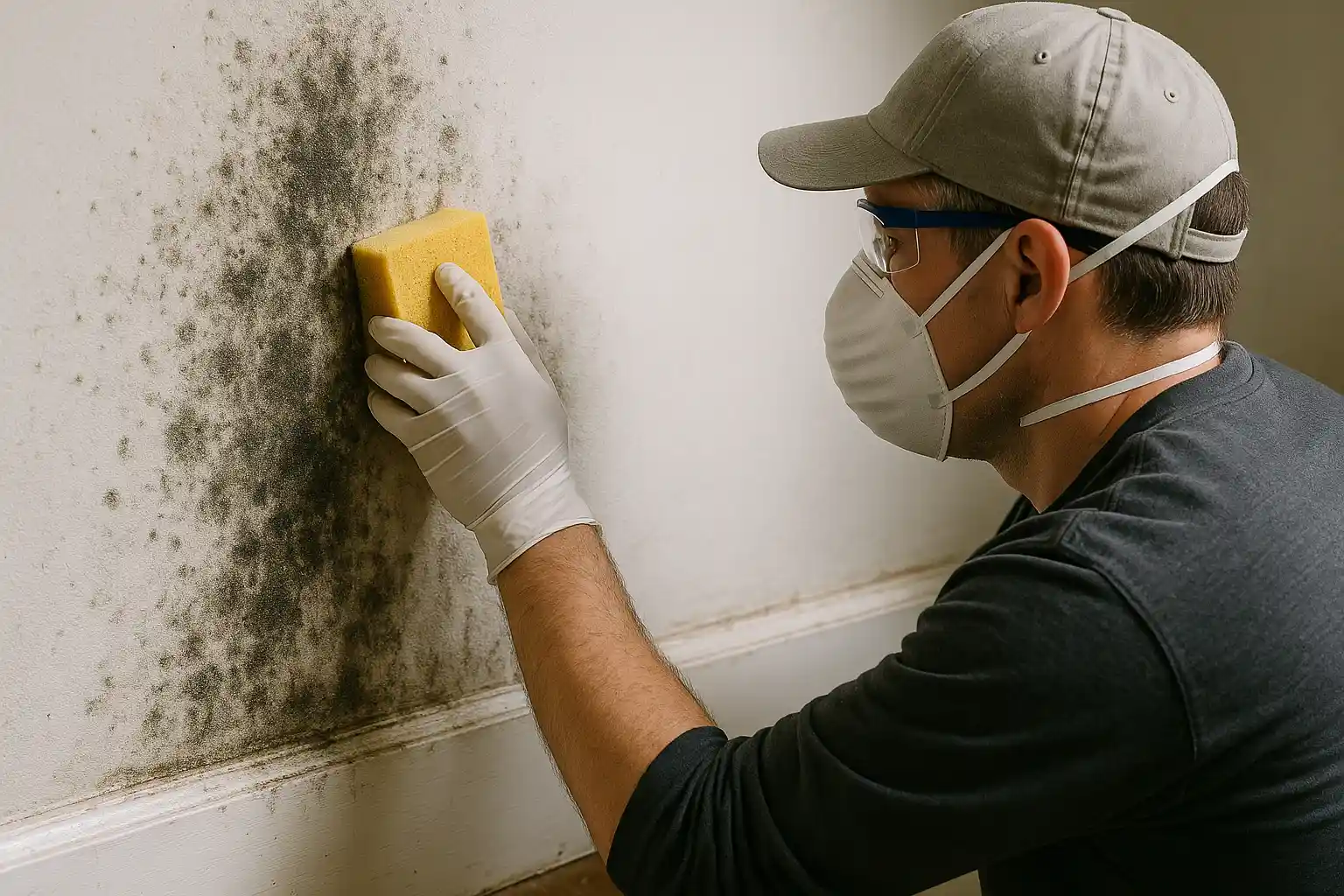
Consider a scenario where a house lacks proper gutter maintenance; after a downpour, water begins to collect around the home. In no time, that water can make its way into the house, leading to flooded basements and substantial damage to flooring and walls. Not only does this scenario involve a dreaded cleanup, but it also presents the risk of mold growth and long-term structural concerns.
To keep gutters working effectively, regular maintenance is vital. Here are some practical tips:
– Clear debris regularly: Remove leaves, twigs, and other debris to prevent clogs.
– Check for leaks: Inspect gutters for any signs of leakage and seal them promptly.
– Secure downspouts: Ensure downspouts are firmly connected and direct water at least ten feet away from the foundation.
By implementing these straightforward steps, homeowners can extend the functionality of their gutters, ensuring they remain an effective barrier against storm-induced flooding.
Protecting Roof and Walls
Rain gutters do more than just prevent flooding; they play a crucial role in protecting your roof and walls from water damage. During a storm, rainwater collects on the roof and needs somewhere to go. Without gutters, this water would accumulate on the roof, increasing the risk of leaks or damage to shingles and other roofing materials. Over time, this excess water can seep through and lead to significant damage inside the home.
Furthermore, without proper gutters to channel water away, walls are vulnerable to water pooling at their base, which accelerates wear and tear on the exterior. This can result in cracked or peeling paint, stained walls, and even structural damage as water penetrates into the walls themselves. By steering water safely away, gutters help maintain the home’s aesthetic and structural health. Regular inspections help catch small issues before they become big problems. Cleaning out gutters and checking for loose connections should be on every homeowner’s to-do list before the rainy season begins.
Preventing Soil Erosion and Basement Flooding
Another often overlooked benefit of rain gutters is their ability to curb soil erosion around the home. Water that spills over the roof without a proper channel washes away the vital topsoil, which affects landscaping and the very foundation of your house. By directing rainwater away from these critical areas, gutters shield the base of your home from being undermined and keep your well-loved plants in place.
In Vancouver, homes without gutters or poorly maintained systems face the constant risk of basement flooding. When soil erosion continues unchecked, and water isn’t directed properly, it can seep into the basement, leading to moisture problems and, eventually, water damage. The combination of effective gutters with proper grading and drainage systems ensures that water doesn’t end up where it’s not wanted.
Here are some methods to enhance drainage and protect your home:
– Install gutter extensions: These direct water further away from the home.
– Improve grading: Ensure the landscape around the house slopes away from the foundation.
– Use gravel or French drains: These collect and redirect water efficiently.
Long-Term Benefits of Rain Gutter Maintenance
Proper maintenance of rain gutters offers significant long-term advantages. Staying on top of gutter upkeep can extend the life of your home by preventing the most common types of water-related damage. By investing a little time regularly to clean and inspect gutters, you can avoid costly repairs and save money in the long run.
For instance, a small leak caught early in your gutter system can be sealed quickly and easily. Ignoring it can lead to larger leaks, causing substantial water damage which may require expensive fixes like roof repairs or wall restoration. The peace of mind from knowing your house is protected from storms is priceless.
In essence, well-maintained gutters act like a silent guardian, defending your home from the adverse effects of stormy weather. They ensure that rainwater goes where it should—harmlessly away from your house. Prioritizing professional maintenance ensures your gutters stay in top shape, ready to face any storm.
Proper care for your rain gutters does more than keep water damage at bay; it provides lasting protection for your home, inside and out. If you’re in the Vancouver area and dealing with the aftermath of a recent storm, consider the importance of expert advice. Learn more about storm damage restoration and how DryWorx Water Damage Restoration can help you maintain a secure and well-protected home environment.