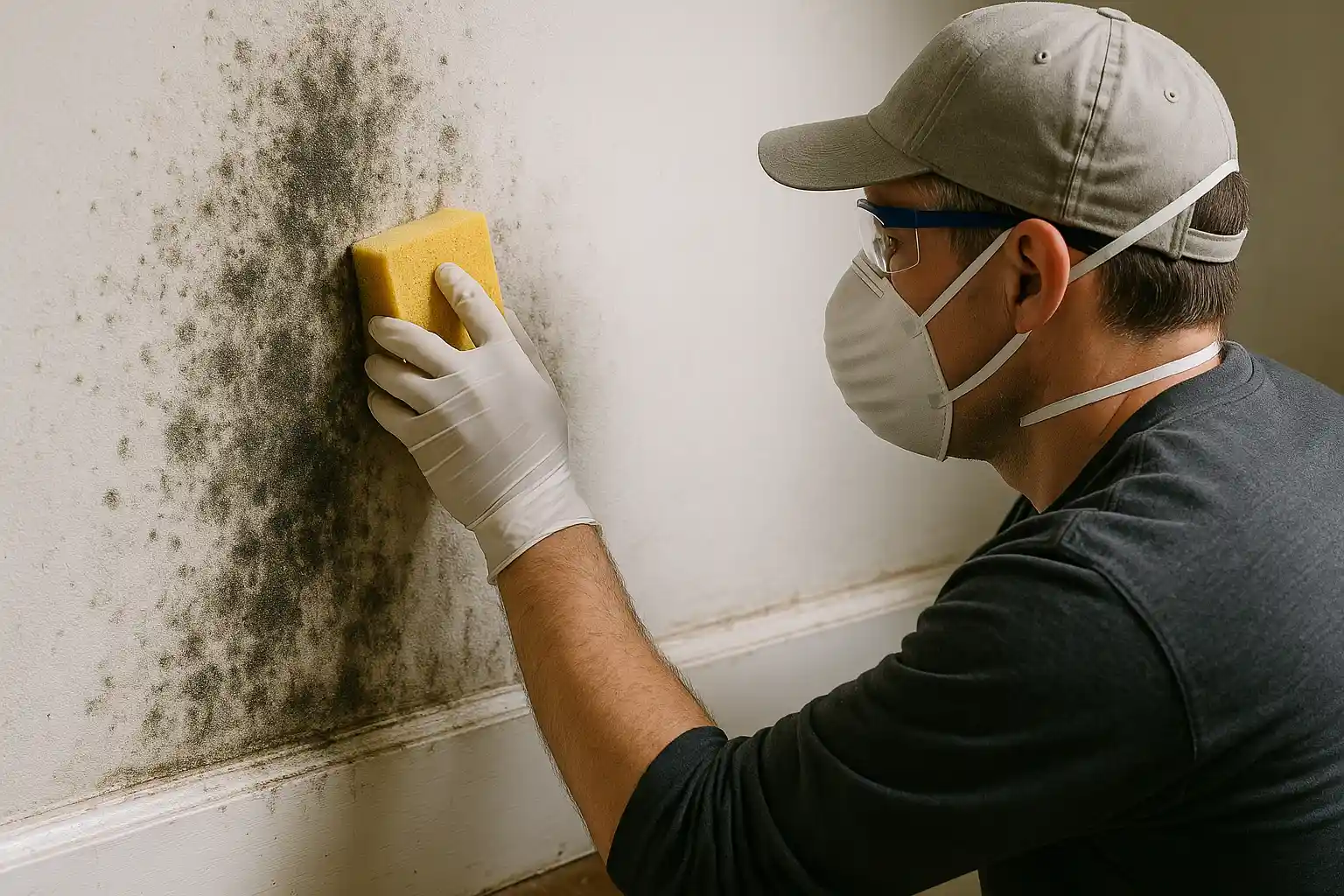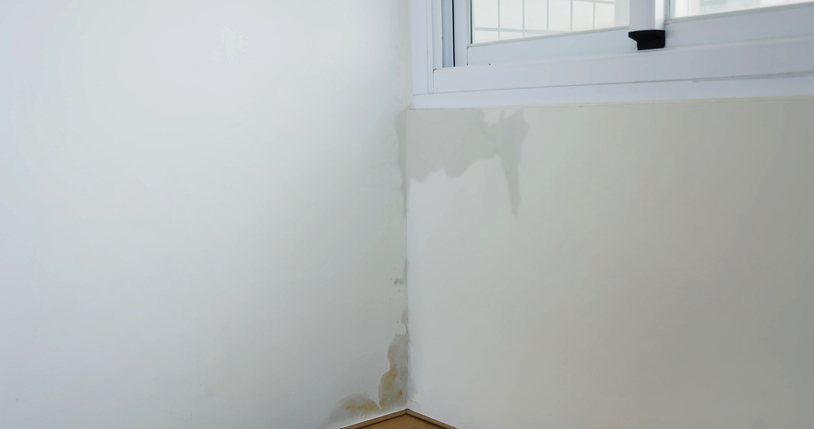
Mold might be lurking where you least expect it—inside your HVAC system. Given the ideal dark, damp conditions, an HVAC system can become a breeding ground for mold, especially during the wet, cooler months in places like Vancouver, Washington. Over time, this mold growth can lead to a range of problems including unpleasant odors, reduced air quality, and potential health risks. Understanding how mold develops in these systems and how to effectively remove it can help maintain both a healthy home environment and system efficiency.
Keeping the air clean is crucial for the health of everyone in a building. Mold spores circulated by an HVAC system can trigger allergies, asthma, and other respiratory issues. This makes timely mold remediation essential to ensure good air quality. In Vancouver, where moisture levels can contribute to rapid mold growth, knowing when and how to take action against mold in your HVAC system is key to safeguarding your indoor space.
Signs of Mold in Your HVAC System
If you suspect your HVAC system might be harboring mold, there are several signs to watch for. Recognizing these indicators early can help you address the issue before it becomes a major problem:
– Musty Odors: If you notice a persistent musty smell whenever the air conditioning or heating is on, it’s a strong indicator of mold presence.
– Visible Mold Growth: Check the areas around your air vents and ducts. Any visible mold spots or dark patches should be taken seriously.
– Increased Allergy or Asthma Symptoms: Pay attention if occupants experience worsening allergy symptoms or asthma flare-ups, as mold spores circulated through the air can cause these reactions.
Identifying these signs promptly can mean the difference between minor maintenance and a significant repair job. It’s crucial not to ignore these symptoms and seek professional help when needed to keep your living spaces safe.
Causes of Mold in HVAC Systems
Understanding what causes mold to thrive in HVAC systems can help you prevent future problems. Three main factors contribute to mold growth:
– Excess Moisture: Leaks or high humidity levels can create the perfect environment for mold. This excess moisture can stem from poor insulation, condensation, or undetected leaks.
– Poor Ventilation: When air doesn’t circulate properly, it can create stagnant zones conducive to mold development.
– Accumulation of Dust and Organic Materials: Dust combined with organic matter like pollen and pet dander provides nutrients that support mold growth.
Knowing these causes makes it easier to prevent mold-related issues by ensuring your system is well-maintained and free from excess moisture. Regular checks and balances can keep mold at bay and maintain a healthier indoor air quality.
Steps to Remove Mold from Your HVAC System
Deciding to tackle mold in your HVAC system is a smart move. However, removing it effectively requires careful steps to ensure it doesn’t come back. Here are some basic steps you should take:
– Professional Inspection and Assessment: It’s important to begin with a thorough inspection. Professionals have the right tools and experience to spot mold that might not be visible to the eye.
– Cleaning and Replacing Contaminated Components: Once mold is identified, cleaning and replacing any contaminated parts is the next step. This might include components like filters and ductwork, depending on the extent of the mold growth.
– Using Mold Inhibitors and Preventive Maintenance: Applying mold inhibitors can help keep future growth at bay. Regular maintenance such as inspections and keeping the system dry and clean is also key to preventing mold.
These steps ensure that mold is not just temporarily removed but is addressed in a way that supports long-lasting system care.
Preventing Future Mold Growth in Your HVAC System
After addressing existing mold, the next focus is keeping it from returning. Taking preventive actions can save time and money down the line:
– Regular HVAC Maintenance and Inspections: Scheduling regular check-ups can help catch any issues before they become more challenging to manage. Technicians can spot early signs of mold potential and address them quickly.
– Controlling Indoor Humidity Levels: Mold thrives in humid spaces, so keeping indoor humidity in check is vital. Using dehumidifiers and ensuring proper ventilation can be very helpful.
– Keeping Air Ducts Clean and Sealed: Dust and debris act as food for mold, so keeping air ducts clean goes a long way. Ensuring they’re properly sealed also prevents moisture from entering.
These strategies help maintain a healthy system, reducing the chance of mold reappearing.
How Professional Mold Remediation Can Help
When dealing with mold, expertise counts. Professionals in mold remediation offer advantages you might not get from handling things alone. They have specialized equipment and knowledge to not only remove visible mold but also treat hidden areas that could become future trouble spots. Moreover, they can apply industry-approved treatments to ensure mold doesn’t return, giving you peace of mind and a healthier environment.
Working with professionals also means tapping into services that are tailored to your specific needs. They provide comprehensive solutions from inspection to long-term prevention strategies that homeowners might overlook. With their aid, you ensure your HVAC system is not only mold-free but also maintained to avoid future issues. This approach also protects your investment in your home and health over time.
Don’t let mold take a toll on your home’s air quality and comfort. If mold is lurking in your HVAC system, it’s time to call in the professionals for expert assistance. At DryWorx Water Damage Restoration, we specialize as a trusted mold remediation company in Vancouver, leveraging our expertise to keep your systems efficient and your indoor environment healthy. Take proactive steps today for a mold-free home!