Grease going down your drain might not seem like a big deal, but over time that small act can turn into a major plumbing problem. Whether it’s cooking oil, butter, or leftover meat drippings, grease has a sneaky way of sticking to the inside of sewer pipes. And once it cools and hardens, it builds up layer by layer until wastewater can’t flow like it should. For most homeowners and business owners, the first clue doesn’t come until there’s a backup or that awful sewage smell starts creeping in.
In a place like Vancouver, Washington, where the summers can get warm and people often enjoy more outdoor grilling and cooking, grease buildup can happen faster than expected. Add in summer rainstorms that can overwhelm aging systems, and the timing becomes even worse. The good news is that this kind of problem can be caught early. Knowing what to look for and understanding how grease impacts your plumbing can help protect your property from costly damage down the line.
Understanding The Problem Of Grease Buildup In Sewage Systems
Grease might start off as a liquid when it’s warm, but as soon as it cools, it can harden up inside your pipes. Over time, repeated grease dumping causes build-up, creating thick layers that narrow the pipe’s opening. This mess doesn’t just slow down your drains. It can lead to serious clogs and sewer backups in your home or business.
In residential homes, some common grease sources include:
– Bacon or sausage grease tossed down the kitchen sink
– Cooking oil poured into drains after frying
– Butter, lard, and creamy sauces rinsed off dishes
– Food scraps, even tiny ones, that contain fat or oil
In commercial spaces like restaurants, the issue can become worse. There’s more food waste and more frequent cleanup of greasy cooktops and dishware. Without proper grease traps or regular line cleaning, the buildup happens faster, and the risks get bigger.
It’s not just about clogged pipes either. Grease reduces how well wastewater moves through the system, which puts added pressure on older plumbing and sewer infrastructure. That pressure can lead to pipe cracks, leaks, and raw sewage spilling into places it doesn’t belong.
Identifying Signs Of Grease Buildup In Your Sewer Lines
Most people don’t notice grease buildup until something goes wrong. But if you pay attention, there are some early signs. Spotting them early can help you avoid a full-blown sewage problem.
Here are some red flags to look out for:
– Drains that gurgle, especially after using the sink or flushing
– Slow-draining sinks, tubs, or showers
– Foul smells coming from drains, even after cleaning
– Grease is pooling around floor drains or in backyards during rain
Commercial kitchens may notice these signs sooner because of the high volume of grease that passes through daily. If kitchen staff have to deal with standing water in sinks more than once a week, or grease traps fill up faster than expected, those could be signs of trouble.
One quick way to check for issues is by watching how your drains behave during different times of day. For example, if your kitchen sink runs just fine in the morning but gurgles or backs up at night after a whole day of cooking, your system might be struggling to move everything through the pipes. Grease buildup often causes this kind of uneven performance.
Even though it’s tempting to pour hot water or dish soap down the sink and think it’s handled, that grease doesn’t disappear. It just moves further down the line, where it can settle and harden again. That’s why surface-level fixes don’t work long term and why early signs shouldn’t be ignored.
How Grease Buildup Leads to Sewage System Failures
Once grease buildup begins, it can start a chain reaction that ends in a plumbing disaster. Grease coats the inside of drains, sticking like glue, and as more builds up, it forms tough blockages. These blockages can catch other debris passing through, creating even bigger barriers. Imagine your necklace tangling into a knot. Each layer only makes it harder to see daylight through that mess. With plumbing, you eventually run out of options as everything stops moving smoothly. Stubborn clogs lead to constant backups and dreaded overflows.
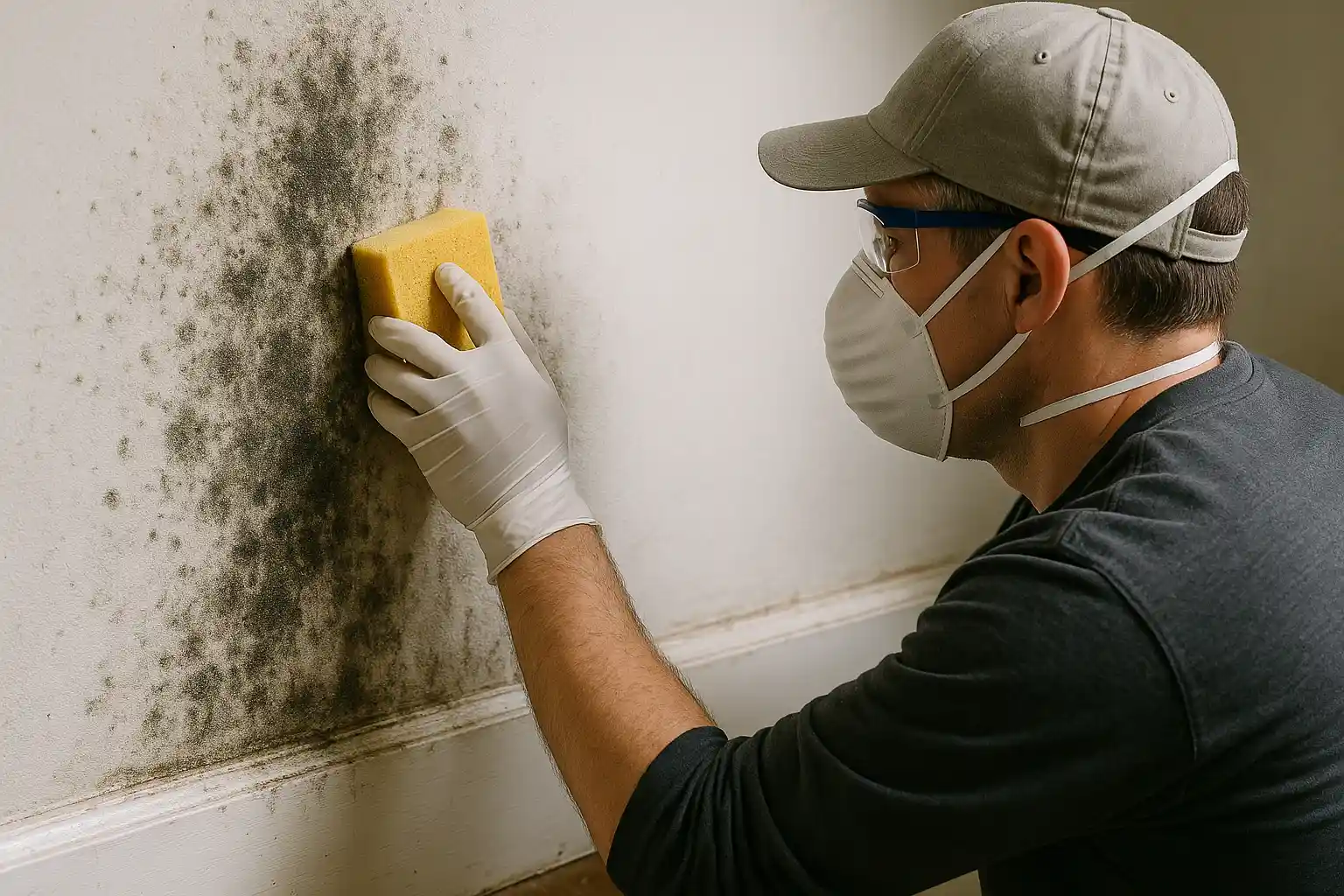
The impact goes beyond flooded basements. Sewage backups are more than just a mess. They’re hazardous to your health. Overflowing sewage contains harmful bacteria and pathogens that can spread disease. Besides health risks, overflows can damage floors, walls, and personal items, creating a breeding ground for mold. The environmental impact can also be significant when untreated sewage spills into yards or streets.
Preventative Measures to Avoid Grease Buildup
Preventing grease buildup requires some simple yet effective strategies. Key measures for homeowners and businesses alike help keep those drains clear and functional. Here’s a handy guide:
– Don’t pour grease or oil down the drain. Instead, let it cool and dispose of it in the trash
– Install grease traps for commercial kitchens to catch fats before they enter the plumbing system
– Regularly clean grease traps and drains to prevent buildup
– Flush drains with hot water occasionally to help clear small accumulations
– Use strainers in sinks to catch food scraps and prevent them from going down the drain
Regular maintenance goes a long way in keeping plumbing systems healthy. These small efforts can make a big difference by avoiding expensive repairs and discomfort down the road.
Professional Solutions for Grease Buildup and Sewage Issues
While home remedies help with minor clogs, professional intervention is often needed for persistent or severe problems. Professional water restoration in Vancouver provides thorough cleaning and maintenance of sewage systems. Trained technicians use specialized equipment to effectively remove stubborn grease deposits and assess any pipe damage.
Expect a comprehensive service that includes inspecting pipes, using high-pressure water jets to clear blockages, and checking for damage that might worsen if untreated. These services ensure that plumbing systems not only function efficiently but also last longer, reducing the hefty costs of major repairs.
DryWorx Water Damage Restoration offers expert help when small blockages start becoming serious trouble. Our trained crews know how to remove grease safely and inspect your system for early signs of damage that can turn into flooding or backups if left alone.
Staying Ahead of Grease Issues for Good
Ongoing care and maintenance can significantly extend the life of your sewage system. Scheduling regular inspections helps catch small issues before they turn into bigger headaches. Addressing these problems early can save both time and money while keeping your indoor spaces safe and dry.
Being proactive about sewage maintenance not only secures the comfort of your home or business but also protects the broader environment from the negative impacts of untreated waste overflow. Regular attention and a little effort can go a long way in ensuring a trouble-free experience in plumbing care.
Don’t let grease buildup disrupt your plumbing system and lead to costly repairs. At DryWorx Water Damage Restoration, we specialize in efficient solutions to handle stubborn blockages and ensure smooth operation with our professional restoration services in Vancouver. Trust our skilled team to keep your pipes clear and your environment safe. Reach out today and secure peace of mind for your home or business.