A summer storm rolls in and suddenly the lights go out. Power outages are a normal part of weather in Vancouver, but what many homeowners don’t think about is how those outages can lead to unexpected water damage. From failed sump pumps to overloaded HVAC systems, a simple blackout can easily turn into a soaked basement or damaged walls if you’re not prepared.
Water damage during outages doesn’t always show up right away. Sometimes it hides in crawlspaces, behind walls, or under floors, slowly spreading until there’s a bigger problem on your hands. As summer storms become more frequent through late June, it’s a good idea to get ahead of the issue while the skies are still clear.
Understanding How Power Outages Can Cause Water Damage
When the power cuts off during a storm, most people worry about their fridge, phone chargers, or cable box. But one of the biggest concerns should be water management systems. These rely on electricity to keep running, and without power, they stop doing their jobs.
Here’s how that can cause trouble:
– Sump pumps stop working. If your home has a basement or crawlspace, your sump pump works around the clock to keep excess water out. Once a power outage hits, the pump shuts down. If there’s a heavy downpour, water has nowhere to go and starts collecting indoors.
– HVAC systems can leak. Your AC system might have condensation lines or drainage that depends on power. Without airflow or operation, moisture can build up. Once the power returns, that system might restart in poor conditions and leak water.
– Water heaters may leak. When the power comes back suddenly, a spike in pressure or system heat can damage the tank or its connections. This isn’t the kind of leak you notice right away, but it’s one you’ll definitely smell or feel later on.
On top of that, sump basins can overflow, gutters can get overwhelmed, and rainwater has a better shot at creeping under doors and window frames when there’s no power handling indoor climate control. All it takes is a few hours for hidden water to start soaking up drywall or warping your floors.
Pre-Outage Prevention Tips
Taking a few steps before a storm hits can go a long way in avoiding water damage while the power’s out. This kind of prep doesn’t take much time and doesn’t need to be complicated either. Think of it as your basic storm checklist to keep your home dry.
Here are some things you’ll want to do:
1. Check your sump pump’s battery backup
Make sure your sump pump includes or is connected to a battery backup. Test it ahead of storm season. If your sump pump has been working a little slower than normal, it could be wearing out. Catching that early can save you from waking up to a flooded basement.
2. Install water leak alarms
These small devices can go near washing machines, water heaters, sinks, or sump basins. They sound off when they detect moisture. Even when the lights go out, you might still hear the alarm, giving you time to react.
3. Clear out gutters and downspouts
If rainwater can’t move away from your house, it’s going to try sneaking inside. Clean debris from your gutters and make sure downspouts point away from the foundation. Test them if needed by spraying a hose on the roof and watching where the water goes.
4. Seal weak spots around windows and doors
If rain is blowing sideways, it’ll look for gaps. Sealing off even tiny cracks with caulk or weather stripping can help a lot. This boosts your insulation too, which is important when the AC shuts off.
5. Uncover basement drains and check for clogs
Make sure the floor drains in your basement or laundry area aren’t covered or gummed up with dirt. When water finds its way inside, it needs somewhere else to flow besides deeper into your walls.
Taking care of this kind of prep now means less rushing around when the sky darkens. It also helps you keep control over your home while other things like the power grid feel out of your hands.
During the Outage: Immediate Actions to Take
When the lights go out, there’s an added layer of urgency if a storm is raging outside. While it might be tempting to curl up with a book and a flashlight, a few quick actions can save you a lot of trouble later. Start by unplugging major appliances and electronics. This simple move protects them from potential power surges when electricity comes back. Surge damage can be a problem, and a little effort upfront can keep your devices in good shape.
Next, take a quick tour of your home to check for leaks or pooling water in spots that are usually dry. If you notice any wet patches on the floor or drips under sinks, try blotting up the water with towels. This won’t solve the issue entirely, but it’ll help prevent water from spreading until you can address it properly.
Avoid the urge to light candles for a cozy ambiance. Instead, opt for flashlights or battery-powered lanterns. While candles seem quaint, they introduce fire hazards that can escalate quickly, especially when you’re already dealing with a power outage.
Post-Outage: Assessing and Preventing Damage
Once the power flickers back on, it’s time to step into recovery mode. Your first task should be a thorough inspection around your home. Look out for any newly formed water stains on ceilings, walls, or floors. If you’ve had a sump pump failure or a massive amount of rainfall, be extra vigilant in basements and crawlspaces.
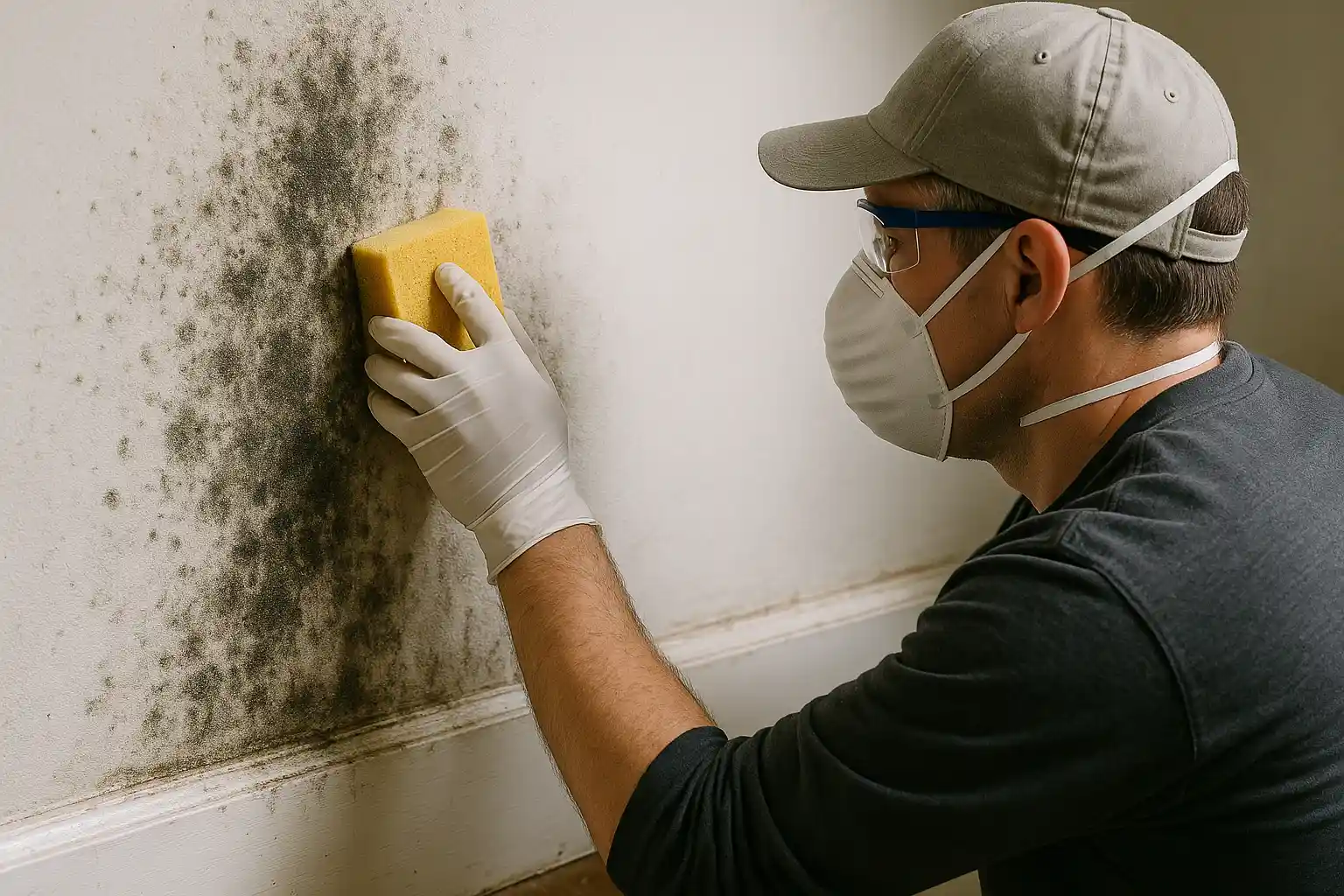
If you detect moisture, running fans and dehumidifiers is a good first step. They help dry damp areas and reduce the chance of mold growth. If the damage seems overwhelming, or if you suspect lingering moisture might secretly spread, contacting a storm damage restoration professional in Vancouver is a smart move. They have the tools and expertise to deal with water issues that may seem minor now but could turn major if ignored.
Safeguarding Your Home for Future Outages
There’s always a lesson to be learned from unexpected situations. One way to prepare for future outages is by investing in a whole-house generator. It’s a resourceful option that keeps essentials like your sump pump or HVAC system running while the rest of the neighborhood waits in the dark. It can be a lifesaver, ensuring your home stays dry and comfortable no matter what’s happening outside.
Regular maintenance checks are another way to be ready. These help you stay ahead of surprises. Make sure you inspect your water heaters, pipes, and sump pump systems periodically, spotting potential problems before they escalate. Clean, functional systems offer peace of mind, knowing you’re ready to handle whatever nature throws at you.
Keeping Your Vancouver Home Safe Year-Round
Taking steps to guard against water damage, especially during outages, means embracing an ongoing commitment. By combining these proactive measures with regular maintenance, you are setting up your home to withstand power lapses with ease. This approach keeps you a step ahead of any storm.
As you partner this preparation with professional support, you build lasting defense against future challenges. Having experts on call when needed can make recovery smooth and less stressful. This mix of planning and expert assistance helps protect your home and brings peace of mind all year long.
Weather in Vancouver can bring unexpected challenges, and staying prepared is key. If your home faces the aftermath of a storm and you suspect water damage, it’s important to act quickly to prevent further issues. Trust the team at DryWorx Water Damage Restoration for help with reliable storm damage restoration that protects your home before small problems turn into major repairs. Your peace of mind is just a call away.