Burst pipes can wreak havoc on your home by causing some serious structural damage. While many people think of leaks and water stains as minor issues, the reality is much more severe. Water from a burst pipe can seep into the foundation, weaken the walls, and create a breeding ground for mold. This can jeopardize the integrity of your entire home. For homeowners in Vancouver, Washington, this is especially concerning during the warmer spring months. As the ground shifts with the seasonal thawing and warming, pipes can become more vulnerable to breaking or bursting.
Understanding the implications of burst pipes is the first step in protecting your home. By being vigilant and aware, you can take measures to prevent serious damage before it becomes a costly headache. This section will explore how burst pipes can occur and the immediate and long-term effects they can have on your home’s structure.
How Burst Pipes Happen
There are several common reasons why pipes might burst. One of the culprits is aging pipes. Over time, pipes can corrode, leading to weak spots that are prone to breaking. Temperature changes can also play a significant role, with freezing and thawing cycles causing pipes to expand and contract. This ongoing stress can lead to cracks or breaks. Pressure build-up is another potential cause, as obstructions inside the pipes can restrict water flow and increase the pressure to dangerous levels.
Both outdoor and indoor factors contribute to the likelihood of pipes bursting:
– Outdoor Factors: During chilly seasons, water in exterior pipes can freeze, leading to expansion and eventually bursting. Additionally, ground movements due to rain or heavy foot traffic can shift pipes, weakening their joints.
– Indoor Factors: Inside your home, pipes can burst if there’s a sudden spike in pressure from everyday activities like dishwasher use or a leaky toilet valve. If the water is abruptly shut off at the source, the sudden termination of flow can create a pressure surge known as a water hammer, which might damage pipes.
In Vancouver, where the climate can be unpredictable, these issues are even more pronounced. Ensuring that pipes are well-insulated and regularly maintained is crucial in preventing these problems from escalating. Understanding these causes helps homeowners stay prepared and take preventive measures against potential pipe failures.
Immediate Effects of Burst Pipes
When a pipe bursts, the immediate effects can be alarming and damaging. You often first notice a sudden loss of water pressure or even a complete interruption in your water supply. This disruption is more than just an inconvenience; it’s a sign that something may be seriously wrong with your plumbing.
Beyond the loss of water pressure, flooding is a common consequence. Water gushing from a burst pipe can quickly accumulate, damaging flooring, carpets, and any personal belongings in its path. Walls and ceilings can become damaged and discolored, with water stains indicating where the water has seeped through. This visible damage is the tip of the iceberg, as unaddressed water can lead to structural issues or mold growth in unseen areas.
Taking immediate action is crucial. The longer water remains in contact with surfaces, the more extensive and irreversible the damage can be. Quick responses not only help minimize harm but can save you significant amounts of money and stress in repair costs.
Long-term Structural Damage
Prolonged exposure to water from burst pipes can undermine a home’s foundation, which is essential for the overall stability. Water can weaken concrete and erode materials over time, leading to cracks in the foundation. These issues can affect the entire structure, causing floors to become uneven and walls to tilt or bow.
In addition to foundation problems, water damage can also ruin drywall and woodwork within the home. As wood swells and dries repeatedly, it can warp and rot, jeopardizing structural integrity. This long-term impact is not just costly to repair but can also lower your property value if not addressed.
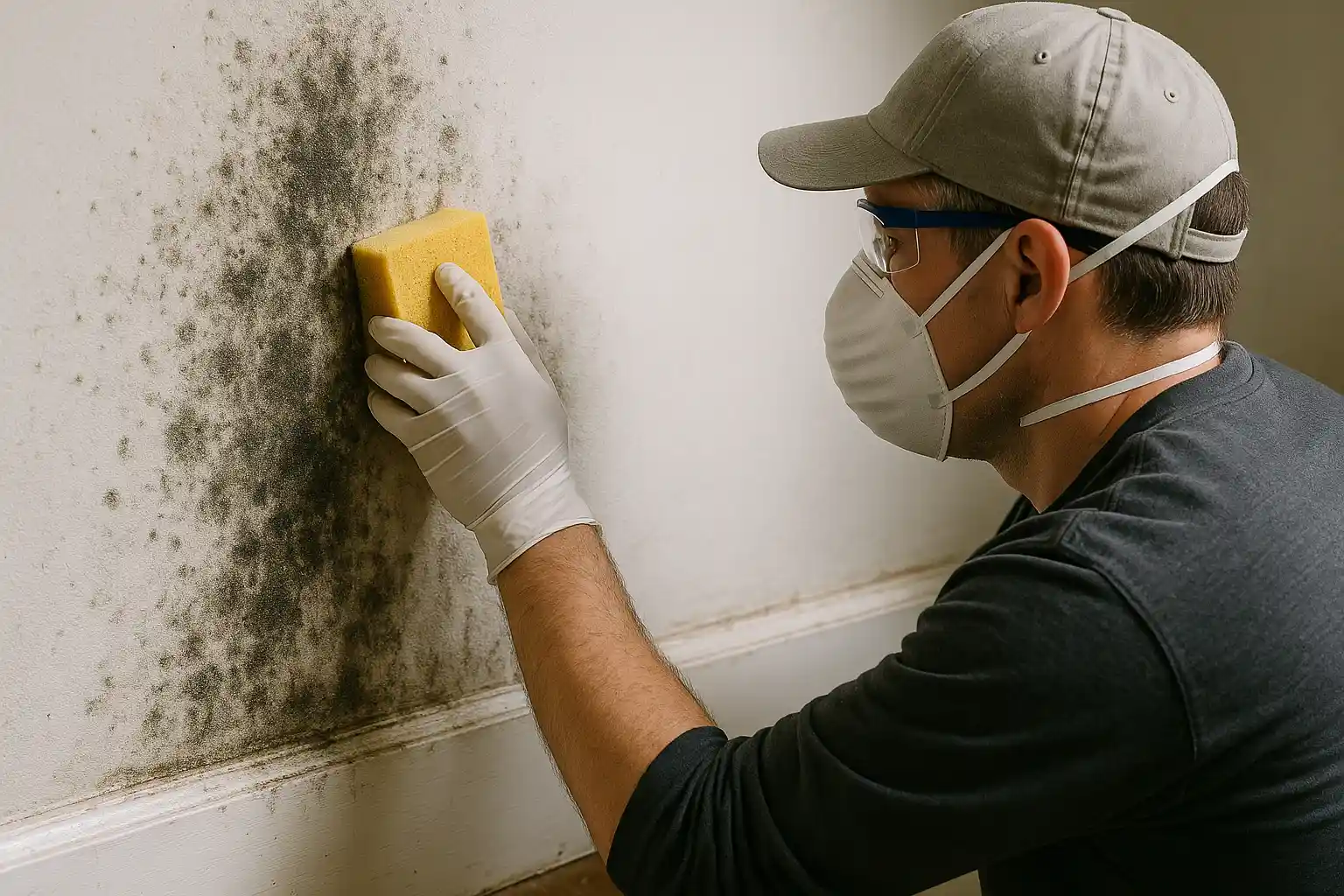
On top of structural concerns, there’s also the risk of mold development. Mold thrives in damp, dark environments and can start growing within 24 to 48 hours of water exposure. Mold doesn’t just damage your home; it can also pose health risks to you and your family, especially for those with allergies or respiratory conditions.
Prevention and Early Detection Tips
Preventing burst pipes from wreaking havoc on your home involves a few proactive steps. Regular inspections and maintenance of your plumbing system are crucial. Look for signs of wear, such as rust or corrosion on pipes, and address any leaks or drips promptly.
Here are some tips to help avoid pipe-related issues:
– Insulate Pipes: Especially in areas prone to cooler temperatures, insulating pipes can prevent freezing and expansion.
– Monitor Pressure: Keep water pressure within safe limits to avoid putting stress on pipes.
– Seasonal Checks: Before colder or warmer months, examine exterior pipes for any vulnerability.
– Know Your System: Familiarize yourself with the layout of your pipes, and know how to shut off the water supply quickly in an emergency.
Early detection measures like listening for unusual sounds in pipes and checking for damp patches in and around the home can help catch minor issues before they become major problems. Staying informed and prepared is your best defense against the destructive potential of burst pipes.
Taking preventative steps and staying aware of warning signs can help keep your home safe and dry, preserving its value and keeping repair costs at bay. Remember, a little vigilance now can save you from bigger headaches later on.
To keep your home protected from the damaging effects of burst pipes, consider investing in expert help through residential water damage restoration. With prompt attention and reliable service, you can avoid long-term structural issues and costly repairs. Trust DryWorx Water Damage Restoration to help maintain the safety and value of your home in Vancouver, Washington.