Mold loves moisture, and leather items like furniture and clothing can become prime targets when conditions are just right. Whether it’s a musty odor wafting from that favorite leather jacket or unsightly spots appearing on a beloved armchair, the reality of mold is an unwelcome one. Mold not only tarnishes these items but also poses a risk to your health. Ignoring the early signs can lead to more extensive damage, making it harder to salvage your prized possessions.
Tackling mold issues promptly is key. Leather, a natural material, is susceptible to damage if mold is allowed to flourish unchecked. The tenderness of leather calls for gentle handling, so it’s essential to approach mold removal with care. By recognizing the signs early and taking action quickly, you can keep your leather looking and smelling fresh while preserving its longevity for years to come.
Identifying Mold on Leather
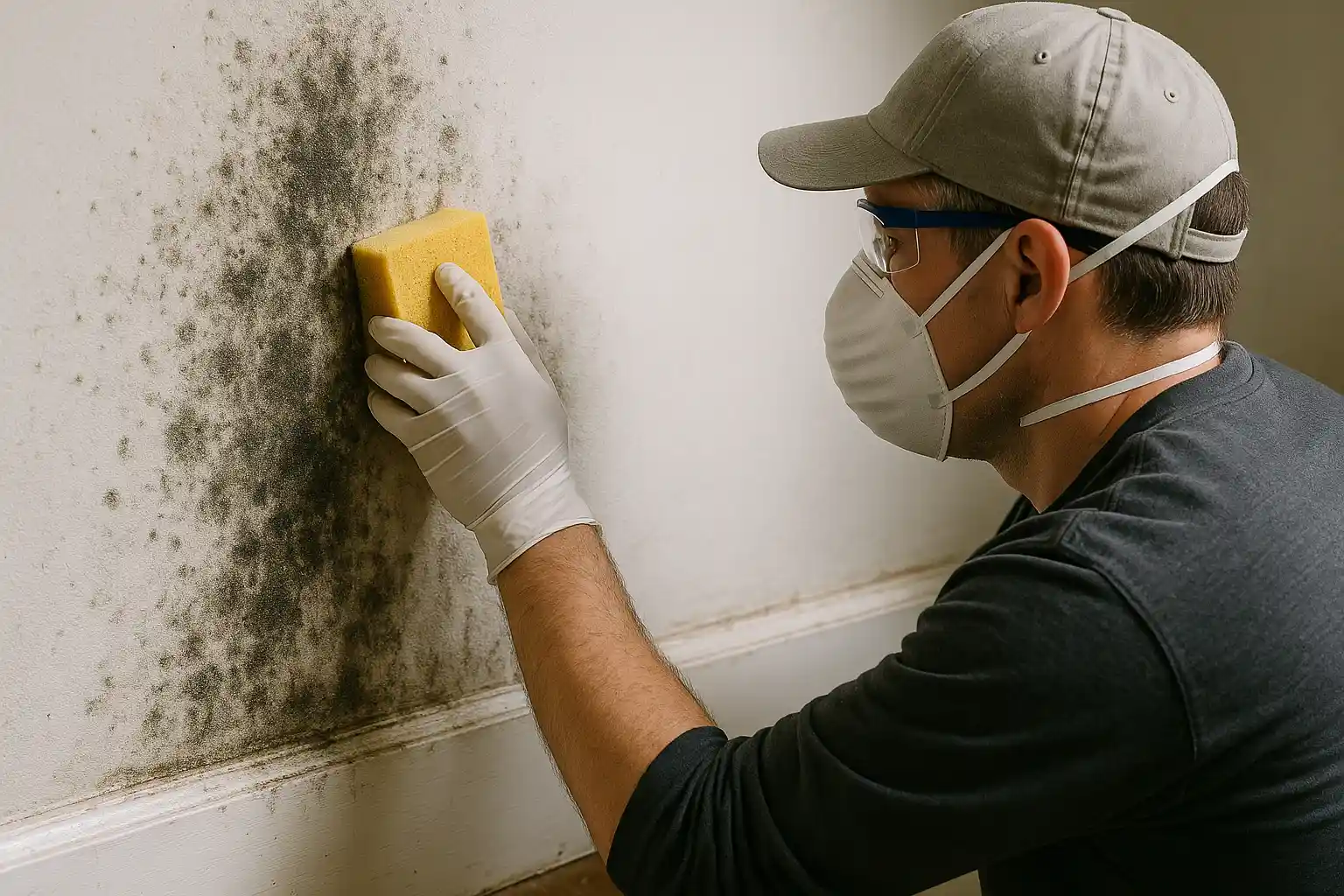
Spotting mold on leather isn’t always straightforward, but there are telltale signs that can alert you to its presence. Mold generally appears as fuzzy or velvety patches that vary in color, ranging from white and green to black. Beyond the visible signs, mold can emit a damp, musty smell. If you notice these indicators, it’s probably time to take a closer look at your leather items.
Several factors contribute to mold growth on leather. Humidity is a significant player, as mold thrives in moist environments. Inadequate ventilation can trap moisture within leather, making it an ideal breeding ground for mold spores. Direct exposure to water without thorough drying can also set the stage for mold development.
To maintain the beauty and durability of leather, understanding the conditions that lead to mold growth is crucial. Preventing these situations can save you from the hassle of dealing with mold removal later. Paying attention to where and how you store your leather items can make all the difference.
Preparing for Mold Removal
Before you begin removing mold from leather, having the right tools is important. You’ll need a soft brush to gently lift away any loose mold without scratching the leather. Rubbing alcohol is a handy supply, helping to clean and disinfect affected areas. A clean cloth is essential for wiping surfaces and soaking up moisture.
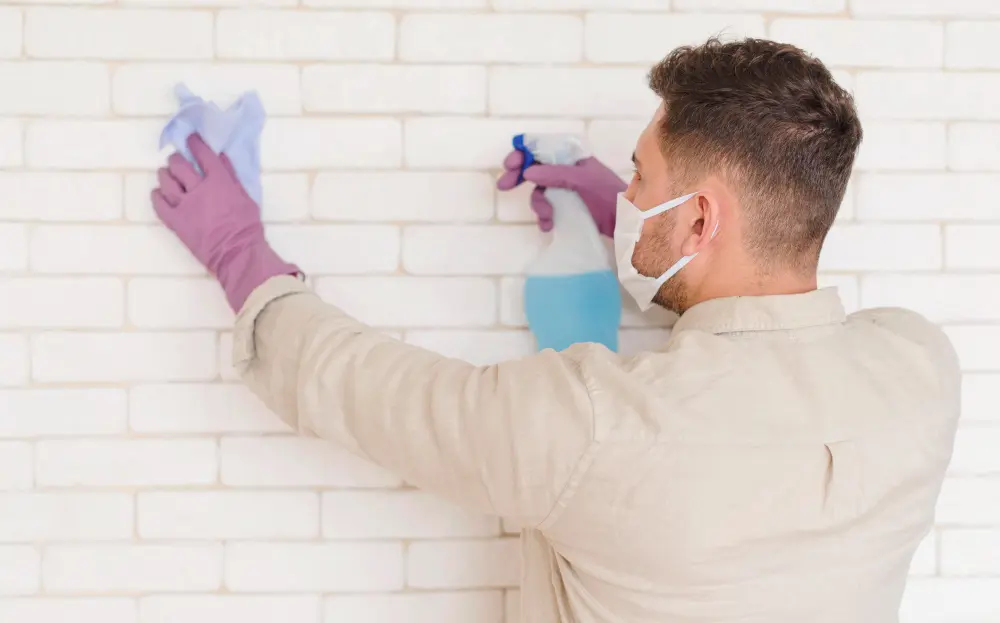
Safety comes first, so ensure you’re prepared with the correct gear. Wear gloves to protect your skin from mold spores and cleaning agents. If the mold situation seems extensive, consider wearing a mask to avoid inhaling spores. Keep the area well-ventilated to reduce moisture build-up and quickly disperse any odors from cleaning agents.
Armed with the right supplies and a good understanding of safety measures, you’re ready to tackle the mold problem. Preparation is half the battle, and ensuring you have the necessary tools and precautions in place will make the mold removal process smoother and more effective.
Step-by-Step Mold Removal Process
Once you’re equipped and ready to go, it’s time to tackle the mold on your leather items. Start with leather furniture. Begin by brushing the mold gently with a soft brush to remove surface mold. Be careful not to grind the mold deeper or damage the leather surface. Keep the area well-ventilated as you work, as this will help in drying and dispersing any spores.
Next, take a cloth soaked in a mixture of water and rubbing alcohol, preferably a 1:1 ratio, and gently wipe the entire surface. This solution is effective in killing mold and preventing further growth. Avoid soaking the leather; a damp cloth should suffice. Once cleaned, allow the item to dry naturally in an airy location away from direct sunlight or heat sources, which can damage leather.
For leather clothing like jackets or pants, you’ll follow a similar approach. Begin by taking the item outside, if possible, to brush away the surface mold. Then, use the cloth with the alcohol solution to wipe down the garment, paying special attention to seams and hems where mold can hide. After cleaning, hang the clothing item in a well-ventilated area to dry naturally. You can stuff sleeves or pant legs with paper to help maintain their shape as they dry.
Preventing Future Mold Growth
Prevention is always better than cure, especially when it comes to maintaining leather. One effective way to prevent mold is by controlling the humidity levels in your home. Using a dehumidifier can help keep the air dry, making it less inviting for mold to settle in. Regularly inspect areas prone to dampness, such as basements or closets, where mold is known to sprout.
When storing leather items, be sure to choose a location that is dry and offers good airflow. Avoid plastic bags or sealed environments that trap moisture. Instead, consider using breathable covers for storage. For items like shoes, fill them with acid-free tissue paper to absorb any potential moisture.
Regular maintenance can also make a big difference. Periodically wipe down your leather belongings with a slightly damp cloth. Not only does this prevent dust build-up, but it also eliminates any developing mold before it takes hold. For added protection, you might want to condition the leather with a product designed to keep it supple and less prone to cracking, which can invite mold.
Trusting the Experts
Sometimes, despite your best efforts, mold can be stubborn or widespread, requiring professional treatment. If you’ve followed these steps and mold persists, it might be time to consult a mold remediation expert. Professionals have the tools and expertise to handle serious mold issues without harming your valuable leather items.
Remember, keeping your leather items mold-free isn’t only about maintaining their appearance. It’s also about preserving your health and preventing any mold-related issues within your home. By adopting these preventive measures and addressing mold immediately when it appears, you can enjoy your leather goods for years to come, free from the threat of mold.
Maintaining a mold-free environment for your leather goods can be challenging, but you’re not alone in this. If you’re dealing with persistent mold problems or need guidance, consider reaching out to a trusted mold remediation company. The experts at DryWorx Water Damage Restoration can help protect your belongings and keep your home a safe and healthy place to live.