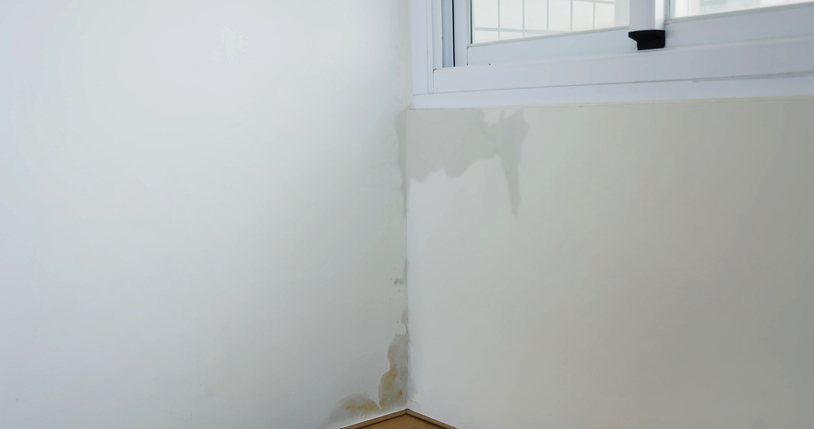
Mold doesn’t always start out in obvious places. It can sneak in slowly, especially when the conditions are just right. One of the most overlooked causes of mold growth in homes is condensation. Warm air meets a cooler surface, moisture forms, and over time, that moisture becomes a perfect welcome mat for mold. The tricky thing about condensation is that it doesn’t need a big leak or flood to create problems. It builds gradually and silently.
Living in a place like Vancouver, Washington, where moisture levels are already high for much of the year, it’s especially important to understand how everyday condensation can lead to bigger mold issues. While it may seem harmless on the surface, like water on a window or dampness under a sink, it can quietly feed mold hidden out of sight. Knowing why it happens and what to look for is the first step to keeping your home healthy and dry.
Understanding Condensation And Mold Growth
Condensation happens when warm, moist air comes into contact with a cooler surface. Think about what happens when you take a hot shower and your bathroom mirror steams up. That water vapor in the warm air cools when it touches the cold mirror and turns into liquid droplets. This process doesn’t just happen in the bathroom. It can occur on windows, walls, pipes, and even inside closets or behind furniture.
Now, a little moisture might not seem like a big deal at first. But over time, if you don’t catch it, those damp spots can create the perfect spot for mold to grow. Mold needs three things to thrive: moisture, a food source, and warmth. Condensation gives it all three if surfaces stay damp long enough. Materials like drywall, wood, and fabric hold moisture very well and are also mold’s favorite food sources.
Some common conditions that promote condensation indoors include:
– Poor insulation in walls or around windows
– Cold outdoor temperatures that drop indoor surface temperatures
– High indoor humidity from daily activities like cooking or showering
– Lack of ventilation in rooms like bathrooms, basements, or laundry areas
Even something as basic as leaving your windows shut all the time can trap moisture indoors and make your home more prone to condensation. Without enough air circulation, the dampness has nowhere to go and settles on cool surfaces.
How Condensation Contributes To Mold Issues
The connection between condensation and mold is pretty straightforward. Mold spores are always floating around in the air, both indoors and outside. They’re usually harmless in small numbers. But when spores land on a damp spot, like the inside edge of a poorly insulated wall, they latch on. As long as the surface stays moist, the spores multiply, turning into visible mold patches.
These mold problems tend to show up in areas where condensation happens regularly. You might find it:
– On windowsills or around window frames
– Under sinks and around plumbing
– Along exterior walls behind furniture
– Inside closets that don’t get much airflow
– In corners of bathrooms or laundry rooms
For example, a closed-off guest room with a north-facing window might feel chilly and not get much air movement. If moisture builds on the glass during colder mornings and no one wipes it away, that lingering dampness can feed mold over time. Left unchecked, it could creep into the drywall below the window frame before anyone notices.
Even though the moisture comes from the air itself, mold doesn’t care where it came from. It just needs water and time. This is why understanding the pattern of condensation in your home is important. It helps you spot the risks before mold becomes a bigger, more expensive problem.
Identifying Mold Problems Due to Condensation
Recognizing signs of mold early is your best defense in stopping it from becoming a major hassle. When condensation is the culprit behind mold, you’ll often notice telltale signs in specific areas of your home. Look for these indicators:
– Discolored patches on walls or ceilings, particularly along exterior walls
– Black or dark spots appearing in the corners of bathrooms or kitchen sinks
– A musty smell that doesn’t seem to go away, especially in closed-off spaces
– Wallpaper peeling or bubbling due to moisture seeping behind it
These visual clues can point to mold growth triggered by condensation, and addressing them promptly can prevent further spread. Let’s say you consistently notice an odd odor in your guest room. It’s a smart move to check behind large pieces of furniture where airflow is limited, as mold thrives in these hidden spots.
Preventative Measures To Control Condensation
To keep condensation in check and avoid mold surprises, consider several practical strategies. Improving airflow and reducing indoor humidity levels are your starting points. Here’s how to tackle it:
– Use exhaust fans in the bathroom and kitchen to vent moisture-laden air outside
– Open windows during mild weather to let in fresh air and improve circulation
– Install a dehumidifier in damp areas to draw excess moisture out of the air
Improving insulation helps prevent warm indoor air from hitting cold surfaces and forming condensation. Sealing gaps around window frames or adding insulation to exterior walls can help keep temperatures more even and reduce moisture buildup on indoor surfaces.
If your furniture or walls often feel damp or cold, consider repositioning furniture to allow for better airflow. Avoid cramming large items up against exterior walls where condensation is more likely to settle.
These small adjustments make a noticeable difference in moisture control and stop mold before it starts.
Professional Mold Remediation Services in Vancouver, WA
Sometimes, preventing mold goes beyond simple fixes, and knowing when to bring in professionals can save a lot of trouble. If mold keeps reappearing despite your efforts, or if the affected area is more than you can handle comfortably, it’s time to seek expert help.
Professional mold remediation services take a thorough approach. DryWorx Water Damage Restoration starts with identifying the full extent of the mold issue, using specialized tools to detect moisture and hidden growth. Then, they clean the area using proven methods and equipment designed specifically for mold removal.
This process removes the mold and also helps prevent it from returning. When moisture levels are corrected and surfaces treated properly, mold has no chance to take hold again. Hiring a team that specializes in mold remediation ensures your home is treated with care.
Keeping Your Home Mold-Free
Keeping mold away is an ongoing effort, but it’s absolutely doable with good habits and a little attention to your home’s condition. Inspect high-risk zones regularly like bathrooms, closets, and anywhere that sees little airflow. Small issues like cracked caulk around a window or condensation on a cold wall could be early warnings.
Keep an eye on indoor humidity. Simple tools like hygrometers give you a clear idea of moisture levels, and if they’re high, a dehumidifier can balance things out.
Don’t overlook small indicators like musty odors or peeling paint. They often show up before mold becomes visible. By reacting quickly and making minor improvements, you can stop condensation before it creates a bigger mold problem.
When you understand how condensation leads to mold, it becomes easier to spot problems early and take action. With consistent checks, improved airflow, and expert help when needed, you can protect your home and the people living in it.
A clean, dry home isn’t just more comfortable—it’s healthier and longer lasting. Stay ahead of the moisture and mold won’t stand a chance.
For anyone dealing with mold due to pesky condensation issues, enlisting professional help can make all the difference. DryWorx Water Damage Restoration is here to assist with comprehensive mold remediation services in Vancouver, WA that address the problem at its core. Whether it’s persistent spots in the bathroom or unexplained odors creeping through the basement, getting expert support ensures a clean, healthy environment. Don’t let condensation take control—let us help keep your living space comfortable and mold-free.