Heavy winds often come fast and without much warning. When strong storms blow through, your roof is one of the first parts of your home to take the hit. It keeps your family, your belongings, and the structure of your house protected. But over time, even a sturdy roof can wear down or suffer sudden damage during high winds. Planning ahead can make a big difference when it comes to reducing storm damage and avoiding huge repair bills.
For homeowners in Vancouver, Washington, wind damage is something that shouldn’t be ignored. Summertime may bring more sun, but storms still pop up with little notice. Preparing your roof before a storm season gets underway means you’re less likely to deal with leaks, blown-off shingles, or worse. A few basic steps can go a long way when it comes to keeping your home safe and your maintenance costs lower.
Common Types of Wind Damage to Roofs
Each storm brings a different kind of trouble, but wind damage usually shows up in a few common ways. Knowing what to look for helps you spot problems before they get bigger.
Here are a few signs of wind damage you might see on your roof:
– Missing shingles: Strong wind can lift and rip shingles right off the roof. Just a few bare spots can let water sneak in.
– Curling or lifting shingles: Even if the shingles are still attached, edges that curl up make the roof much weaker and more prone to leaks.
– Torn or bent flashing: Flashing around vents or chimneys can get loosened or pulled away by wind, letting water seep into the roof structure.
– Cracked or broken tiles (if you have a tile roof): These weak areas can break further or shift, opening up gaps over time.
– Leaks or water stains inside: Water spots on your ceiling may mean wind damaged your roof enough to let water inside.
After a storm, it’s smart to walk around your home and look up at your roof from the ground. Binoculars can help you see more detail. You might also find roof debris like shingles or nails on the ground. If something looks off, it usually is. Even small damage can lead to larger issues if ignored.
Steps to Protect Your Roof Before a Storm
Taking care of your roof before the winds pick up helps prevent more serious problems later. You don’t need fancy tools or a full rebuild to make your roof stronger. Most of the best practices are easy to apply with a bit of planning.
Try these steps to keep your roof protected before the next storm moves in:
1. Check your shingles: Walk around your yard and look for any obvious patches of missing or damaged shingles. If it’s safe to get on your roof or use a ladder, gently tug at a few along the edge to make sure they’re firmly in place.
2. Reinforce loose parts: Tighten or replace nails as needed. Use roofing cement to secure shingles that look like they’re lifting.
3. Look at flashing and vents: Make sure flashing around chimneys, skylights, and vents is secure. Use caulk or sealing tape to fix minor drafts or gaps.
4. Trim nearby branches: Cut back any limbs that hang over your roof. In a storm, tree branches can slam into shingles or fall onto the roof.
5. Clear out gutters: Clogged gutters make it easier for water to back up and seep under your roof. Scoop out leaves and rinse everything clean with a hose.
Even if some of this sounds like a small fix, each step helps give your roof a better chance at standing up to heavy winds. A basic check once or twice a season keeps things in good shape and lets you catch trouble early.
Immediate Actions After a Storm Hits
Once a storm has passed, it’s time to take action to prevent further damage. Just be cautious when checking your property, especially if there are any loose or dangling branches. Here’s what you should focus on:
– Visual Roof Inspection: Start by looking for any obvious signs of damage from the ground. Binoculars can help you spot missing shingles or mangled flashing. If it’s safe, you might step onto a ladder and get close enough to assess the condition along the edges.
– Interior Check: Head inside to see if there are leaks or water stains on your ceilings. Even a tiny drip could suggest that a shingle has been ripped off or flashing has been compromised.
– Coverage Documentation: Use your phone or any camera to take clear photos of damage. This visual proof can be helpful when talking to your insurance company.
Acting swiftly can prevent a minor issue from escalating into a major, costly headache.
Benefits of Hiring Professionals for Storm Damage Repair
While some minor fixes, like clearing debris, can be DIY tasks, significant roof damage requires a professional touch. First, professionals have the experience to handle a wide range of problems beyond what’s visible. Safety is also a big factor. Climbing onto a roof can be dangerous, especially after a storm when surfaces may be slippery or damaged.
Professionals use advanced tools and techniques. They will spot damage that might be easy to miss. Repairs are done efficiently, reducing the risk of future issues. Plus, many providers offer warranties, giving you peace of mind with their work.
Vancouver homeowners might think about local experts who are familiar with the weather patterns and the specific challenges homes in this region face. These teams often have faster response times and are more likely to understand the local infrastructure and roofing trends.
Final Thoughts on Maintaining a Storm-Ready Roof
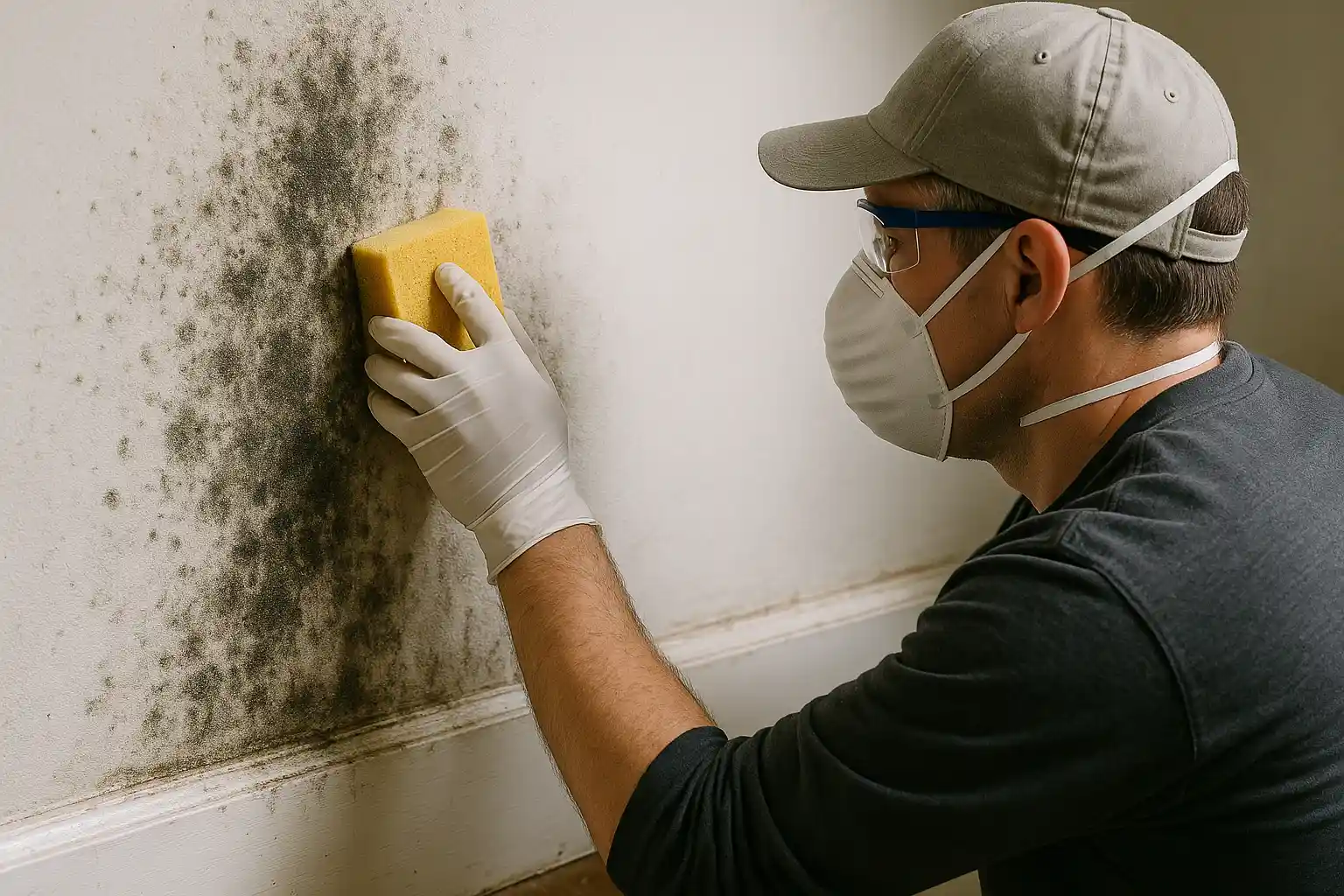
Maintaining your roof isn’t just about keeping your home looking good. It’s a fundamental part of homeownership. A solid roof guards against leaks, structural damage, and mold issues that can stem from water intrusion. By performing regular checks and maintenance, you’re investing in the overall longevity of your home.
Take proactive steps by setting up a routine twice a year to look over your roof. Address the minor issues or contact an expert if something seems beyond what you’re comfortable handling. It’s usually worth the time and effort to catch a problem early, avoiding more extensive repairs later.
Keeping your roof in excellent condition doesn’t have to be overwhelming. Think about it as part of the routine care of your property. Doing so ensures your home’s safety and enhances its overall value, preventing those stressful post-storm surprises. With a bit of vigilance and expertise, you can confidently face whatever storm clouds may come your way.
If you’re in Vancouver, Washington, and your home has taken a beating from recent storms, DryWorx Water Damage Restoration is here to help. Our team handles all aspects of storm damage repair to keep your property safe and sound when the weather takes a turn. Let us get your roof and home back in shape without the stress.