Dealing with sewage issues can be a challenging experience, often leaving homeowners overwhelmed and unsure of the first steps to take. The truth is, sewage cleanup is more than just a dirty job; it requires expertise to ensure the safety and well-being of everyone involved. Professional sewage cleanup is crucial in preventing potential health hazards and structural issues that could arise from improper handling.
When sewage problems strike, time is of the essence. Delays can lead to further contamination and increased damage, making the cleanup process more complex. This urgency highlights the importance of having a skilled team on hand to assess and address the situation promptly and efficiently. By comprehending the steps involved in sewage cleanup, homeowners can make informed decisions and minimize the long-term impact on their property.
The Immediate Response: Assessing the Damage
After arriving on the scene, professional cleanup teams start by conducting a thorough assessment of the situation. This initial step is vital as it determines the best course of action and sets the foundation for an effective cleanup process. Technicians inspect the affected area, identify the source of the sewage issue, and evaluate the extent of the damage.
Understanding the severity of the situation helps in forming a clear plan of action. During the assessment, professionals look for:
– The affected area and the spread of contamination
– Potential structural damage or weakened building materials
– Health and safety risks to occupants
By pinpointing these specifics, the cleanup crew ensures that no detail is overlooked, leading to a comprehensive approach that addresses every hazard and restores the home’s safety. Additionally, this step allows professionals to communicate effectively with homeowners, setting realistic expectations about the cleanup process and timeline.
A quick response is essential to prevent further issues. For instance, if a sewage backup is caused by a blockage, clearing it promptly can stop sewage from spreading to other parts of the house. This immediate action prevents secondary damage and mitigates health risks linked to prolonged exposure.
Through a detailed assessment, cleanup teams can customize their approach to the specific needs of the property, ensuring an efficient and thorough restoration process. This initial step, although often overlooked, is a key component in minimizing the disruption and damage caused by sewage problems.
Cleanup Process Breakdown
Understanding the cleanup stages helps demystify the process and reassure homeowners about the thoroughness of the solution. The sewage cleanup typically involves three main stages: Removal, Disinfection, and Disposal. Each stage plays a critical role in ensuring the area is safe and habitable again.
Initially, the removal stage comes into play. Professionals start by extracting sewage water to contain contaminants and prevent further damage. Using specialized pumps, they quickly and efficiently remove standing water. Next, solid waste and debris are cleared out, ensuring that all visible contaminants are taken care of.
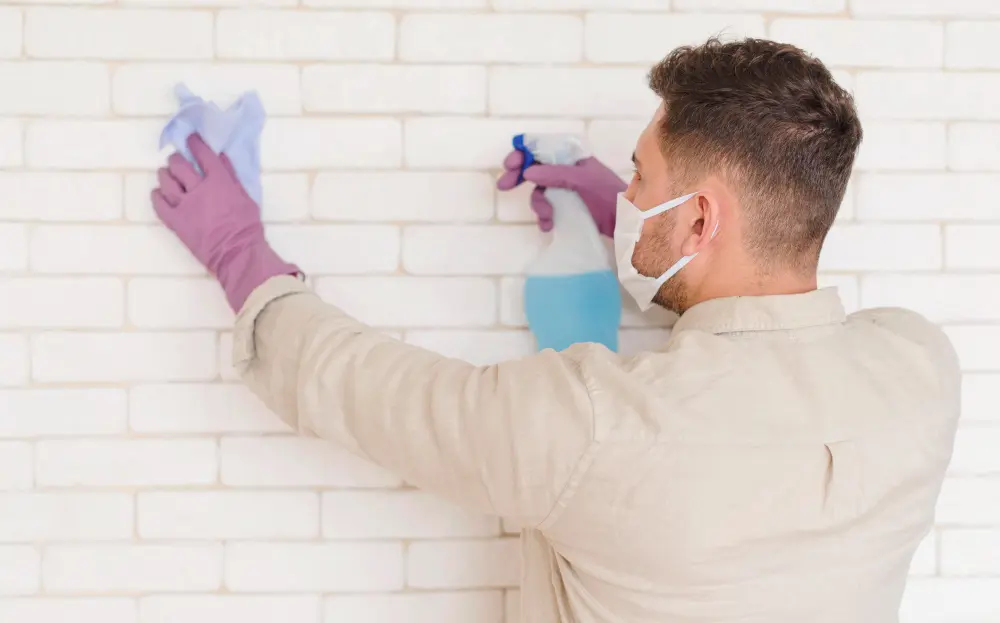
Once the area is cleared, the focus shifts to disinfection. This stage addresses the microscopic threats—harmful bacteria and pathogens. Technicians apply industrial-strength disinfectants across impacted areas to eliminate these health hazards. Tools like sprayers and fogging devices help in covering large spaces uniformly.
Finally, proper disposal of contaminated materials is crucial. The collected waste is securely disposed of, adhering to local and federal regulations. Disposal not only clears the area but also prevents future contamination.
Factors Influencing Cleanup Duration
Several factors dictate how long the cleanup process might take. Understanding these can help set realistic expectations and prepare homeowners for the timeline involved. Here are key elements that influence cleanup duration:
1. Extent of Damage: The more extensive the sewage infiltration, the longer it will take to restore the area. A flood that affects multiple rooms will naturally require more time than a localized spill.
2. Area Size: Larger areas need more time for complete cleanup. A basement, for example, might take longer due to its size compared to a small bathroom.
3. Contamination Level: If the sewage contains hazardous waste, it requires additional safety measures and time for careful handling.
For instance, a small incident in a kitchen might take a few hours, while a large-scale basement flood could take several days, especially if structural repairs are involved.
Why Professional Help is Essential
Professional assistance ensures that sewage cleanup is comprehensive and safe. Specialists bring a wealth of knowledge and tools tailored to handle the complexities of sewage issues. They understand what’s needed to not just clear the water and debris but also to restore the affected areas to a livable condition.
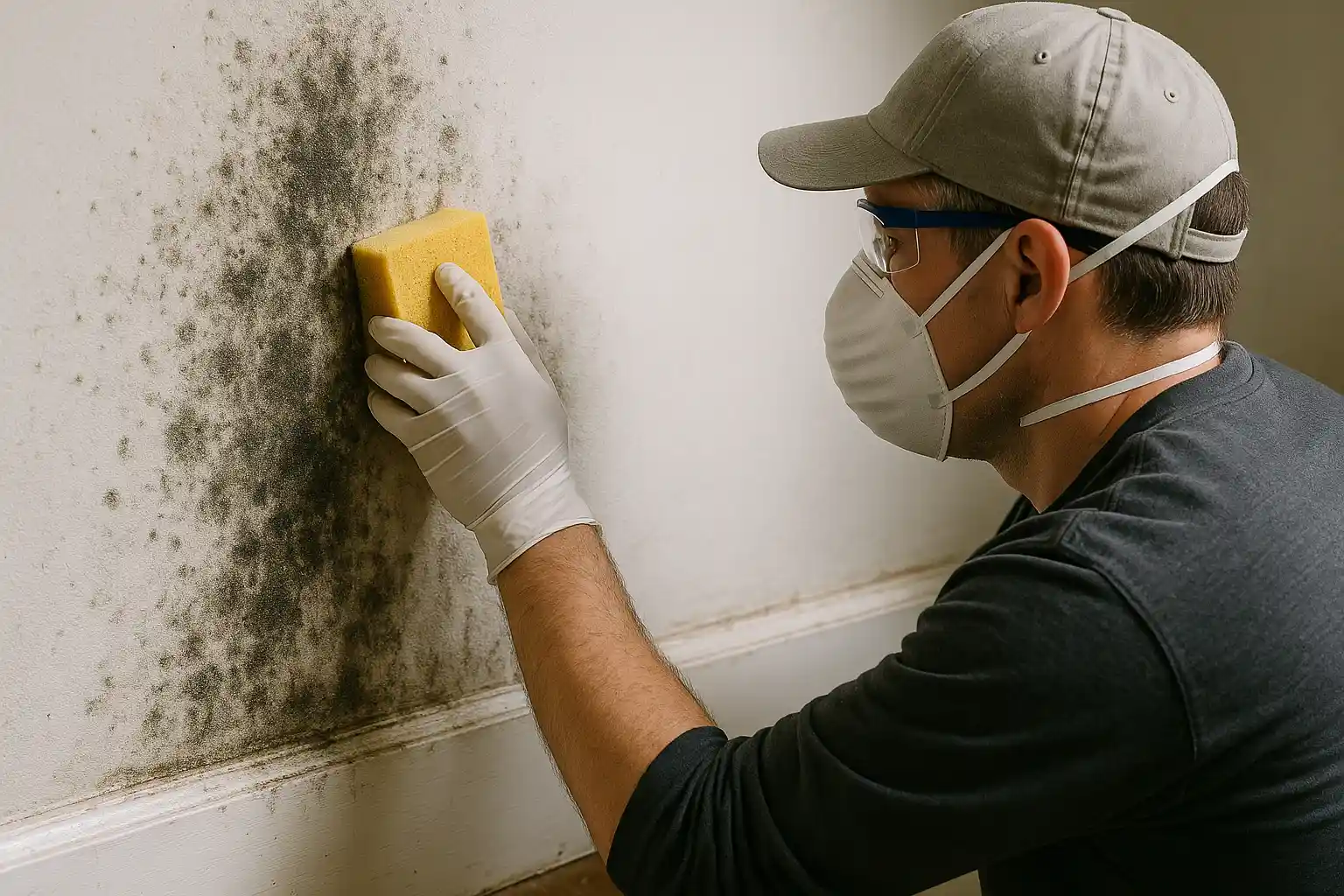
Attempting a DIY cleanup might seem tempting but is fraught with risks. Without proper gear and expertise, there’s a high risk of exposure to harmful pathogens. Also, improperly handled sewage can lead to persistent odors or even structural damage which makes your home unsafe.
Professionals not only address immediate concerns but also provide peace of mind by restoring your home efficiently. Their experience allows for pinpointing hidden threats, ensuring that clean-ups are not just surface level but comprehensive.
If you’re in Vancouver and dealing with the aftermath of sewage damage, working with a professional commercial restoration company can help get your home back to normal faster. DryWorx Water Damage Restoration brings experience, reliable tools, and attention to detail that makes all the difference. Contact the team today to start restoring your space safely and completely.