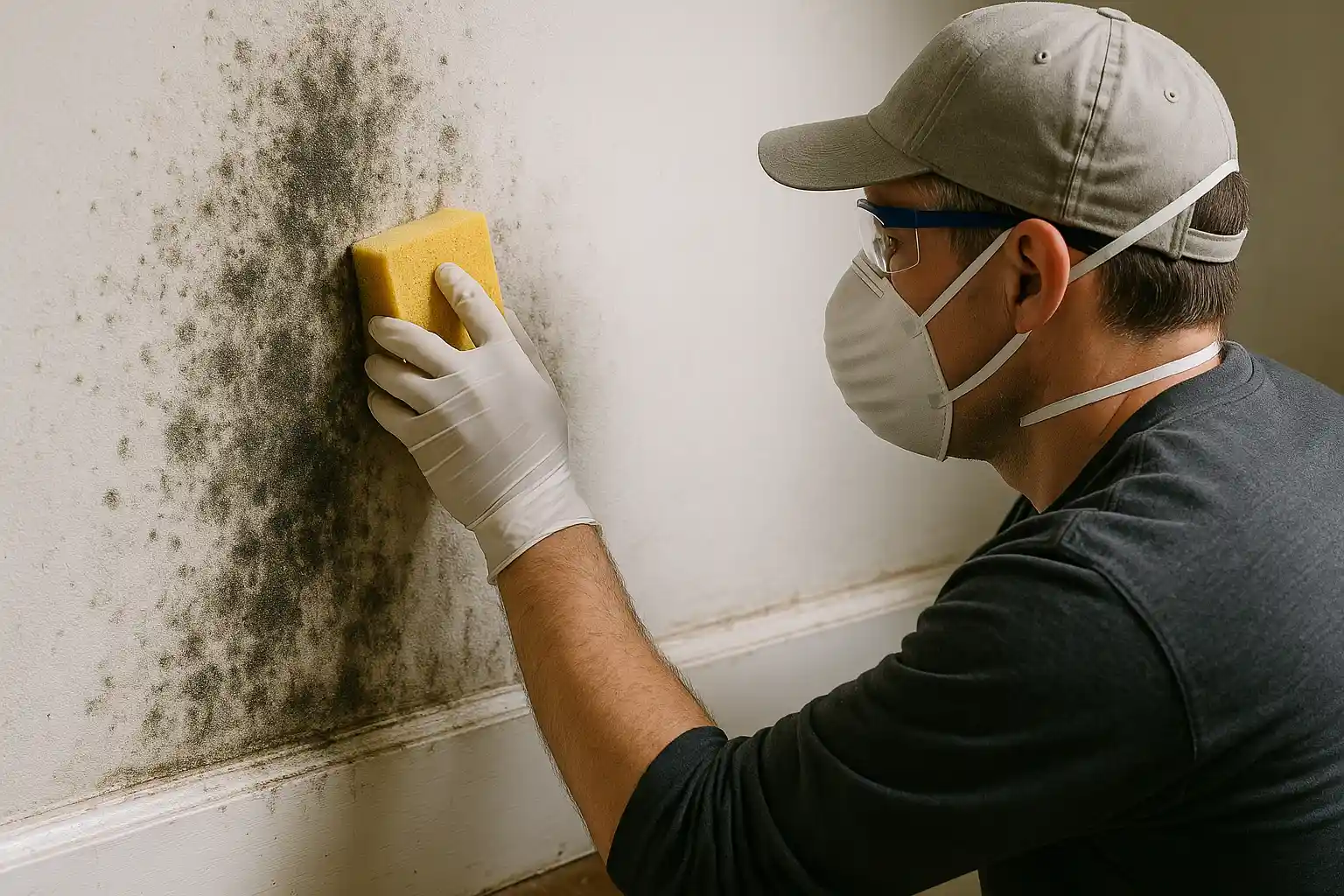
Keeping children’s toys and play areas mold-free is a key concern for any parent, as safeguarding their health is always a top priority. Mold exposure can lead to various health issues, particularly in young ones who are more vulnerable to allergens. Toys, especially those frequently exposed to moisture, can become breeding grounds for mold, which can then spread to other parts of the play area if not addressed promptly. Regular maintenance and vigilance are essential to ensure that your child’s playthings remain safe and hygienic.
Understanding how to identify and eliminate mold from toys and play areas is crucial in preventing potential health risks. With a proactive approach, parents can remove existing mold and implement strategies to keep it from returning. By focusing on effective cleaning methods and preventive measures, you can create a healthy environment where your children can play and grow without the threat of mold exposure.
Identifying Mold on Toys and Play Areas
Mold thrives in damp, dark environments, making certain types of toys and poorly ventilated play areas prime candidates for their development. To protect your children, it’s important to recognize the signs of mold early. Here are some common indications:
– Discoloration: Dark spots or patches, often black, green, or white, can signal mold growth on toy surfaces or within fabrics.
– Musty Odor: A strong, unpleasant smell suggests the presence of mold, even if it’s not immediately visible.
– Changes in Texture: A fuzzy or slimy texture on toys or play area surfaces is a clear indication of mold development.
Routine inspections and cleaning can facilitate early detection, making it easier to address mold problems before they worsen. Encouraging this habit will help maintain a safe environment for your children, minimizing health risks like respiratory issues or allergies.
Once you spot any signs, it’s essential to act swiftly and not ignore the problem. Using a flashlight to check hard-to-see spots and regularly turning over plush or fabric toys to inspect seams and stuffing areas can help catch mold early. If you notice a musty smell in your child’s play area, don’t overlook it; take a closer look to identify the source. Prompt actions create a healthy, mold-free space for your children to enjoy their playtime.
Safe Cleaning Solutions and Techniques
When dealing with mold on your child’s toys and in play areas, using safe and effective cleaning solutions is important. Not only do you want the mold gone, but you also need to ensure that the cleaning agents are non-toxic and safe for kids. Here’s how you can tackle mold removal with confidence:
1. Plastic Toys: Mix a solution of warm water and mild dish soap. Use a scrub brush or toothbrush to gently scrub the mold away. Rinse thoroughly and allow the toys to dry completely.
2. Fabric Toys: Start by checking the care label for cleaning instructions. If machine-washable, use a hot water cycle and add a vinegar rinse to kill mold spores. For non-washable items, spot clean with a vinegar and water solution, then sun-dry to eliminate odors.
3. Wooden Toys: Make a mixture of equal parts water and white vinegar. Wipe down the toys with a cloth dampened with this solution. Avoid soaking the wood as it can warp or crack. Thoroughly dry with a towel and let the toys air out in sunlight.
Remember to choose cleaning products that are safe for children and the environment. Avoid harsh chemicals that may leave harmful residues. This ensures that your efforts to rid the toys of mold do not inadvertently introduce another danger to your home.
Preventative Measures to Keep Mold Away
Keep these practical tips in mind to help prevent future mold growth on toys and in play areas:
– Ventilation: Ensure that play areas are well-ventilated. Open windows or use fans to reduce humidity levels.
– Regular Cleaning: Establish a routine for cleaning toys and play surfaces. Frequent attention can halt mold before it starts.
– Moisture Control: Place toys in dry areas and use dehumidifiers in moist spaces. Be mindful of any water leaks or drips near the play area.
By maintaining a dry, clean environment, you minimize the growth of mold, ensuring your child’s play spaces remain safe and healthy.
When to Seek Professional Help
There are times when tackling mold yourself might not suffice. Here’s when it makes sense to bring in experts:
– If mold covers a large area or returns repeatedly despite cleaning.
– When the mold causes visible damage to toys or surfaces that go beyond cosmetic issues.
– If household members experience allergy symptoms or breathing issues possibly linked to mold exposure.
Professional services offer comprehensive mold removal, ensuring that even hidden mold is thoroughly addressed. This keeps your home environment healthy and safeguards your family’s well-being.
Keeping Your Children’s Play Environment Safe
Maintaining a mold-free environment for your kids involves a combination of vigilance, regular cleaning, and preventative strategies. By recognizing signs of mold early and keeping up with cleaning routines, you’re setting the stage for a healthier home.
Creating safe play spaces ensures that your children can enjoy their toys without the worries that mold might bring. With these steps, you’ll keep their environment as welcoming and safe as it should be.
For comprehensive and effective mold treatment at home, reach out to professionals who specialize in keeping your environment safe and healthy. At DryWorx Water Damage Restoration, our experts ensure that even hidden mold doesn’t pose a risk to your family. Learn how we can help with home mold removal today.