Water damage can turn beautiful wood floors into a homeowner’s nightmare if not addressed quickly. Whether it’s due to a burst pipe, heavy rainfall, or even an accidental spill, water can seep into the wood, causing it to warp, discolor, and sometimes even foster mold growth. When wood floors in your home are at stake, acting fast is key to preserving their beauty and longevity. Understanding the steps to save your floors promptly can make a big difference in preventing further harm and reducing repair costs.
Living in Vancouver, Washington, you might find that water damage is not uncommon, especially with the seasonal rains. The climate can take a toll on homes, making it all the more important to be prepared. If you’re dealing with water damage, knowing the initial signs of trouble and having a plan in place can help protect your investment.
Identifying Water Damage in Wood Floors
Recognizing the early signs of water damage can help prevent more serious issues later on. Being aware of what to look out for can save you time and money. Here are some common indicators of water damage in wood floors:
– Discoloration: Noticeable dark or light patches compared to the wood’s natural color.
– Warping: Floors that appear to be bending, buckling, or cupping.
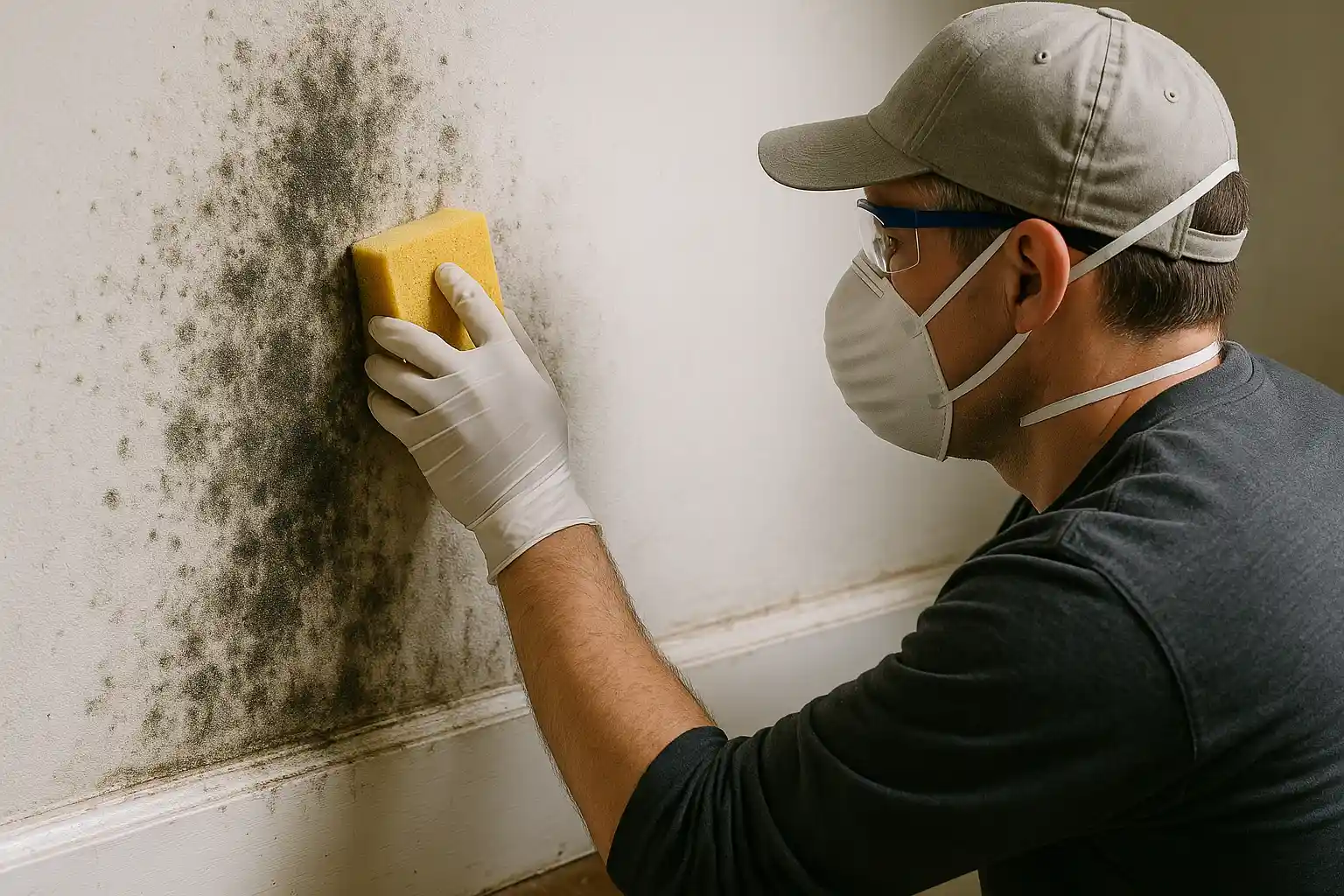
– Mold Growth: Visible mold, or a musty smell indicating hidden mold beneath or between floorboards.
Once you’ve identified these signs, it’s important to assess the extent of the damage. Start by checking the severity:
1. Surface Damage: Inspect if the issue is limited to the surface with no swelling or lifting.
2. Subfloor Integrity: Check beneath the floorboards to see if the subfloor is damaged.
3. Hidden Moisture: Use moisture meters to detect water that’s not visible at a glance.
Detecting water damage early allows you to take quick action, preventing further deterioration. This proactive approach can make all the difference in maintaining the beauty and functionality of your floors.
Immediate Actions to Take
When faced with water damage, immediate steps can mitigate worsening conditions. Timing is everything, so here are some actions you can take right away:
– Dry Out Quickly: Use fans and dehumidifiers to speed up the drying process. Position fans strategically for maximum airflow and a dehumidifier to reduce moisture levels in the room.
– Remove Standing Water: Mop up or vacuum excess water as soon as you spot it to prevent it from soaking deeper into the wood.
– Safety Precautions: Ensure electricity is turned off before entering a waterlogged area to avoid any risk of electric shock.
By following these steps, you reduce the risk of further damage and lay the groundwork for more thorough repairs. Taking charge immediately can help preserve the structural integrity and appearance of your wood floors, sparing you from potential heartache and additional expenses.
Professional Water Damage Repair Services
When dealing with more significant water damage, calling in professionals becomes a smart move. Repair services in Vancouver offer expertise that ensures repairs are efficient and thorough. By hiring experts, you can expect a comprehensive approach that includes drying, repairing, and restoring your wood floors.
Professionals have specialized equipment and knowledge to thoroughly dry out floors and prevent long-term issues. They can assess all hidden damage, meaning they won’t miss any spots that might not be visible right away. With their help, you won’t have to worry about recurring issues because they target the root of the problem. This can save time and help maintain the quality and beauty of your floors.
Preventing Future Water Damage
Once your floors are repaired, taking steps to prevent future damage is just as important. Here are straightforward tips to keep those wood floors safe:
– Waterproofing: Apply sealants to make the floors less susceptible to moisture.
– Regular Inspections: Check your floors frequently for signs of moisture or damage.
– Timely Repairs: Fix minor issues before they escalate to significant problems.
Controlling humidity levels inside your home is another key aspect. Using a dehumidifier during wet seasons can reduce moisture around your floors. Installing moisture barriers beneath the floors adds an extra layer of protection. With these precautions, you create a shield against future water problems.
Maintaining Wood Floors Post-Repair
With repairs complete and protective measures in place, maintaining your floors is the next step. Simple, consistent care can extend their lifespan and keep them looking beautiful.
Regular cleaning is essential. Sweep or vacuum to remove dirt and prevent scratches. Use a damp, but not wet, mop for cleaning. Choose products designed for wood to avoid damaging the surface. It’s also a good idea to establish a maintenance routine:
1. Weekly Cleaning: Lightly sweep and mop to keep surfaces clean.
2. Monthly Check-ups: Inspect for any signs of wear or moisture.
3. Annual Maintenance: Deep clean and reseal if needed to maintain protection.
Proper maintenance ensures your efforts are not wasted. Despite any previous setbacks from water damage, your wood floors can still be a stunning feature of your home, bringing both comfort and elegance. Regular care and smart preventive measures will keep your investment secure.
Ensure your wood floors remain as stunning as ever, even after unexpected water incidents. If water damage has already taken a toll, let DryWorx Water Damage Restoration guide you back to pristine condition with expert services in water damage repair in Vancouver, WA. Our dedicated team is equipped to tackle moisture issues, offering solutions that protect your investment and restore your home’s beauty and comfort.