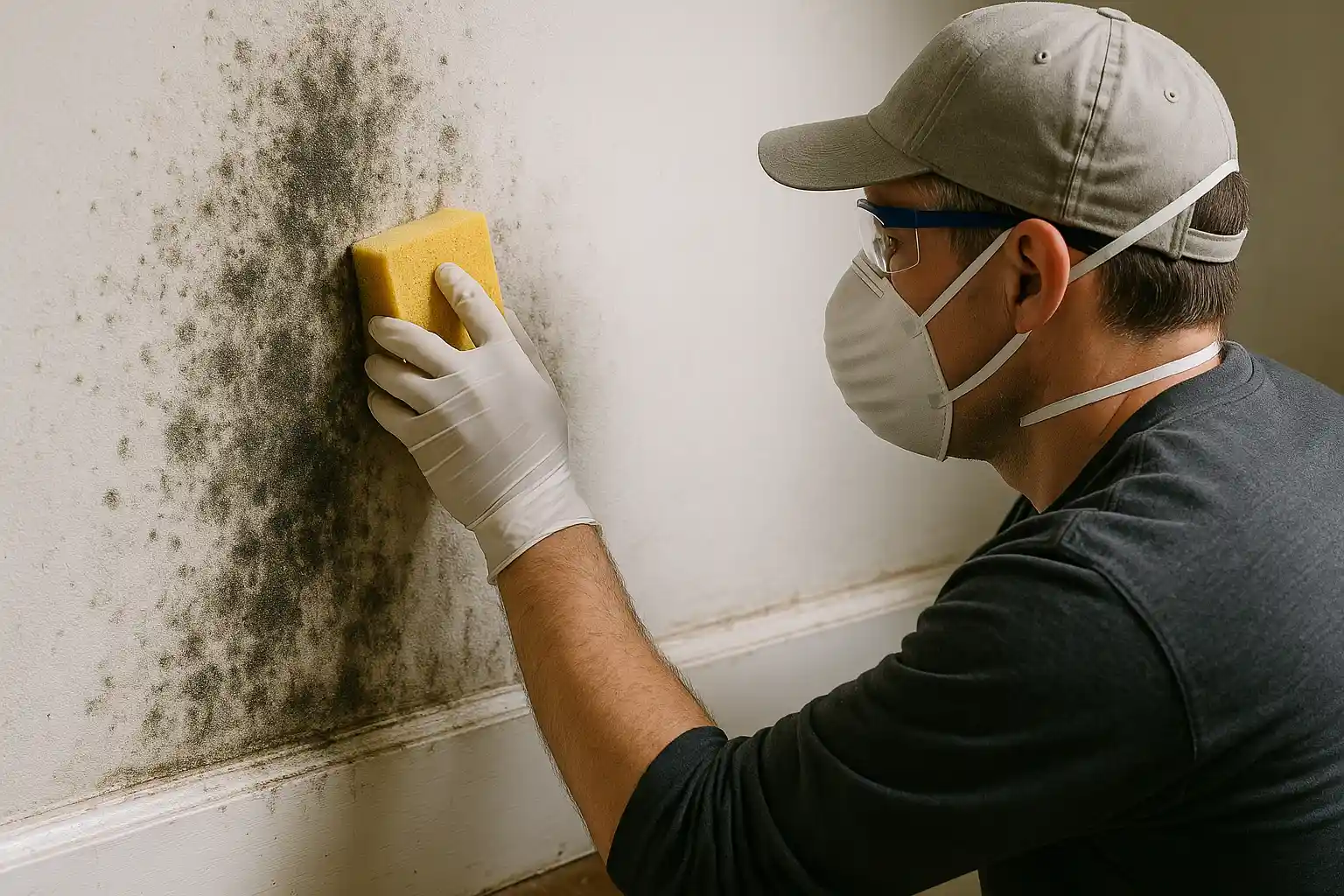
Bathrooms are a common site for mold development, despite efforts to keep them dry and ventilated. This seems puzzling at first, but there’s a logical explanation. Bathrooms present the perfect environment for mold to thrive, especially with the constant presence of moisture and the occasional oversight in maintaining proper airflow. Even in homes with ventilation systems, mold often finds a way to quietly grow in the humid corners, leading to health and structural concerns over time.
In Vancouver, where wet conditions are somewhat frequent, the challenge becomes even more pronounced. Understanding why mold appears can help homeowners tackle this persistent problem. While many rely on ventilation to keep mold away, there’s more to keeping a bathroom mold-free than just turning on a fan. Let’s explore some common causes and the misconceptions about bathroom mold, along with practical tips to banish it for good.
Common Causes of Mold in Bathrooms
Moisture is one of the biggest culprits in bathroom mold growth, and it comes from several different sources. Here’s a look at why bathrooms often become mold hotspots:
– Poor Ventilation and High Humidity: While having a vent might seem adequate, improper use or insufficient power can render it ineffective. Sometimes bathrooms are designed without windows or vents at all, causing moisture to settle and create the perfect invite for mold.
– Leaky Plumbing or Fixtures: Dripping faucets or cracked pipes can introduce water scales or small puddles where mold can start to grow. Over time, even minor leaks can soak into walls and floors, creating an unseen mold playground that thrives out of sight.
– Organic Materials: Towels, wallpaper, and wood fixtures are all perfect feeding grounds for mold. Couple this with an ever-present mist of steam, and it’s no surprise that shower curtains or wooden cabinets might start showing speckles of unwelcome growth.
Recognizing these contributors can help focus attention on managing and preventing mold in the bathroom. Homeowners might find that regular inspections and some simple changes in bathroom habits significantly cut down on mold appearances. Ventilation, in particular, deserves a closer look, as it might hold the key to a mold-free bathroom.
Why Mold Develops Despite Ventilation
Relying on a fan alone might not be enough. Sometimes it’s about how you use it, and how you take care of other aspects of your bathroom maintenance:
1. Insufficient Ventilation: If the fan is too small for the space, it won’t remove enough moisture. It needs to be running during and after showers to effectively clear out humidity.
2. Moisture Accumulation: Even the best systems need proper maintenance. Remember to clean vent covers and ensure there are no blockages preventing airflow, like dust or debris.
3. Regular Cleaning and Maintenance: Simply having a system isn’t enough. Wiping down surfaces, fixing any minor leaks promptly, and using mold-resistant paint add layers of protection. Emptying and disinfecting trash bins frequently can also reduce spores.
These steps highlight the importance of an active approach to ventilation and care. By combining good habits with regular maintenance, you can significantly reduce mold risks in your bathroom, keeping it fresh and healthy.
Effective Strategies to Prevent Mold Growth
Preventing mold in your bathroom can save you time and stress in the long run. Here are some strategies to create a mold-resistant environment:
1. Use Exhaust Fans and Dehumidifiers: Make sure your exhaust fan is turned on during showers and left running for at least 20 minutes afterward. This helps remove moisture effectively. Consider placing a dehumidifier in the bathroom if you often notice high humidity levels.
2. Check for and Fix Leaks Regularly: Inspect your bathroom routinely for any signs of leaks. Even small drips should be repaired quickly as they can lead to bigger issues over time. Look into the corners, under sinks, and behind toilets where water might pool unnoticed.
3. Choose Mold-Resistant Materials: When planning a renovation or just refreshing your bathroom, opt for mold-resistant paint and drywall. This adds a layer of defense against mold. Also, replace any porous materials like wooden shower curtains or even certain bath mats with options that don’t easily trap moisture.
Addressing these areas with a proactive approach makes a huge difference in maintaining a mold-free bathroom. These practices are simple yet effective in keeping mold at bay and ensuring the health of your space.
When to Call for Professional Help
Sometimes mold problems can grow beyond what simple solutions can handle. Here are signs that indicate it’s time to bring in a professional:
– Widespread Mold Presence: If you notice mold patches appearing in multiple spots or if it covers large areas, it’s likely a sign of a bigger underlying issue.
– Persistent Mold Odor: A consistent musty smell that doesn’t go away, even after cleaning, might mean mold is hidden beyond visible surfaces.
– Health Symptoms Among Family Members: Mold can aggravate allergies or respiratory issues. If anyone in your household is experiencing unexplained symptoms, consider checking for hidden mold.
Professional services ensure thorough removal of mold and prevent further growth. They have the expertise to tackle unnoticed mold and can offer solutions specific to your situation. While it can be tempting to tackle mold on your own, professionals bring the experience and equipment needed for comprehensive treatment.
Keeping Your Bathroom Mold-Free Long-Term
Consistency is key when it comes to keeping mold away for good. Incorporate these tips for ongoing protection:
– Regularly assess and reinforce your current mold prevention efforts.
– Keep a cleaning schedule that includes wiping down surfaces and maintaining ventilation systems.
– Replace or wash bath mats, shower curtains, and other items that can trap moisture frequently.
Taking these steps ensures that you’re tackling mold before it becomes an issue. Vigilance with maintenance and adopting habits that limit moisture make all the difference in safeguarding your bathroom.
Sealing your bathroom against mold ensures it remains a healthy and pleasant space. Embrace these practical approaches, and you’ll find mold less likely to take hold. It’s all about being proactive and maintaining a clean, well-ventilated home environment.
Don’t let mold compromise the health and comfort of your bathroom. If you’re struggling with persistent mold issues despite your best efforts, it’s time to consider professional solutions. At DryWorx Water Damage Restoration, we specialize in mold remediation services that are trusted by Vancouver homeowners. Our experienced team is here to ensure your bathroom remains clean, safe, and mold-free for the long term.