Maintaining proper sewage cleanup standards in restaurants isn’t just about keeping everything tidy. It’s a critical part of ensuring both customer safety and regulatory compliance. Restaurants see a lot of foot traffic and serve food daily, making it necessary for them to adhere to strict health and safety guidelines. Failure to do so can result in not only hefty fines but also damage to the restaurant’s reputation.
Adhering to health department regulations is crucial for restaurant owners. These guidelines are designed to protect both staff and guests from health hazards that can arise from improper sewage management. By following these rules, restaurant operators can focus on what they do best—serving great food—while also maintaining a safe environment.
Health Department Requirements for Sewage Cleanup
Restaurants must meet certain health department regulations aimed at ensuring proper sewage cleanup. The specific requirements can vary depending on the location, but generally, there are some standard practices you should expect to follow.
– Inspections: Health officials regularly inspect eateries to ensure compliance with sanitation codes. These inspections help verify that businesses are maintaining clean and safe conditions.
– Documentation: It’s important for restaurants to maintain detailed records of their sewage management practices. This includes logs of cleaning schedules, any incidents of spills, and steps taken to address them. Having these records readily available can make inspections smoother and provide evidence of compliance.
– Employee Training: Staff should be well-trained in proper sewage management procedures. This includes knowing how to recognize potential issues and understanding the protocol for dealing with spills. Proper training not only helps prevent issues but also ensures quick and effective responses if something does go wrong.
– Signage and Safety Measures: Restaurants must have clear signage and safety measures in place. This includes posting notices about proper hygiene practices and ensuring employees understand why these practices are important.
Maintaining these standards isn’t just about ticking boxes. It’s about creating an environment where customers can feel safe and enjoy their meal without concern. Keeping a clean and hazard-free restaurant not only complies with health department regulations but also enhances the dining experience, fostering trust and loyalty among patrons.
Best Practices for Effective Sewage Cleanup
Effective sewage cleanup requires more than just responding to spills. It involves routine maintenance and a well-thought-out action plan for when problems arise. One of the first steps in being prepared is to establish a regular cleaning schedule for areas prone to spills or leaks, helping to mitigate potential issues before they escalate.
When a sewage spill occurs, acting quickly is crucial to minimize hazards and keep the environment safe for customers and staff. Here are some best practices to consider:
– Immediate Response: As soon as a spill occurs, isolate the area to prevent contamination from spreading. Use safety signs to keep staff and customers away while cleanup takes place.
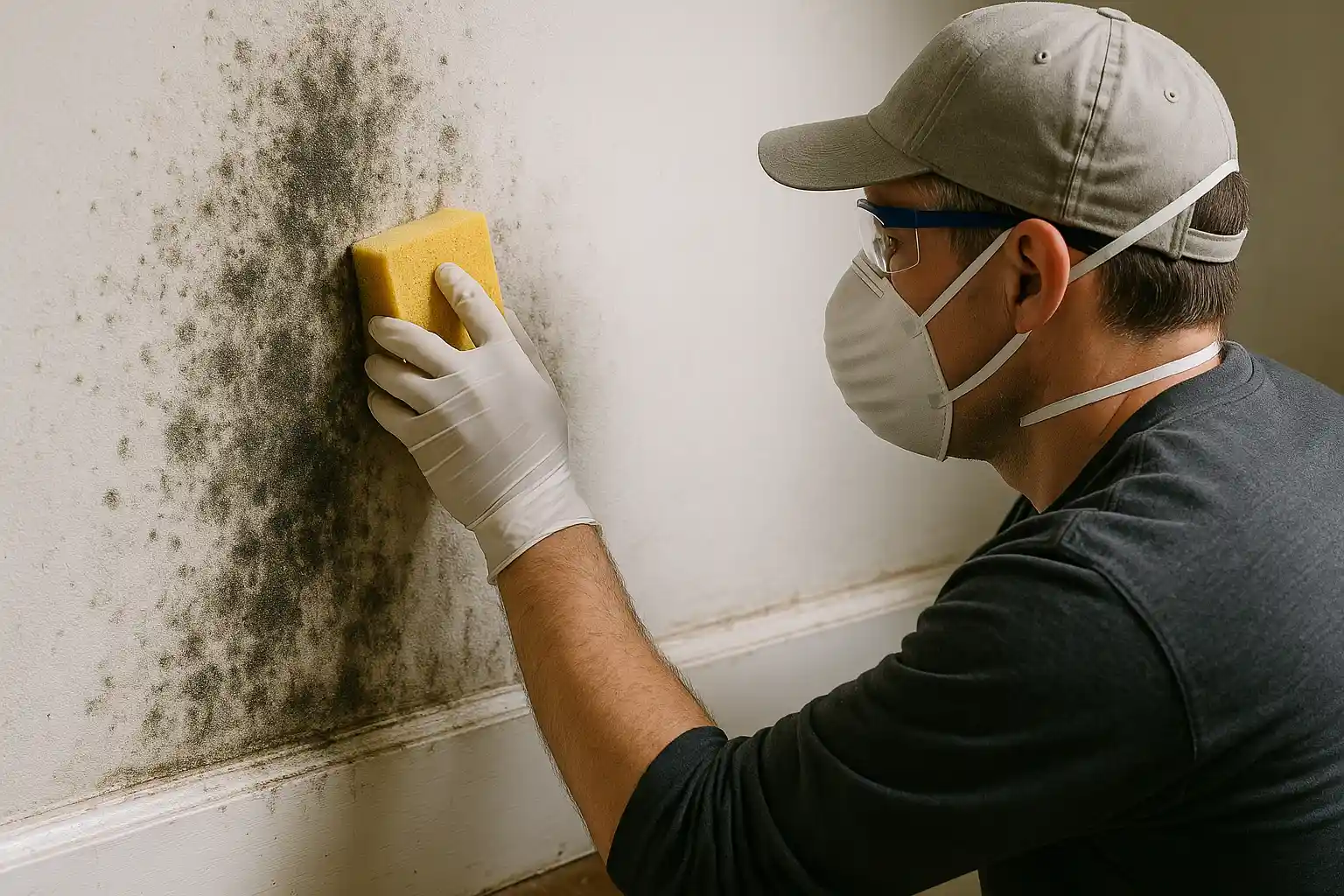
– Protective Gear: Always wear appropriate protective clothing, such as gloves and masks, to protect against harmful pathogens.
– Cleaning Supplies: Keep a stock of effective cleaning agents designed to safely neutralize sewage spills.
– Ventilation: Ensure the area is well-ventilated to reduce odors and eliminate airborne bacteria.
Regular inspections of plumbing systems can also help in identifying potential issues early on, reducing the chance of an unexpected mishap.
Hiring a Professional Commercial Restoration Company
Relying on a professional commercial restoration company can make a significant difference in managing sewage cleanup efficiently and safely. Experts have the training and equipment to tackle these situations effectively, ensuring the restaurant complies with health regulations.
Here’s what you can expect from a commercial restoration company:
– Thorough Assessment: Professionals begin with a detailed evaluation of the situation, identifying the source of the problem and developing an appropriate response.
– Expert Cleanup: Trained teams use specialized equipment to thoroughly clean and sanitize affected areas, reducing health risks.
– Compliance Assurance: Restorers understand all relevant health department regulations and can ensure that your establishment meets them, preventing potential fines and shutdowns.
Choosing expert help alleviates stress and provides peace of mind, knowing the cleanup is handled by trained professionals.
Preventative Measures and Long-Term Maintenance
Preventing sewage issues requires a proactive approach, focusing on both immediate measures and long-term strategies. Regular plumbing inspections are a critical part of this. By working with a qualified plumber, you can identify leaks or blockages before they become larger problems.
Employee training is also a key component. Educating staff on how to recognize early warning signs of sewage problems can prevent more serious issues from developing. Consider these tips for regular training:
– Update staff regularly on changes in procedures and safety protocols.
– Conduct training sessions on the use of cleaning equipment and protective gear.
– Create a clear communication channel for reporting issues as they arise.
In addition, developing a long-term maintenance schedule that includes routine inspections and cleaning can keep your restaurant’s sewage system running smoothly. This ensures a safe, hygienic environment for both staff and guests.
Maintaining a Safe Dining Environment
Navigating the challenges of sewage management in a restaurant may seem daunting, but with the right practices in place, it becomes manageable. Cleanliness and compliance with health regulations are not just requirements but also commitments to your customers’ safety. By taking immediate action, partnering with professionals, and preventing future issues, restaurants can ensure a safe and pleasant dining experience for all who walk through their doors.
For restaurant owners in Vancouver, Washington, keeping your space clean and safe for both guests and staff is a top priority. When dealing with sewage problems or related issues, working with a trusted commercial restoration company can help you stay compliant and avoid disruptions. DryWorx Water Damage Restoration is ready to respond quickly and handle the mess so you can get back to focusing on your restaurant.