Summer should be a time for outdoor barbecues, beach days, and open windows. But for many homeowners in Vancouver, the warmer months can bring a less obvious problem—poor indoor air quality.
As temperatures rise, so does the humidity, creating the perfect breeding ground for mold and other allergens. If you’re noticing damp smells, stuffy rooms, or just feeling a little off when you’re indoors, it might be time to take a closer look at what you’re breathing in.
While air quality inside your home might not be the first thing on your summer to-do list, it deserves attention. Mold spores love warm, damp air and can take hold quickly in the right conditions.
When airflow is poor and moisture builds up, mold doesn’t just stay hidden in your attic or crawlspace. It can quietly spread through walls, furniture, and your HVAC system. Staying ahead of these issues starts with understanding what’s going on inside your home when the weather outside heats up.
How Summer Conditions Affect Indoor Air Quality
In the Vancouver area, summer weather usually comes with warmer temperatures and a jump in humidity. While this helps everything outside look green and healthy, that extra moisture can be a problem inside your home. Higher humidity means more water vapor hanging around in the air, and that invites mold, mildew, and dust mites to settle in comfortably.
Poor indoor air quality during the summer can happen just from daily living. Cooking, showering, and even breathing all release moisture. Combine that with windows that stay closed to keep the AC running and it’s easy to see how things can get stale fast.
Here are a few common contributors to worsened summer air:
1. Excess moisture from humidity sticking to walls, ceilings, and furniture
2. Dust and pollen entering through open windows and doors, then getting stuck indoors
3. Air conditioning systems recirculating the same air without proper cleaning or fresh airflow
4. Poor ventilation in bathrooms and kitchens trapping moist air inside
Homes without working exhaust fans or with outdated HVAC units are more likely to face air quality troubles when the weather changes. Mold, in particular, isn’t always visible right away. It can begin behind walls or under floors, especially if there’s a slow leak or water leftover from the spring rainy season. If indoor air feels heavy or smells musty, that’s a sign your air may be carrying more than just summer heat.
The Link Between Humidity And Mold Growth
Humidity and mold go hand-in-hand. Mold spores float around in the air all the time, but in dry conditions, they usually don’t cause problems. Add moisture, though, and mold latches onto the first damp surface it finds whether that’s your attic insulation, a patch of drywall, or even soft fabrics like curtains.
Mold doesn’t take long to spread when summer humidity levels climb. Once it starts feeding on materials like wood, drywall, or insulation, it begins breaking them down. You might not notice it right away unless you’re actively looking. Still, there are signs you can keep an eye out for during the warmer months:
1. A musty or earthy smell coming from rooms that don’t get much airflow
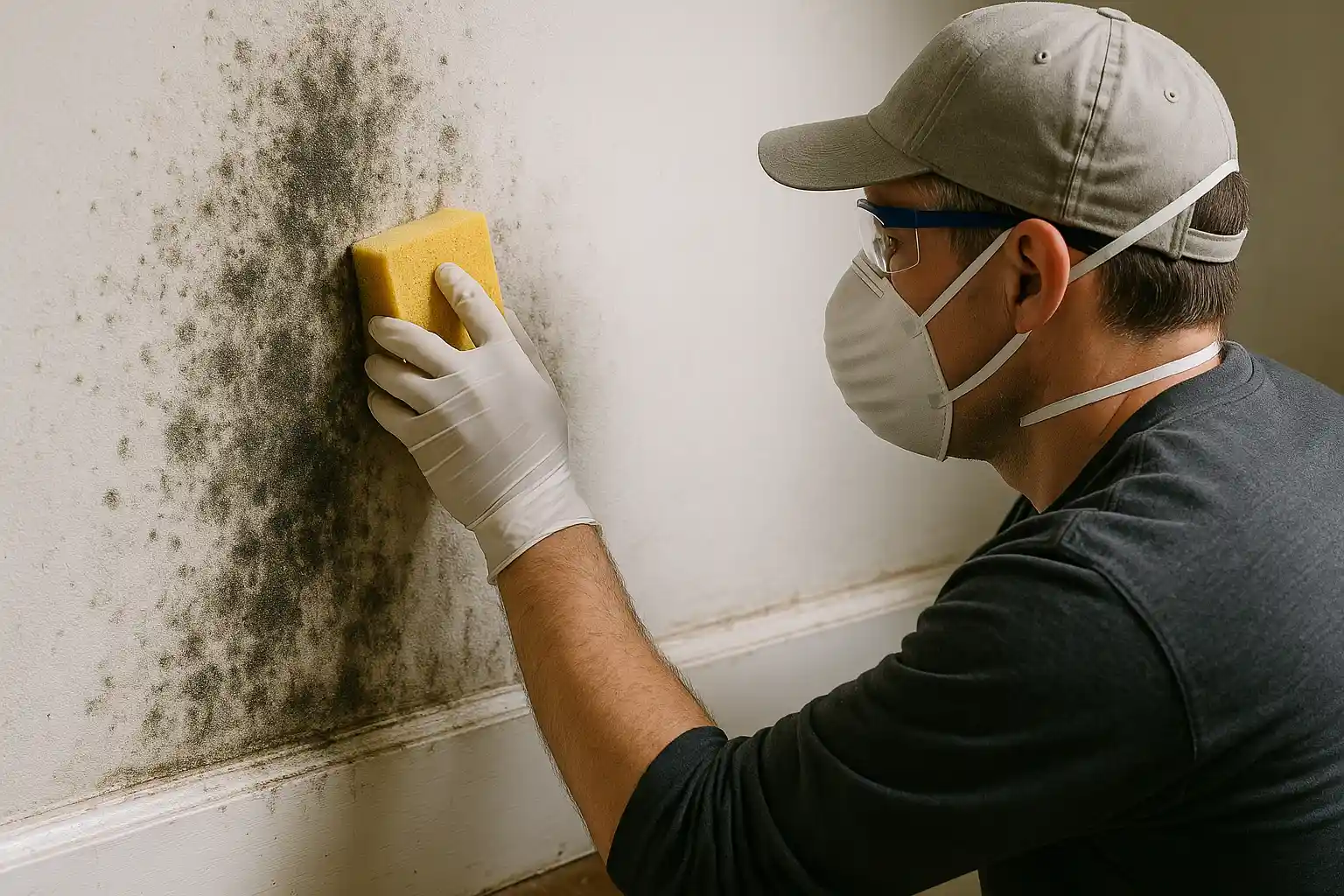
2. Fuzzy or discolored spots on ceilings, walls, or behind furniture
3. Feeling stuffy or waking up with allergy-like symptoms even though windows are closed
If the air feels heavy or damp in certain areas like basements, closets, or around windows, that’s a red flag. Mold can grow in places you don’t regularly see, but it’ll still affect the air you breathe. Catching it early makes a big difference in how much cleanup has to be done.
Mold isn’t picky about where it grows. All it needs is moisture, warmth, and organic material to feed on. Summer in Vancouver provides the perfect blend of these ingredients. When humidity spikes and ventilation falters, mold moves in fast and can damage more than just your air quality.
Preventing Mold Growth During Summer
If you’re aiming to keep mold at bay during summer’s humid wave, a few simple steps can go a long way. Start by addressing your home’s humidity levels. A dehumidifier can be a game-changer for spaces like basements where dampness tends to linger. Keeping indoor humidity below 50 percent makes a noticeable difference in how comfortable your home feels and can halt mold before it even starts thinking about moving in.
Regular inspections are another key move. Summer humidity can make hidden leaks worse over time, so catching them early saves a bunch of trouble down the line. Check tucked-away spots like under sinks and around the boiler for any mystery moisture. Keeping an eye out lets you fix small issues before they morph into big mold problems.
Airflow matters, too. Stuffy, stagnant air just asks for trouble with spores. Be sure your vents aren’t blocked by furniture or other obstacles. Opening windows for cross-ventilation on cooler days keeps air fresh and helps you avoid a musty vibe. Keeping your AC unit well-maintained and filters clean also makes a huge difference. Swap those filters out regularly. It’s a small task that keeps the air crisp. Simple actions today mean less hassle and better air tomorrow.
Professional Mold Remediation In Vancouver
When home remedies don’t tame the mold beast or if it’s taken over more than a small space, it might be time to call in the cavalry. Professional mold remediation brings with it peace of mind. Experts have access to the right tools and techniques to handle not just visible mold, but also what’s brewing behind the scenes or in the air itself.
Professionally trained teams can pinpoint where moisture’s sneaking in and how deeply mold has infiltrated your home. They can tackle the job efficiently, using industry-standard equipment to clear out mold and get your space back to being safe and comfortable.
Understanding the ins and outs of mold remediation means laying out the problem clearly and offering proof post-cleanup. Certified experts provide thorough assessments and remediation strategies tailored for each situation. Their approach not only treats the affected areas but helps prevent mold from staging a comeback.
DryWorx Water Damage Restoration offers professional mold remediation in Vancouver with a commitment to quality and safety. Our crews inspect your space, identify moisture sources, safely remove contaminated materials, and implement preventative steps to stop future growth. It’s about more than cleanup—it’s about protecting your home and health long-term.
How to Keep Your Home Mold-Free and Air Fresh This Summer
Keeping indoor air fresh and mold-free during the summer isn’t just something homeowners check off a list. It builds a healthier space to live, unwind, and breathe easy. Daily habits like managing moisture, improving ventilation, and looking out for warning signs make a noticeable impact.
Take a few minutes every week for check-ins. Give your AC filter a look, peek under sinks, walk around the basement, and check corners you often overlook. Not everything that matters is where you expect it. These little habits lower the risk of serious mold issues sneaking up on you.
Summer in Vancouver can bring both sunshine and sneaky challenges. But with a smart approach and the right support, your home can stay dry, cool, and comfortable no matter how high the humidity climbs. When in doubt, reach out to professionals who are trained to handle the signs you might miss and deliver lasting results.
For a mold-free and healthy home environment this summer, choose expert care you can rely on. Contact DryWorx Water Damage Restoration for comprehensive mold remediation services that target every corner and crevice. Our professional team is dedicated to ensuring your home stays dry and comfortable by addressing mold issues before they become larger problems. Don’t let mold take over your summer—get in touch today for a cleaner, fresher living space.