Summer in Vancouver, Washington can be beautiful, but it also comes with something most homeowners don’t look forward to: frequent rain. While it might seem like a refreshing break from the heat, those heavy summer showers have a sneaky way of causing damage inside your home. You might not notice the effects right away, but as moisture settles into walls, floors, and insulation, the problems can build up fast.
Water damage caused by summer storms often starts small, but without action, it can damage your home’s structure and lead to even bigger issues like mold. Whether you’ve got a leaky window or water pooling in the basement, tackling the issue early can make a huge difference. If you live in Vancouver and you’ve already had summer rain soaking into parts of your home, now’s the time to figure out where it’s coming from and how to stop it before it gets worse.
How Summer Rain Can Lead To Indoor Water Damage
Even a short rainstorm can cause water to sneak into your house when certain parts of your home aren’t properly sealed or maintained. Summer rain doesn’t need to be extreme to be damaging. All it takes is steady rain and a weak spot in your home’s exterior.
Here’s where rain tends to find its way inside:
– Cracked roofing or missing shingles let water sink into the attic
– Poorly sealed window frames allow water to run straight into walls
– Blocked gutters push rainwater over the edge and down into siding
– Soil around the foundation becomes saturated, soaking through basement walls
– Crawl spaces without vapor protection trap moisture and lead to long-term damage
One common example: A homeowner in Vancouver notices a small wet spot in the ceiling after several summer downpours. It turns out a vent pipe on the roof wasn’t sealed properly, and water had been leaking around it each time it rained. Over time, the drywall weakened, paint bubbled, and mold began to grow within the ceiling cavity.
Areas in your home that are especially prone to this kind of damage include basements, window sills, roofs, and patio doors. These spots often collect water before you realize there’s an issue. And during summer months when the soil around your foundation is already soft from rain, water can seep through cracks and create problems out of plain view.
Signs Of Water Damage In Your Home
Catching water damage early can save you from pricey repairs later on. To do that, you’ll want to know what signs to look for. Some are easy to spot while others are more hidden.
Here are a few signs that usually mean water is getting into your home:
1. Peeling paint or bubbling wallpaper
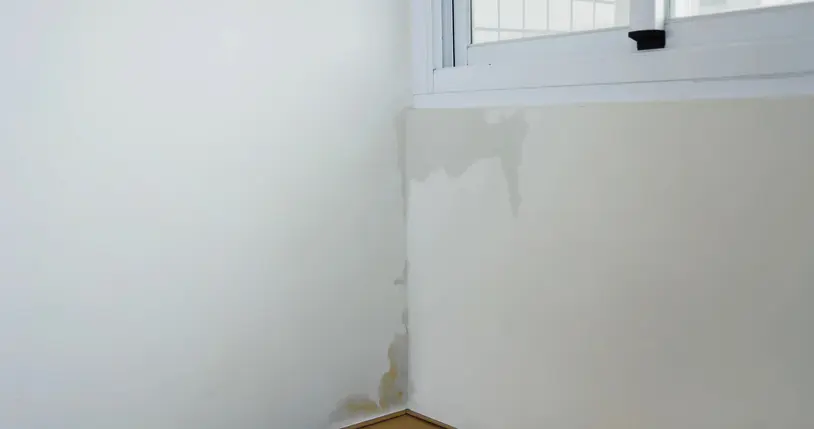
2. Water stains on ceilings or walls shaped like rings or streaks
3. A musty smell that doesn’t go away with cleaning
4. Warped or buckled floors
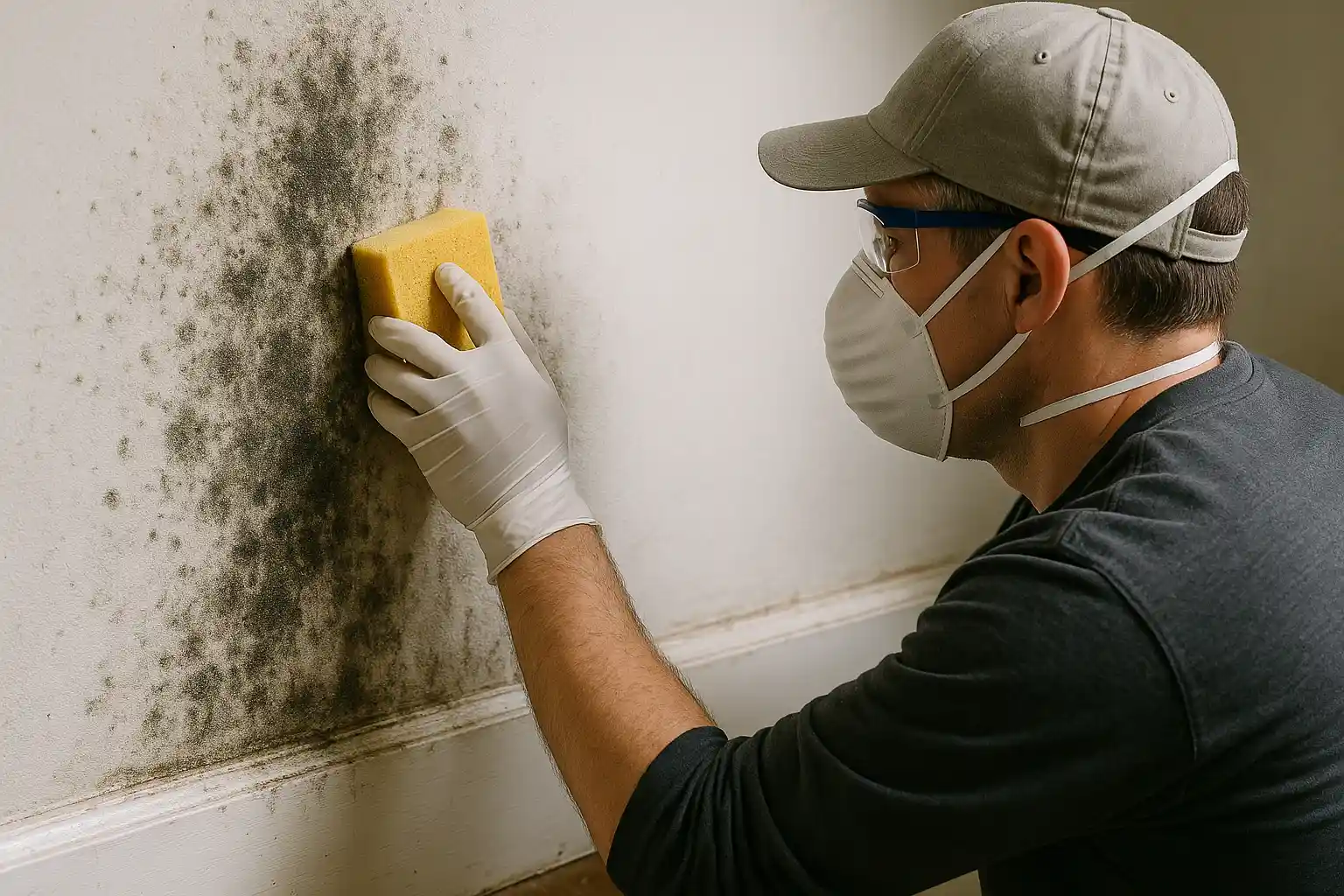
5. Mold growing in corners, on baseboards, or around windows
Some signs aren’t visible but can still tell you something’s wrong. Increased humidity in certain rooms or a sudden rise in your energy bill because your AC is working overtime to fight dampness may also signal unseen moisture.
To stay ahead of indoor water damage, do a quick monthly check around your home. Look behind furniture, under sinks, and along walls in the basement. If you spot something that doesn’t feel right, like soft drywall, discolored spots, or even just a damp smell, it’s worth getting it looked at. Waiting too long can turn a simple fix into a bigger deal. If you’re ever unsure, bringing in a professional to assess the damage is always the smarter and safer choice.
Preventing Water Damage During Summer Rain
Taking precautions is your best bet to keep water damage at bay, especially during those rainy summer months. Start with your gutters and downspouts. They need to be clear of leaves and debris so rainwater can flow freely and not spill over to your home’s exterior walls. Blocked gutters can overflow and direct water where you don’t want it, such as into tiny cracks or the ground by your foundation.
Waterproofing your basement and crawl spaces is a wise choice, too. Applying a water sealant to your basement walls and floors can help. If these areas are prone to dampness, installing a sump pump can significantly reduce the risk by moving unwanted water away from your home’s foundations.
Routine home maintenance plays a big role in preventing leaks. Inspect the seals around your home’s doors and windows regularly. Small gaps here can be quick entry points for driven rain. Make sure any cracks in siding are repaired promptly. It’s also smart to confirm that ventilation in attics and crawl spaces is adequate to prevent moisture buildup.
A quick checklist for home protection:
1. Clean gutters and ensure downspouts direct water away from the house
2. Seal cracks in exterior walls and around windows
3. Use water-resistant sealants on vulnerable areas
4. Inspect roof shingles and replace any that are worn or missing
5. Confirm that basement and crawl spaces are properly ventilated
Professional Water Damage Repair Services
Sometimes, even with the best prevention, water damage can sneak in. Knowing when to bring in a professional can save you from future headaches. If you spot persistent dampness, staining, or if mold begins to spread despite your efforts, it’s likely time to call in experts for help.
Professional services don’t just focus on water removal. They also assess the full extent of the damage and restore your home to a safe state. These experts can pinpoint problem areas that might be overlooked, ensuring that your home is thoroughly dried and repaired.
For homeowners in Vancouver, reaching out to a local team for water damage repair means timely help and experienced service. Local pros know the weather patterns and house styles specific to the area and can offer solutions that match the climate and building design.
These services often include moisture mapping, drying with industrial-grade equipment, mold treatment, and rebuilding affected areas. Addressing problems completely is the key to avoiding future repairs, extra costs, and health risks down the road.
Keeping Your Home Safe From Water Damage This Summer
No one wants to deal with soggy drywall or the musty smell of hidden mold during summer. That’s why a little planning and regular home maintenance go a long way. Start by checking the most common trouble spots and keep an eye out for warning signs so you can act fast.
If summer storms have already brought moisture into parts of your home, it’s time to move quickly. Managing the problem early protects your home’s structure and keeps mold from spreading. Know when to rely on professional help and trust that a trained set of eyes can help track down problems you may not see.
A dry and comfortable home during summer is fully possible with the right steps. Property owners in Vancouver have options to prevent and fix water issues, and it all starts with awareness and action.
Protecting your home from summer rain requires early action and expert care. If you notice any signs of water damage or suspect moisture has sneaked into your home, turn to DryWorx Water Damage Restoration. Our dedicated team provides reliable water damage repair in Vancouver, WA, to help restore your home and prevent future issues. Don’t wait until the damages worsen—contact us today for peace of mind.