Water damage can upend lives overnight—whether from a sudden pipe burst, a creeping sewage backup, or relentless rainwater and flooding. For homeowners and businesses in Vancouver, WA, understanding the full spectrum of water intrusion events covered under professional restoration services is crucial. This guide explores the varieties of water damage, the restoration process, cost considerations, and key prevention strategies. It also highlights how DryWorx Restoration delivers comprehensive solutions tailored to every scenario.
Understanding Water Damage Categories
Restoration specialists classify water damage into three main categories based on contamination levels and health risks. Recognizing these distinctions shapes the mitigation approach and safety protocols required.
Category 1: Clean Water Intrusion
Clean water originates from sanitary sources such as broken supply lines, overflowing sinks, or rainwater collected in gutters. While initially free of contaminants, standing water fosters mold and microbial growth within 24–48 hours, elevating health concerns. Swift action—employing water extractors and air movers—is essential to preserve structural materials and avoid secondary damage.
Category 2: Grey Water Contamination
Grey water carries moderate contamination and may pose health risks if ingested. Common sources include appliance overflows (washing machines, dishwashers), toilet bowls without fecal matter, and sump pump failures. Grey water contains detergents, rust, and organic materials. Technicians use moisture meters and specialized detergents to cleanse affected zones and sanitize structural cavities.
Category 3: Black Water Hazards
Black water represents the highest contamination level, encompassing sewage backup, floodwaters, and any water harboring pathogens. Sewage backup often traces to clogged sewer lines or municipal system overload during heavy storms. Restoration teams must don personal protective equipment, establish containment barriers, and remove all porous materials like drywall and insulation. Advanced disinfection and odor-control protocols then restore safety.
Common Causes of Water Damage
While water damage incidents vary widely, several risk factors recur in Vancouver’s temperate climate, marked by wet winters and aging infrastructure.
Burst Pipes Damage
Freezing temperatures and corrosion can cause copper or PVC pipes to rupture unexpectedly. A burst within walls may go unnoticed until significant pooling appears on floors or ceilings sag under moisture weight. Timely leak detection—using thermal imaging cameras and acoustic listening devices—minimizes collateral damage.
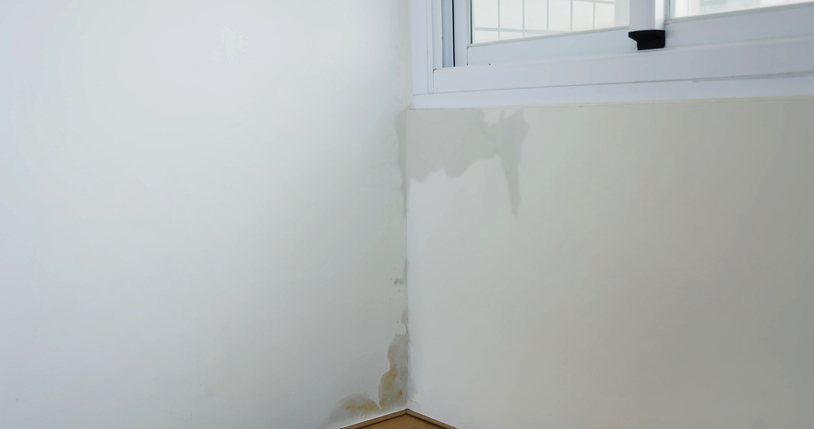
Burst pipes damage often mandates immediate intervention, combining structural dry-out, mold remediation, and targeted repairs. When hidden water damage signs like paint blistering or musty odors appear, professionals deploy thermal imaging to pinpoint concealed leaks.
Sewage Backup
Sewer main backups introduce black water into basements, utility rooms, or low-lying fixtures. Such events not only compromise structural elements but also pose severe health hazards. Restoration involves full sewage extraction, material disposal, and application of EPA-registered antimicrobial treatments. Post-cleanup, technicians advise installing backwater valves to prevent recurrence.
Rainwater and Flooding
Intense storms or overwhelmed storm sewers can drive rainwater into crawlspaces and foundations. In coastal regions like Vancouver, WA, back-to-back storms escalate flood risks. Dehumidification and structural drying prevent foundation cracks, while drainage solutions—such as sump pumps and grading adjustments—improve long-term resilience.
Assessing and Detecting Damage
Accurate assessment underpins effective restoration. Certified professionals from IICRC-accredited firms employ sophisticated tools and techniques to gauge moisture content inside walls, floors, and roofing assemblies.
- Thermal Imaging Cameras reveal temperature differentials caused by moisture.
- Moisture Meters quantify water saturation in porous materials.
- Hygrometers track ambient humidity, guiding dehumidifier placement.
- Borescope Inspection checks for hidden leak sources behind structural components.
Through a methodical inspection and documented moisture mapping, restoration teams determine the appropriate combination of water extraction, drying equipment, and structural repairs.
The Water Damage Restoration Process
Every restoration project follows a multi-step protocol designed to restore properties efficiently while safeguarding health and structural integrity.
1. Emergency Response & Board-Up
Upon arrival, technicians secure the premises by shutting off water sources and electricity to affected areas. If windows or roof sections are compromised, temporary board-up measures prevent further exposure.
2. Water Extraction & Removal
High-capacity pumps and truck-mounted extractors remove standing water. Crevice tools and weighted extractors target moisture trapped in carpeting and upholstery. Quick extraction reduces drying time and mold proliferation risk.
3. Drying & Dehumidification
Commercial-grade dehumidifiers and air movers create optimal airflow and humidity control. By circulating warm air across wet surfaces, these machines expedite evaporation. Ongoing moisture readings ensure targeted drying—and prevent over-drying that can warp wood.
4. Cleaning & Sanitization
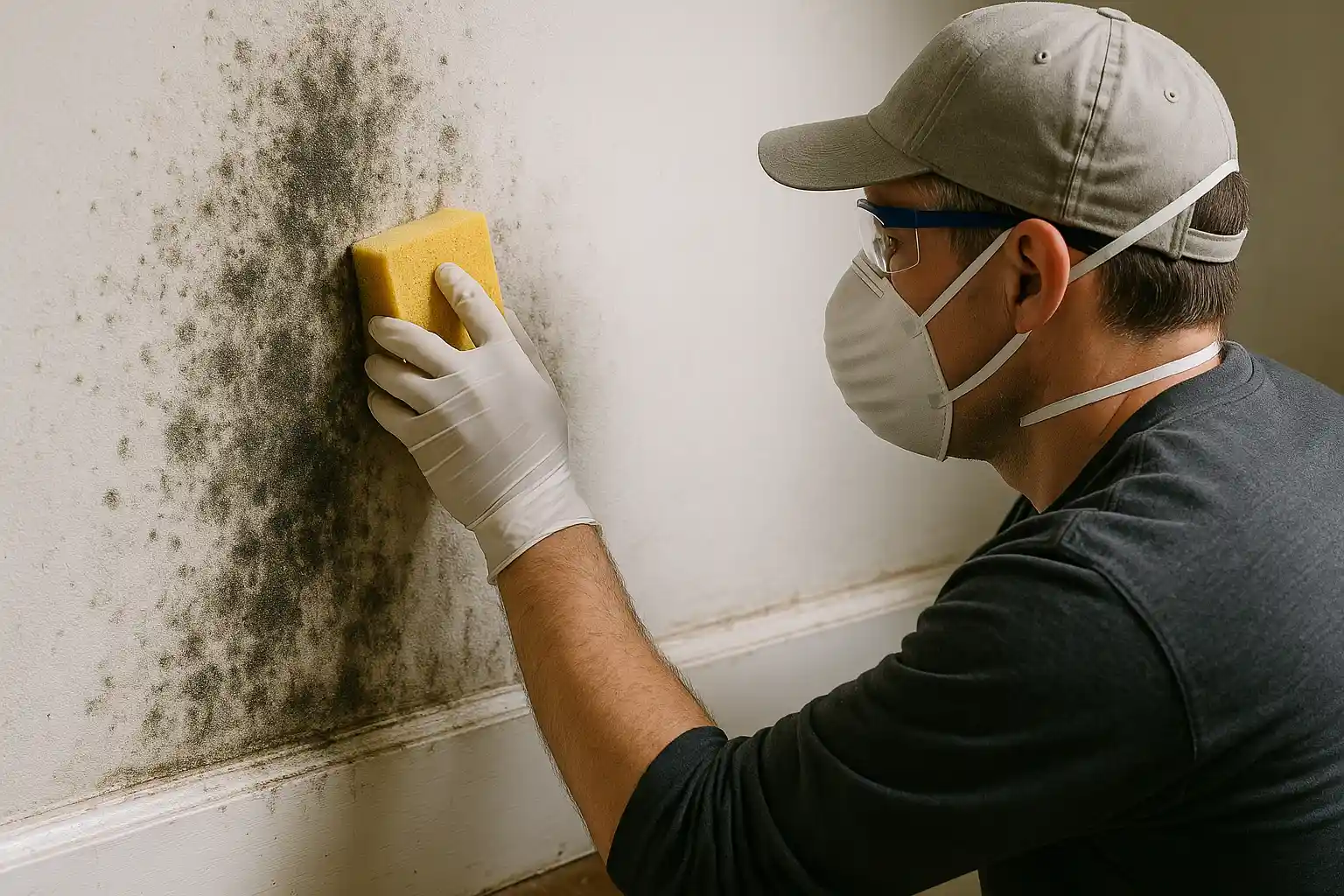
After structural elements are dry, teams clean and disinfect with EPA-approved antimicrobial solutions. Surfaces are scrubbed, and porous materials like carpeting may be shampooed or replaced. Odor-neutralizing treatments eliminate lingering smells from sewage backups or stagnation.
5. Restoration & Repairs
The final stage involves repairing drywall, reinstalling baseboards, replacing insulation, and applying finishes. Licensed contractors handle any plumbing, electrical, or carpentry work required to return the property to pre-loss condition.
In each phase, detailed project documentation supports seamless insurance coordination and ensures adherence to industry best practices.
Types of Water Damage Covered
Homeowners and businesses often ask which incidents fall under professional coverage. Restoration services typically address:
- Burst pipe emergencies—whether in interior walls or under slabs.
- Sewage backup extraction and complete decontamination.
- Flood response following rainwater intrusion or natural flooding events.
- Ceiling and roof leaks from storm damage or wind-driven rain.
- Appliance failures, including water heater ruptures and washing machine overflows.
- Clogged drains leading to slow-moving grey water.
- Hidden water damage signs such as warped flooring, peeling paint, or musty odors.
- Crawl space and attic water accumulation due to HVAC pan overflows or condensation.
By covering all sources—from clean water leaks to black water emergencies—qualified restoration teams ensure comprehensive protection against every form of water intrusion.
Clients seeking tailored solutions often consult our detailed page on water damage restoration Vancouver Wa.
Cost Factors in Restoration
Customers frequently inquire about pricing dynamics. The total cost depends on:
- Category of Water: Black water emergencies require extensive removal and disinfection, increasing expense.
- Square Footage Affected: Larger areas drive more equipment hours and labor.
- Structural Complexity: Vaulted ceilings, multiple stories, or intricate finishes require extra care.
- Duration of Exposure: Extended downtimes elevate mold remediation needs.
- Material Replacement: Carpeting, drywall, or cabinetry disposal adds to costs.
- Accessibility: Tight crawlspaces or roof repairs raise labor intensity.
Below is a simplified comparison of average costs by damage category:
| Damage Category | Typical Cost Range | Key Services Included |
| Clean Water Leak | $1,200 – $3,000 | Extraction, drying, minor repairs |
| Grey Water Event | $2,500 – $6,000 | Extraction, sanitization, selective replacement |
| Black Water Loss | $5,000 – $15,000+ | Sewage removal, full decontamination, rebuild |
Exact figures vary based on site-specific conditions and insurer guidelines.
A detailed breakdown is available on our Water Damage Restoration Cost Vancouver WA page.
Insurance Coverage and Claims Assistance
Most homeowners’ insurance policies cover sudden, accidental water damage—such as burst pipes or storm-driven flooding. Coverage typically excludes long-term seepage or lack-of-maintenance issues. Restoration providers with insurance expertise:
- Provide line-item estimates compatible with Xactimate.
- Document damage through photos, moisture readings, and work logs.
- Submit claims and negotiate with adjusters on behalf of the insured.
- Issue Schedule A and B reports for engineering-level projects.
Early engagement with professionals ensures that all qualifying expenses—such as content cleaning, mold prevention, and structural drying—are properly invoiced and covered.
Preventing Future Water Damage
After restoration, clients often seek strategies to reduce recurrence. Recommended preventive measures include:
- Regular Plumbing Inspections: Annual checkups detect corrosion or pinhole leaks before they escalate.
- Backwater Valve Installation: Prevents sewage backup during municipal system overloads.
- Sump Pump Maintenance: Ensures basement flood protection remains operational.
- Gutter and Downspout Cleaning: Directs rainwater away from foundations to avoid hydrostatic pressure.
- Moisture Barrier Installation: Protects crawl spaces and basements from ground moisture.
- Smart Leak Detectors: Provide real-time alerts for sudden pressure drops or continuous flow.
By combining these tactics with seasonal maintenance, property owners safeguard their investments and minimize costly restorations.
Why Choose DryWorx Restoration?
DryWorx Restoration brings over a decade of IICRC-certified expertise to every project in Vancouver, WA. Key differentiators include:
- 24/7 emergency response with rapid deployment of water extraction teams.
- Advanced equipment, including thermal imaging cameras, moisture meters, and HEPA air scrubbers.
- In-house project managers who streamline claim submission and approvals.
- EPA-registered antimicrobial applications for complete mold and odor control.
- Licensed plumbers, electricians, and general contractors for seamless rebuild services.
- Transparent pricing models with detailed estimates and no hidden fees.
Since its inception, DryWorx Restoration has served hundreds of satisfied clients through every phase of water damage response—from immediate extraction to final repairs.
To explore step-by-step protocols, visit our Water Damage Restoration Process Vancouver WA section.
Integrating Semantic Entities Naturally
Throughout this guide, key entities such as mold remediation, structural drying, content cleaning, flood damage repair, and sewage cleanup have been woven into the narrative. Mention of specialized equipment—dehumidifiers, air movers, sump pumps, and thermal imaging—highlights the technological precision underpinning successful restorations. Insurance claim assistance, IICRC certification, and emergency board-up services underscore the comprehensive scope offered by professional water damage restoration firms.
Equipment and Their Roles
| Equipment | Function |
| High-Capacity Pumps | Remove standing water rapidly |
| Air Movers | Accelerate surface drying |
| Dehumidifiers | Control ambient moisture levels |
| Thermal Imaging Camera | Detect hidden moisture pockets |
| Moisture Meters | Quantify water saturation in building materials |
| HEPA Air Scrubbers | Filter airborne mold spores and particulates |
| Truck-Mounted Extractors | Efficient extraction from large areas |
Frequently Asked Questions
1. What types of incidents qualify for water damage restoration services?
Restoration services cover clean water leaks, grey water appliance overflows, and black water events like sewage backups or flood inundation. Each scenario triggers tailored mitigation to address contamination levels and structural impact.
2. How quickly should water damage restoration begin?
Ideally, water extraction begins within four hours of notification to limit mold growth, structural decay, and secondary damage. Rapid response teams are available 24/7 for immediate intervention.
3. Will homeowners’ insurance cover sewage backups?
Many standard policies exclude sewage cleanup unless you purchase specific endorsements. A knowledgeable restoration provider helps assess coverage options and may recommend a separate sewer backup rider.
4. Can homeowners handle water damage cleanup themselves?
While minor spills and surface drying can be DIY, professional mitigation is recommended for any incident beyond superficial wetting. Certified technicians possess training to address contamination, hidden moisture, and structural repairs safely.
5. How long does the full restoration process take?
Timeline varies by damage severity and square footage. A clean water leak may resolve within 2–4 days, while black water events with reconstruction can span 2–3 weeks or more. Detailed scheduling is provided during the initial assessment.
Taking the Next Step
Facing water damage can feel overwhelming, yet swift professional action transforms disaster into restored peace of mind. Whether the challenge stems from rainwater and flooding, a hidden burst pipes damage, or a severe sewage backup, DryWorx Restoration stands ready to deliver thorough, IICRC-certified services. From initial water extraction to final drywall repairs and mold prevention, every phase emphasizes safety, quality, and efficiency.
Homeowners should Contact us whenever water threatens property value or occupant health. Our team will mobilize advanced drying systems, deploy containment protocols, and navigate insurance complexities—ensuring a smooth path from damage to recovery.
For comprehensive expertise in water damage solutions, trust DryWorx Restoration to protect your Vancouver, WA property and return it to its pre-loss condition.
Post Tags: