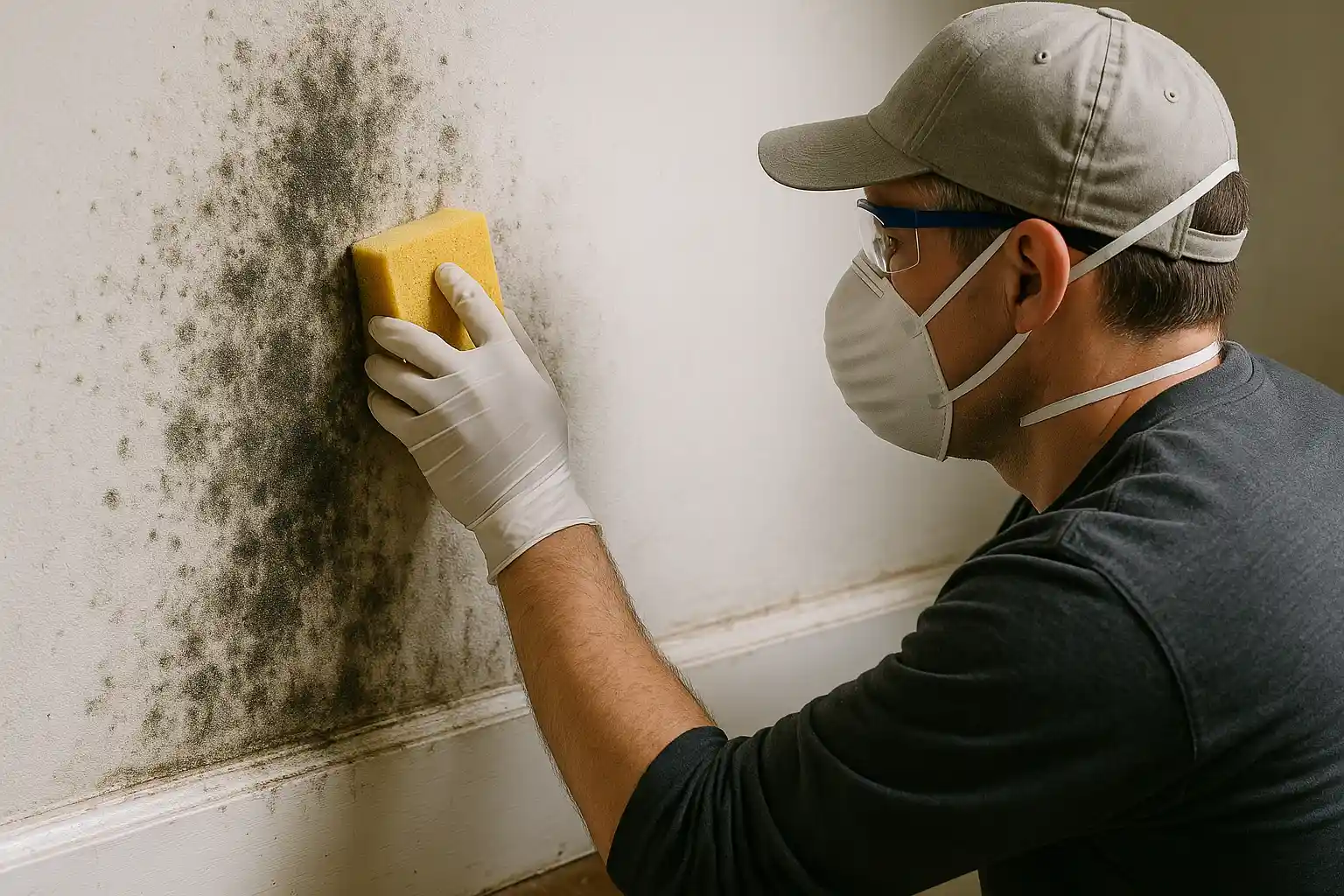
Mold lurking behind your kitchen cabinets might seem like a small problem, but it can quickly escalate into a major issue. It’s more than just unsightly; mold can pose serious health risks and damage your property if left unchecked. This hidden threat is particularly concerning in places like Vancouver, Washington, where damp conditions can create an ideal environment for mold growth. Regularly testing for mold behind your kitchen cabinets not only keeps your home safe but also protects your investment.
When you have mold hiding in unseen spots, it might cause sneezing, coughing, or other unwanted health effects. That’s why it’s crucial for homeowners to keep an eye out for signs of mold and take action at the first hint. Addressing mold issues promptly and efficiently ensures your home remains a comfortable and safe place for your family.
Identifying Signs of Mold Behind Kitchen Cabinets
Spotting mold early is key to preventing it from spreading. Here are some signs that mold might be making itself at home behind your kitchen cabinets:
– Visual Indicators: Take a good look at your cabinets. If you notice any discoloration, black spots, or staining, it might be a sign of mold. These unsightly patches often appear where moisture builds up, such as under the sink or around leaky pipes.
– Musty Odors: A persistent, unpleasant smell could give away mold’s presence. If your kitchen smells musty even when it’s clean, mold might be hiding behind your cabinets.
– Warped or Damaged Wood: If the cabinet wood appears warped or looks like it’s deteriorating for no obvious reason, mold might be the culprit. This type of damage is often a result of prolonged exposure to moisture, providing mold with the perfect place to thrive.
Recognizing these signs early on can help prevent bigger problems down the road. If you suspect mold, it’s important to investigate further. With the right approach, you can identify and address the issue before it evolves into a larger—and more costly—problem.
Steps to Test for Mold
When you’re ready to test for mold behind your kitchen cabinets, some preparation is key. The right tools help ensure accuracy and safety throughout the process. Here’s a handy list of what you’ll need:
1. Protective Gear: Gloves, safety goggles, and a mask to protect yourself from airborne spores.
2. Flashlight: To see clearly in the dark or hidden spaces behind your cabinets.
3. Mold Test Kits: Available at most home improvement stores, these kits help confirm the presence of mold.
Now that you’re equipped, it’s time to do some inspecting. Begin by carefully removing the cabinet doors. Use the flashlight to shine into the corners and any gaps around pipes. Check for any unusual spots or discoloration that might indicate mold’s presence. After visually inspecting, utilize the mold test kits following the manufacturer’s instructions. These kits may involve swabbing surfaces or taking air samples for lab analysis. Accurate results depend on careful handling and following directions step by step.
Professional Mold Inspection and Testing
While DIY testing can be helpful, hiring a professional comes with several advantages. They possess the expertise to conduct a thorough inspection, ensuring no mold is left unnoticed. Professionals also provide accurate test results, which are crucial for understanding the extent of the problem. For those living in Vancouver, Washington, it’s encouraging to know that local experts are familiar with the area’s environmental factors that contribute to mold growth.
Moreover, professionals use specialized tools and safety equipment that make the process more efficient and safer for your home. They can navigate tricky areas that might be hard to reach on your own. Finding a trustworthy service involves checking online reviews, asking for referrals, and ensuring the company is certified in mold inspection and remediation.
Preventing Mold Growth Behind Kitchen Cabinets
Prevention is the best strategy against mold intrusion. Addressing moisture issues is a smart first step. Fix any leaks under the sink or around appliances promptly. Ventilation is another key element, as kitchens need good airflow to keep humidity levels down. Consider installing exhaust fans or keeping windows open when possible.
Regular maintenance schedules also play a role. Inspect cabinets and surrounding areas on a routine basis to catch potential problems early. Adding mold-resistant materials during kitchen renovations can make a big difference. Opt for cabinets with finishes that repel moisture, giving mold fewer opportunities to settle in.
By keeping these prevention tips in mind, you create a healthier kitchen environment that’s free from mold worries. Regular checks and good practices go a long way in ensuring your home remains a safe and pleasant place to cook and gather.
If you’re in Vancouver, Washington, and have concerns about hidden moisture or mold behind your kitchen cabinets, it’s a good idea to have the situation professionally evaluated. Protect your home and health by addressing the issue early with help from our team. Learn how our mold remediation services at DryWorx Water Damage Restoration can restore a clean, safe kitchen environment and give you peace of mind.