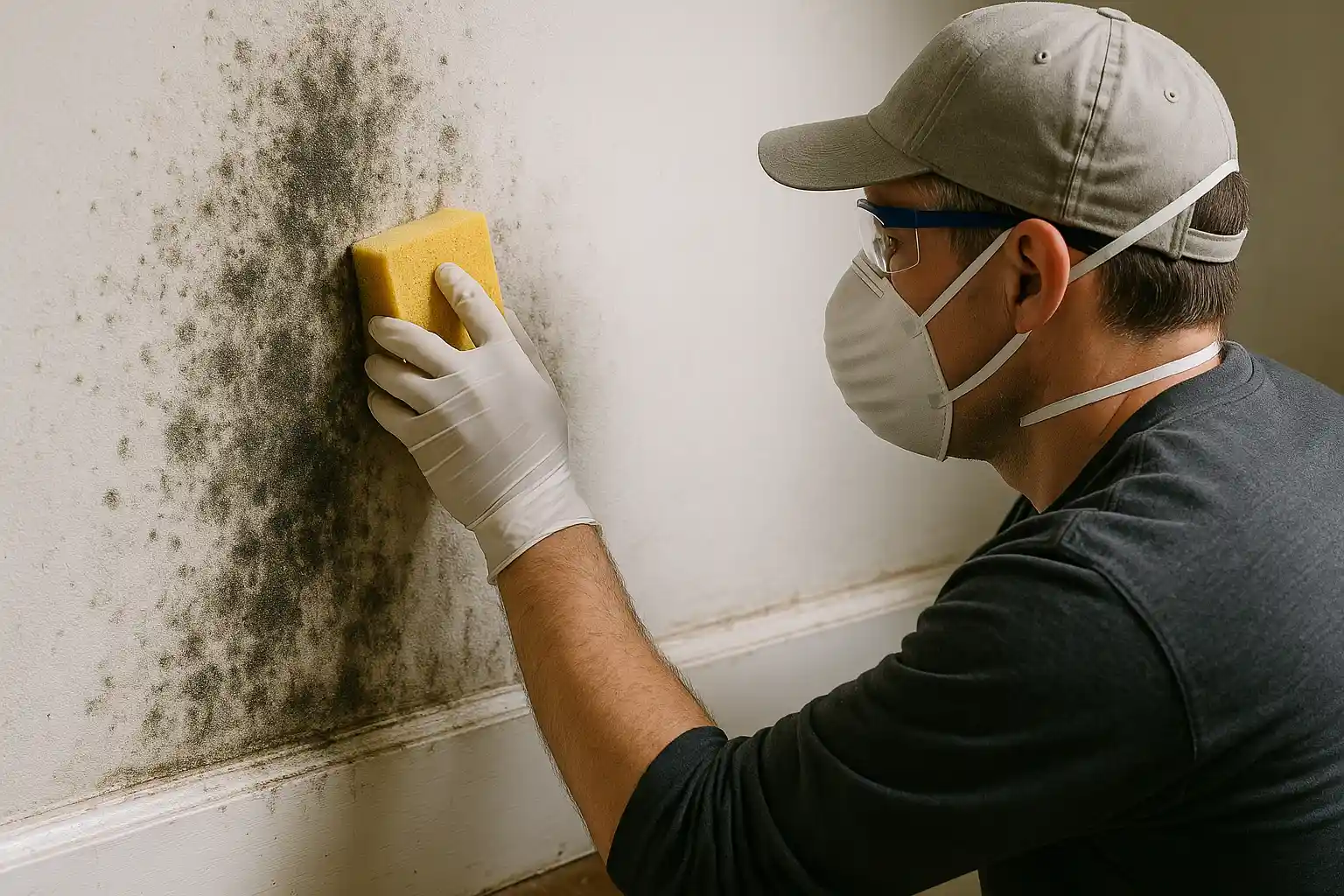
Mold is a sneaky problem that many homeowners face repeatedly, appearing in the same corner of the bathroom or that one spot in the basement. It’s not just an eyesore; mold affects your indoor air quality and can pose health risks to your family. Imagine cleaning up mold one week, only to find it popping up in the exact same spot a short time later. This frustrating cycle is a common experience for many, but understanding why mold keeps coming back can help break the pattern.
The key lies in recognizing the favorable conditions for mold growth and addressing these effectively. We will explore why mold tends to resurface and what steps you can take to tackle it. From understanding the basic stages of mold development to identifying common household spots prone to recurrence, there’s a lot to uncover. Whether it’s persistent moisture, hidden colonies, or poor ventilation, the reasons are varied, but the solutions are within reach.
Understanding Mold: The Basics
Mold is a type of fungus that thrives in damp, warm, and poorly ventilated environments. It feeds on organic materials such as wood, paper, and fabric, making homes a prime breeding ground. Picture a damp towel left crumpled in the corner of a room. Over time, it becomes a spot where mold can thrive, as the warmth and moisture create the perfect setting for mold spores to settle and grow.
Common conditions that support mold growth include:
– Moisture: Leaky pipes, condensation on windows, and humid basements all help mold colonies thrive.
– Warmth: Mold prefers temperatures between 70°F and 90°F (21°C to 32°C), which are common indoor conditions.
– Organic Material: Items like drywall, carpets, and upholstery provide food for mold to grow.
Certain areas in a home are more prone to mold recurrence due to these conditions. Bathrooms, basements, and kitchens are top culprits, often because of their constant exposure to water and steam. Even minor habits, like leaving a shower door closed, can create a humid environment that invites mold back time and again.
Common Reasons for Mold Recurrence
Dealing with mold can feel like an uphill battle, especially when it keeps returning. Several core issues often drive this persistence:
1. Insufficient Initial Cleanup
– Mold removal is more challenging than just wiping a surface clean. If the underlying cause isn’t addressed, mold spores can linger, waiting for moisture to trigger regrowth. Proper remediation means getting to the root problem and ensuring thorough cleanliness.
2. Persistent Moisture Issues
– Leaks or condensation that aren’t fixed continue to provide the moisture mold needs. Common sources include faulty plumbing, water seeping from outside, or high indoor humidity. Addressing these involves:
– Regularly checking water fixtures for signs of leaks.
– Ensuring seals around windows and doors are intact to prevent rainwater intrusion.
– Managing indoor humidity using dehumidifiers or improving airflow.
3. Poor Ventilation
– Stagnant air allows moisture to build up, exacerbating mold growth. Bathrooms and kitchens, without proper ventilation, create a humid environment. Improving ventilation with exhaust fans or simply opening windows helps reduce these conditions.
4. Hidden Mold Colonies
– Sometimes, despite thorough surface cleaning, mold grows in unseen areas like behind walls or under floors. Regular professional inspections can uncover these hidden issues, ensuring comprehensive treatment.
These factors contribute significantly to why mold reappears in familiar spots. Understanding them can help tackle mold more effectively, improving the health and safety of your home environment.
Effective Mold Prevention Strategies
Keeping mold at bay requires a proactive approach. Regular attention to cleaning and maintenance plays a vital role in preventing mold growth. Ensuring that surfaces remain clean and dry reduces the places where mold can settle. Routine inspections for signs of mold, like discoloration on walls or a musty smell, can help catch problems early before they become extensive. Cleaning hard surfaces with mold-killing solutions weekly can also act as a deterrent for mold spores.
Using mold-resistant products is another effective strategy. Today, many building materials and paints come with mold-resistant properties designed to prevent these pesky fungi from setting up home. For instance, when renovating or building, consider using drywall that’s specially made to resist moisture. Mold-resistant paints provide a protective layer on walls and surfaces, reducing the likelihood of mold growth in the first place.
Controlling indoor humidity is crucial in preventing mold. Mold loves dampness, so it’s important to keep humidity levels in check. Installing dehumidifiers in areas like basements or crawl spaces helps maintain optimal humidity. Devices that measure humidity can also be handy, allowing you to adjust settings as needed. Aiming to keep indoor humidity below 60% is recommended to discourage mold, particularly in notoriously damp areas of your home.
When to Seek Professional Help
Sometimes, despite efforts to manage mold on your own, the problem can grow beyond simple solutions. When mold issues persist despite your best efforts or appear in areas hard to reach, it might be time to call in professionals. Symptoms like chronic musty smells, visible mold regrowth after cleaning, or health issues such as unexplained respiratory problems are red flags.
Professional mold remediation services bring the expertise required to tackle mold comprehensively and safely. These services include thorough inspections to unearth any hidden colonies and ensure complete removal. Advanced tools and techniques these experts use mean they can reach places you might miss, ensuring the problem is addressed from all angles. Plus, they handle the cleanup and restoration process, protecting your home and health from further damage.
Restoring a Healthy Home Environment
Mold doesn’t have to be an ongoing issue if you take the right steps. Understanding the conditions that promote its return and employing effective prevention strategies can protect your home from future infestations. Regular inspections and maintenance, the use of modern mold-resistant materials, and controlling indoor humidity are key in keeping mold at bay.
Your home is your haven, and maintaining it in a healthy state is important for everyone’s well-being. With the proper care and professional assistance when necessary, you can enjoy a mold-free environment. Investing in preventative measures not only ensures a safer, cleaner home but also peace of mind knowing that you’re safeguarding your living space against unwanted mold visitors.
To ensure your home stays protected against recurring mold issues, it’s important to act before small problems grow. Trust DryWorx Water Damage Restoration to address the root causes with reliable mold remediation services. Safeguard your space and breathe easier with lasting solutions that make a noticeable difference.